How to Use Vapor Corrosion Inhibitors in Grill Storage Bags
You should clean and dry your grill thoroughly before sliding it into a properly sized VCI bag-snug fits guarantee maximum vapor concentration. Seal the bag tightly to trap corrosion-inhibiting vapors that actively protect metal surfaces from moisture and rust. Unlike standard covers, VCI bags form a molecular shield even in hard-to-reach areas. For best results, store your grill in a shaded, level spot, and consider adding desiccants in humid conditions. You’ll soon discover smarter ways to maintain peak performance.
Notable Insights
- Choose a VCI bag size that matches your grill dimensions for full coverage and effective vapor concentration.
- Clean and thoroughly dry the grill before storage to remove debris and prevent trapped moisture.
- Slide the grill into the VCI bag carefully, ensuring a snug fit without pinching or tearing.
- Seal the bag securely to maintain a protective microenvironment and enable uniform VCI vapor diffusion.
- Store the bagged grill in a level, shaded area, using desiccants if humidity or condensation is present.
Why Your Grill Needs VCI Storage Protection
Ever wonder why your grill-especially one made of stainless steel or cast iron-starts showing rust spots after just one season, even when stored under a cover? That’s because most standard covers only offer limited grill cover compatibility and fail to block moisture completely. Even with weatherproof storage benefits, humidity, temperature swings, and tiny air gaps let corrosion sneak in. You might think a tight-fitting cover is enough, but without active protection, metal surfaces stay at risk. Traditional storage doesn’t stop electrochemical reactions that lead to rust over time. This is where dedicated corrosion prevention matters. Passive barriers aren’t always sufficient, especially in damp or coastal climates. Upgrading your approach guarantees long-term durability and performance. Grills are a serious investment, and basic solutions often fall short. Relying solely on fabric or vinyl covers ignores the invisible threat of moisture buildup. Real protection goes beyond the surface.
How VCI Bags Prevent Rust on Grills
VCI bags tackle the hidden problem of moisture-related corrosion that standard grill covers can’t fully prevent. They work by releasing vapor corrosion inhibitors that form a protective molecular layer on metal surfaces, stopping the chemical reaction that leads to rust. You don’t just get a barrier-you get active protection inside every corner of the grill, even hard-to-reach spots. Unlike passive covers, VCI technology provides consistent moisture control, neutralizing humidity before it causes damage. This means fewer worries during damp seasons or when storing your grill long-term. It’s not just about covering-it’s about preserving performance and finish. For serious outdoor cooking enthusiasts, this is a smarter approach. The science is proven, and real-world use confirms it: grills stay cleaner, operate better, and last longer. With VCI bags, you’re investing in durability, not just convenience. It’s a practical upgrade any dedicated BBQ lover should consider.
Pick the Right VCI Bag for Your Grill Size
Size matters when it comes to effective corrosion protection, and choosing the right VCI bag for your grill guarantees full coverage and consistent inhibitor dispersion. You need to match your grill dimensions with proper bag compatibility to guarantee no metal part is left exposed. Too small a bag won’t seal correctly, while an oversized one may reduce vapor concentration. Check manufacturer guidelines and measure your grill’s height, width, and depth before purchasing. Most VCI bags are designed for specific grill types-propane, charcoal, or pellet-so verify fit accordingly.
| Grill Dimensions (inches) | Recommended VCI Bag Size (inches) |
|---|---|
| Up to 48″ | 50″ x 24″ x 36″ |
| 49″ – 60″ | 62″ x 28″ x 40″ |
| 61″ – 72″ | 74″ x 32″ x 44″ |
| Over 72″ | Custom fit recommended |
Clean and Prep Your Grill Before Storage
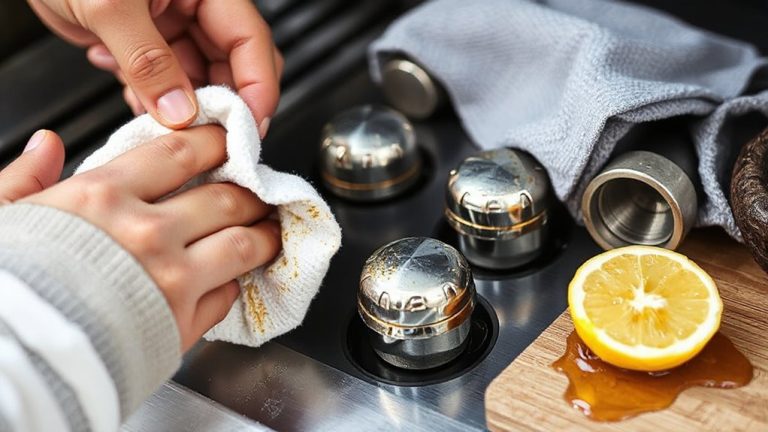
Before tucking your grill away, take the time to clean and prep it properly-this step completes the protection strategy you started when selecting the right-sized VCI bag. Start with a thorough grill inspection to spot any grease buildup, rust spots, or worn components. Removing food residue and grease prevents corrosive reactions and guarantees the VCI technology works efficiently. Use a stiff brush on grates and wipe down all metal surfaces with a damp cloth. After cleaning, allow ample time for surface drying-any trapped moisture undermines corrosion protection. Let the grill sit in the sun or wipe it down thoroughly to guarantee no water remains in hinges, burners, or grease trays. Skipping surface drying risks mold and rust, even inside a VCI bag. Proper prep isn’t just about cleanliness-it’s about preserving performance, extending lifespan, and guaranteeing your grill fires up strong next season.
How to Store Your Grill in a VCI Bag
Where do you start once your grill is spotless and completely dry? Slide it into a VCI storage bag, making sure the bag fits snugly without pinching or stretching. Proper sizing guarantees consistent vapor dispersion, which is key for corrosion protection. Unlike relying solely on grill cover integrity, VCI technology actively fights moisture and oxidation from the inside out. This is especially valuable when seasonal climate impact brings damp springs or harsh winters. Even with a sturdy cover, temperature swings and humidity can penetrate micro-gaps, but a VCI bag creates an additional protective microenvironment. Seal it securely-no gaps-and store in a level, shaded area. Avoid direct contact with concrete floors, which can wick moisture. While VCI bags aren’t a substitute for basic care, they’re a smart upgrade, particularly in coastal or high-humidity regions. Their performance reflects thoughtful design meeting real-world stressors.
Keep Protection Strong All Year
Even as seasons shift and weather grows unpredictable, your grill’s protection shouldn’t fade after the bag is sealed. Vapor corrosion inhibitors (VCIs) continuously emit a protective vapor, forming a molecular shield on metal surfaces to combat rust caused by moisture and environmental exposure. Unlike standard covers, VCI bags don’t just block rain or snow-they actively defend against corrosion all year. You still need seasonal maintenance, like checking for condensation or debris before storage, to guarantee the system works efficiently. Coastal areas or humid climates increase risk, making VCI protection even more valuable against salt air and dampness. These bags withstand UV rays and temperature swings better than many assume, but prolonged sun exposure can degrade performance over time. For best results, store your grill in a dry, shaded area. With proper use, VCI technology delivers long-term defense, keeping your equipment ready, reliable, and rust-free through every grilling season.
Avoid These Common VCI Storage Mistakes
Why do some grills still rust despite using VCI bags? Because common mistakes undermine protection. Overfilling bags is a top error-when you cram too much in, VCI vapors can’t circulate evenly, leaving metal parts exposed. The inhibitors rely on diffusion, and tight spaces block their reach. Ignoring humidity worsens the risk; even in dry climates, condensation can form during temperature swings. If moisture builds inside the bag, corrosion begins despite the VCI layer. You need breathable storage that allows vapor dispersion without trapping damp air. Always size the bag properly-your grill should fit comfortably, not squeezed. Check local humidity patterns and consider adding desiccants if you live in a damp region. These steps aren’t optional extras-they’re essential to maintaining the VCI’s effectiveness. Avoid overfilling bags and ignoring humidity, or you’ll waste time and money on protection that fails when you need it most.
On a final note
You’ve cleaned your grill, picked the right VCI bag, and sealed it properly-now corrosion is far less likely. These inhibitors release molecules that neutralize moisture and block oxidation, offering real protection during off-seasons. Given how grills face temperature swings and humidity, VCI storage isn’t just convenient-it’s a smart, low-cost defense. Used correctly, it extends equipment life far better than tarps or generic covers. Skip the rust come spring.