Reverse Searing on a Pellet Grill: 225°F Smoke to 600°F Sear
You’re turning your pellet grill into a precision BBQ tool when you reverse sear. Start low and slow at 225°F–250°F to infuse smoky depth into well-marbled cuts like ribeye or pork shoulder. Hardwood pellets-oak for beef, apple for pork-build complex flavor. Then crank up the heat, using a cast iron griddle or infrared sear station to hit 600°F and create a crisp, juicy crust. Pull meat just under target temp, since it’ll rise during rest. Letting it rest 5–10 minutes keeps juices locked in. There’s more to mastering this balance of smoke and sear than meets the eye.
Notable Insights
- Reverse searing on a pellet grill combines low-and-slow smoking with a final high-heat sear for deep flavor and a crisp crust.
- Start by smoking thick cuts like ribeye or pork shoulder at 225°F–250°F until near desired doneness using hickory or apple pellets.
- Achieve optimal smoke infusion by ensuring clean airflow and avoiding overcrowding on the grill grate.
- Sear at over 600°F using a cast iron griddle or infrared burner since most pellet grills max at 500°F.
- Rest meat 5–10 minutes after searing, pulling it 5–10°F below target temperature to account for carryover cooking.
What Reverse Searing Does for Pellet Grill Cooking
Reverse searing flips the script on traditional grilling, and when you’re working with a pellet grill, it’s a game-changer. You start low and slow, using the consistent, controlled smoke to gradually bring your meat up to temperature. This method maximizes flavor development, letting wood-fired nuances penetrate deep into the flesh over hours. Once it’s nearly done, you crank the heat and sear, creating a crisp, caramelized crust that locks in juices. The result? Unmatched texture enhancement-tender, evenly cooked interior with a restaurant-quality exterior. Pellet grills excel here, thanks to their precise temperature control and dual capabilities for smoking and high-heat grilling. You’re not just cooking; you’re refining the process, combining science and technique. It takes patience, but the payoff in depth of flavor and structural perfection makes reverse searing a superior choice for serious outdoor cooking.
Best Meats to Reverse Sear on a Pellet Grill
While not every cut benefits equally from the reverse sear, thick, high-quality meats with good marbling respond best to this method on a pellet grill. You’ll want to choose cuts like ribeye, strip steak, brisket flat, or bone-in pork shoulder-meats that handle long cooks well and develop rich crusts when seared. Their fat content renders slowly, enhancing flavor while the pellet grill’s consistent low heat guarantees even doneness. Your wood selection matters here; try hickory or oak for beef, apple or cherry for pork, to complement without overpowering. Keep up with grill maintenance to maintain temperature accuracy and smoke quality-clean the burn pot, check the auger, and wipe the grates. A well-maintained grill gives you better control, essential when shifting from slow smoke to high-heat sear. This balance defines the technique’s success. For optimal results, select the Best Cuts of Meat for Smoking, as these are proven to deliver superior flavor and texture when subjected to low and slow cooking followed by a high-heat sear.
Smoke Low and Slow First
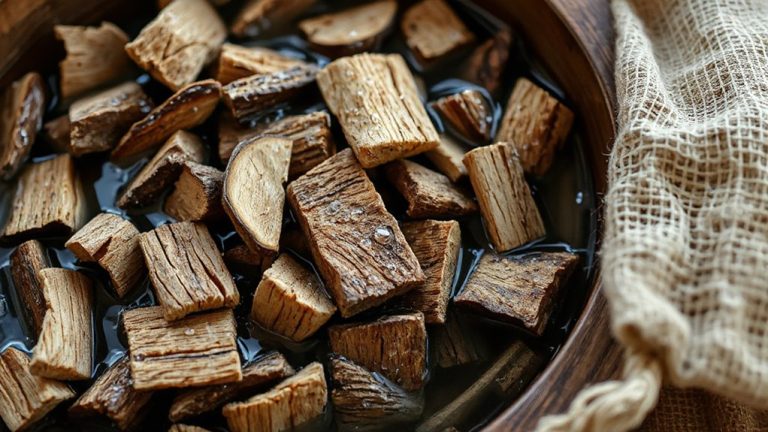
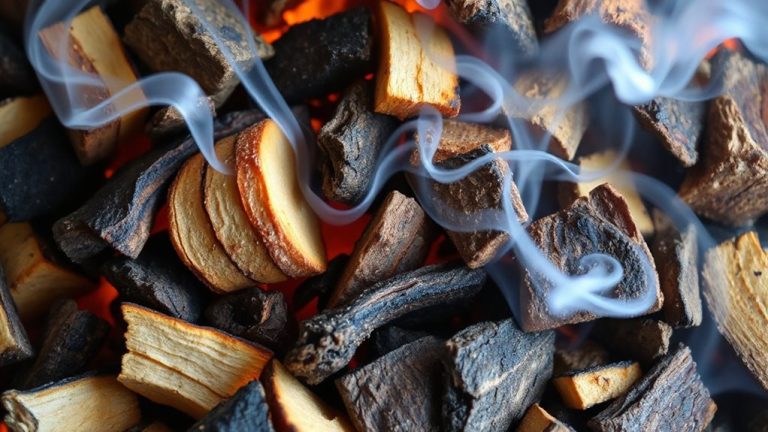
Once the grill’s preheated and you’ve selected your cut, drop the temperature to between 225°F and 250°F to begin the low-and-slow phase-this gentle ramp-up allows the meat’s internal temperature to rise evenly without triggering a heavy smoke ring or overcooking the outer layers. This stage is where smoke infusion truly shines, as the prolonged exposure to clean, steady smoke builds a rich, complex background flavor. You’re not just cooking; you’re encouraging deep flavor development that searing alone could never achieve. Pellet grills excel here, offering precise temperature control and consistent smoke output without flare-ups. Hardwood pellets-like hickory, oak, or cherry-impart distinct aromatic notes that penetrate slowly, enhancing the meat’s natural taste. Maintain clean airflow and avoid overloading the grill to guarantee even cooking. This foundational step sets the stage, transforming a good cut into something memorable-tender, aromatic, and layered with taste. For optimal results, consider using a high-quality wood pellet smoker that ensures consistent heat and smoke throughout the cooking process.
Finish With a Searing Blast
A properly executed searing blast locks in juices and builds an irresistible crust, transforming your smoked meat into a restaurant-quality masterpiece. You’ll need precise heat control to achieve this-most pellet grills max out around 500°F, which works, but true searing thrives above 600°F. That’s where dedicated searing tools like cast iron griddles or infrared sear burners come in handy. They deliver intense, even heat fast, ensuring a deep Maillard reaction without overcooking the interior. Position your meat over the highest heat for 60–90 seconds per side, watching closely to avoid charring. Good heat control means balancing time and temperature so the crust forms quickly while the center stays perfectly textured. Searing tools not only boost performance but expand your grill’s versatility, letting you sear steaks, burgers, or even vegetables with restaurant-grade results. A bold finishing touch like a dash of best Mexican hot sauces can elevate the flavor profile with authentic, smoky-heat complexity. Mastering this step elevates reverse searing from solid to exceptional.
Master Temp and Timing for Perfect Doneness
Because temperature control is the backbone of reverse searing, getting it right means the difference between a perfectly cooked steak and one that falls short, no matter how good the crust looks. You’ll rely heavily on internal probes to monitor the meat’s core temp without guessing. Pull your steak 5–10°F below your target-carryover cooking will keep raising the temperature even after removal from heat. This gradual rise guarantees even doneness without gray bands. Pellet grills offer steady, low temps ideal for this method, but only if you calibrate your probes regularly. Trusting inaccurate readings leads to overcooking. Aim for 115°F for medium-rare when searing, knowing it’ll climb to 125–130°F at rest. Timing varies by thickness and starting temp, so don’t rely solely on the clock. With practice, internal probes and an understanding of carryover cooking transform guesswork into precision.
Rest and Serve: Lock in Juices After Searing
Pulling your steak off the pellet grill at the right internal temperature is only half the battle-what you do next determines how much of that carefully rendered moisture stays where it belongs: inside the meat. Let it rest for 5–10 minutes; this pause allows carryover cooking to finish the job without overshooting your target doneness. During this time, muscle fibers relax and reabsorb juices, ensuring a tender bite. Skipping this step means losing valuable moisture the second you slice. When you’re ready, pay attention to slicing techniques-cut against the grain and use a sharp knife to preserve texture and prevent shredding. Thick cuts like ribeye or strip benefit most from this precision. Proper resting and slicing don’t just preserve succulence; they elevate the entire eating experience, turning a well-cooked steak into a consistently great one.
On a final note
You’ve mastered low-and-slow smoking, then sealed it with a crisp sear-perfect for thick steaks and roasts. Reverse searing on a pellet grill delivers even doneness and rich smoke flavor, enhanced by precise temperature control. While it demands patience and attention to internal temps, the payoff in juiciness and depth is worth it. For consistent, restaurant-quality results without flipping or guesswork, this method proves ideal, blending grilling and smoking into one efficient, flavorful technique.