Mapping Internal Temp Zones Within Offset Smokers to Position Meats Accurately
You’re wasting fuel and cooking unevenly if you haven’t mapped your smoker’s heat zones. Start by heating to 225°F and use multiple probes to log temps across racks-left to right, front to back. You’ll likely find a 50°F+ swing from firebox to rear. Adjust dampers to balance airflow and rerun the test. Position brisket near the heat, chicken in cooler spots, and rotate as needed. Consistent monitoring and minor tweaks keep zones stable. Understanding your unit’s behavior under different conditions reveals smarter ways to cook with precision and efficiency every time.
Notable Insights
- Stabilize smoker at 225°F and use multiple probes to map temperature variations across racks.
- Identify hot spots near the firebox and cooler zones toward the opposite end.
- Adjust dampers and recheck temps after 15 minutes to verify airflow impact.
- Place thick meats like brisket in hotter firebox-side zones for efficient cooking.
- Rotate meats periodically and account for environmental factors affecting heat distribution.
Fix Uneven Heat in Your Offset Smoker
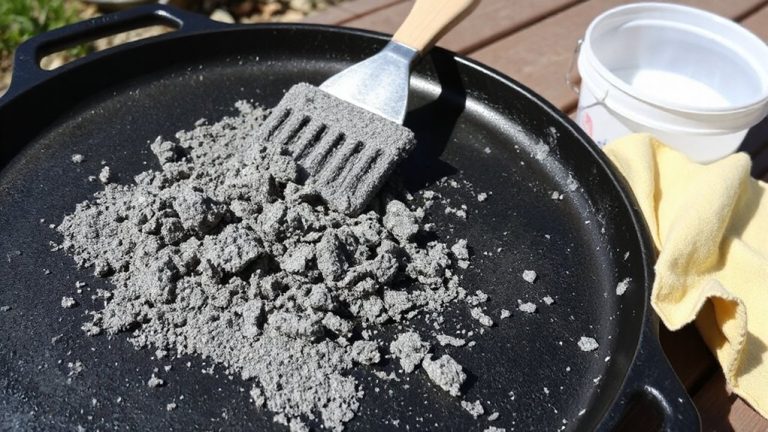
Why does one side of your offset smoker cook faster than the other? Uneven heat often stems from poor vent placement and unchecked ash buildup. If your intake and exhaust vents aren’t aligned to encourage steady airflow, hot spots develop near the firebox, leaving the opposite end cooler. You need balanced draft control to maintain even temps, and mispositioned vents disrupt that. Ash buildup underneath the grates restricts airflow, too, creating dead zones and insulating the chamber unevenly. Over time, this leads to inconsistent cooking-some meat dries out while other parts lag. Cleaning out ash regularly isn’t just maintenance; it’s essential for thermal symmetry. You’ll get better results adjusting vent placement to optimize oxygen flow and prevent stagnation. While design varies, most offset smokers respond well to tuned airflow and clean combustion chambers. Fix these two issues, and you’re already ahead in mastering your smoker’s behavior. For beginners, starting with a well-designed beginner offset smoker can significantly reduce common airflow and temperature challenges.
Map Your Offset Smoker’s Heat Zones in 3 Steps
Though your offset smoker may seem like a simple chamber for slow cooking, understanding its internal temperature landscape can make or break your results-so mapping the heat zones isn’t just helpful, it’s necessary for precision. First, fire up your smoker and let it stabilize at 225°F; use a dual-probe thermometer to monitor both firebox and cooking chamber temps. Second, place multiple ambient probes across different racks and positions-left, center, right, front, back-to log variations. You’ll quickly notice how smoke circulation affects spots near the door or baffles. Third, adjust the dampers slightly to fine-tune airflow balance and recheck readings after 15 minutes. Consistent hotspots or cold zones reveal inefficiencies, often tied to poor airflow management. This hands-on method gives you real data, helping you position meats exactly where they’ll cook evenly-no guesswork, just control backed by observation.
Understand How Heat Moves in Your Smoker
Since heat doesn’t move through your offset smoker in a uniform way, you’re better off recognizing early that convection, conduction, and radiant energy all play distinct roles in how your food cooks. The firebox generates intense radiant heat, while hot air circulates via convection, guided by your smoker’s airflow patterns. These patterns-shaped by damper settings and chimney draw-direct how evenly heat spreads. Poor airflow leads to cold spots or hot zones, undermining consistent results. You’ve got to grasp your unit’s unique heat dynamics, as design differences drastically affect performance. Thick steel retains heat well but responds slowly; thin walls create sharper gradients. Though radiant heat sears near the fire, convection carries warmth deeper into the cook chamber. Understanding these forces lets you anticipate shifts during long smokes. It’s not just about temperature readings-it’s about reading the behavior of fire, air, and metal together. Mastering this balance is what separates decent BBQ from exceptional.
Place Meats in the Right Heat Zone
When you’re working with an offset smoker, positioning your meat in the right heat zone isn’t just a detail-it’s the key to even cooking and flavor control. You’ve already mapped your smoker’s temp zones, so now it’s time to use that knowledge. Meat placement directly affects temperature accuracy and doneness. Put thicker, denser cuts like brisket or pork shoulder in the hotter zones near the firebox-this guarantees they cook through without stalling. More delicate items, like chicken or sausages, belong in the cooler rear section to avoid drying out. Rotate meats as needed for even exposure. Proper placement reduces hot spots and cold zones from disrupting your cook. Ultimately, smart meat placement isn’t guesswork; it’s strategy. It turns temperature accuracy into consistent results-crisp bark, tender interiors, and balanced smoke absorption every time. Master this, and you’re mastering the smoker.
Adjust for Weather and Fuel
If you’re chasing consistent results on your offset smoker, you can’t afford to ignore the weather and fuel-you’re not just managing fire, you’re adapting to environment and burn characteristics. Weather impact plays a major role: cold or windy conditions increase heat loss, forcing you to burn more fuel to maintain stability. Rain or high humidity can dampen airflow and slow combustion, so protecting the firebox is essential. Your fuel type-whether oak, hickory, or lump charcoal-also affects burn time and heat output. Hardwoods burn slower and hotter than softwoods, making them more reliable in variable conditions. You’ll need to adjust airflow and fuel load accordingly, especially when temperatures drop. Monitoring flue output and fire behavior helps gauge efficiency. Choosing the right fuel type for the season and anticipating weather impact gives you tighter control, ensuring your meat cooks evenly without temperature swings.
Keep Heat Zones Stable
Though heat zones in your offset smoker might shift naturally during a cook, keeping them stable is key to predictable, even results-especially when handling large or irregular cuts that rely on consistent thermal gradients. You need steady thermal regulation to maintain target temps without constant tweaking. That starts with airflow consistency: adjust the damper in the firebox and exhaust stack just once after establishing your burn, then leave them be. Fluctuating oxygen flow causes temp swings, disrupting zone integrity. Use a quality exhaust thermometer to monitor ambient shifts and catch drift early. Avoid overloading the chamber-crowding alters heat circulation and stalls airflow. Replenish fuel proactively with well-seasoned wood, adding chunks rather than logs to minimize disturbance. Once balanced, the system sustains zones effectively. Stability isn’t automatic, but with mindful setup and minimal interference, you’ll keep zones reliable, ensuring meats cook evenly from edge to center.
On a final note
You now control your smoker’s performance, not the other way around. Mapping heat zones improves cooking precision, ensuring meats finish evenly and on time. Positioning brisket in stable, indirect zones while leaving hotter areas for sausages makes practical sense. Weather and fuel shifts demand small adjustments, but consistent airflow and monitoring keep temps reliable. This method beats guesswork, delivering repeatable results essential for serious BBQ. Smart heat management separates good smoke sessions from great ones.