Pairing Pear Wood With Spiced Cider Brine for Cold-Smoked Pork Tenderloin
You’re using pear wood because its soft, fruity smoke complements the spiced cider brine without overpowering the tenderloin. The brine’s concentrated apple sweetness and warm spices sync well with the wood’s mild aroma, creating layered, cohesive flavor. Soaked chunks produce clean, steady smoke ideal for cold-smoking under 90°F, ensuring deep absorption. This pairing enhances the pork’s delicacy rather than masking it-a balanced approach that elevates both technique and taste. There’s more to get right in execution.
Notable Insights
- Pear wood’s mild, sweet smoke complements the spiced cider brine without overpowering the pork’s delicate flavor.
- Slightly dampen pear wood chunks to produce clean, steady smoke that enhances brine-infused aromatic complexity.
- Soak pear wood for 30 minutes to extend burn time and improve smoke density during cold-smoking.
- The fruit-forward notes of pear smoke harmonize with cider’s natural sweetness and warm brine spices.
- Avoid dry or oversaturated wood to maintain consistent smoke output and prevent harsh, acrid flavors.
Make the Spiced Cider Brine for Smoked Pork Tenderloin
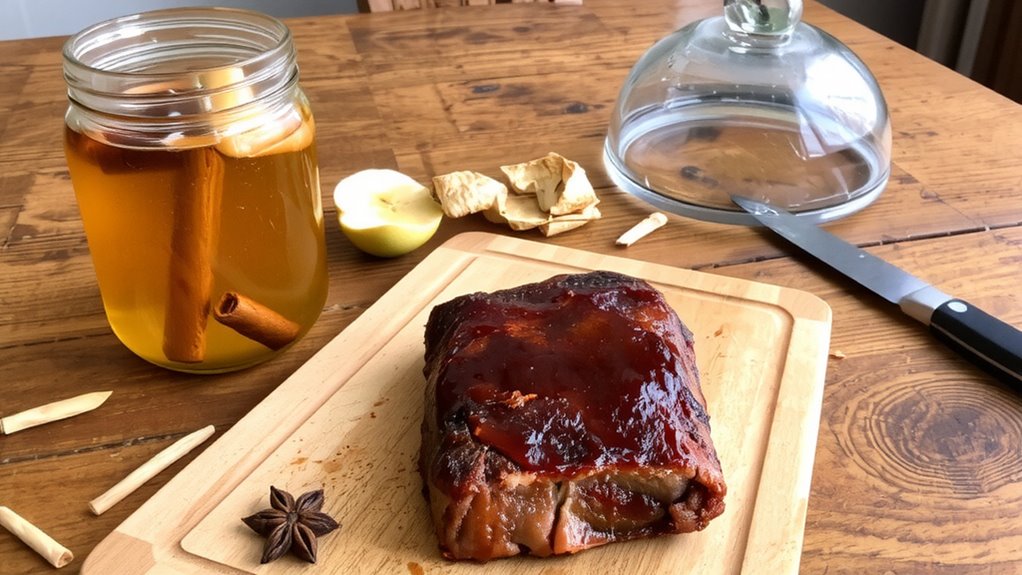
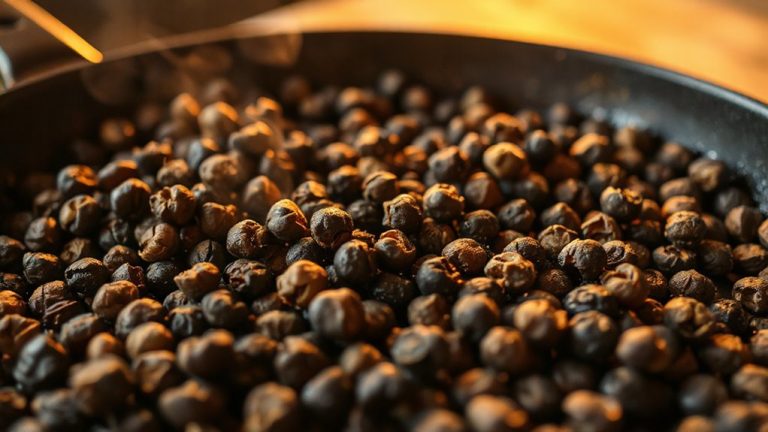
While you could go the easy route with a basic salt-and-sugar brine, taking the time to build a properly spiced cider brine makes a noticeable difference when you’re aiming for depth in cold-smoked pork tenderloin. You’ll start by creating a cider reduction-simmering apple cider until it’s concentrated and rich, which deepens sweetness and amplifies flavor retention in the meat. Next, combine this reduction with water, kosher salt, brown sugar, allspice berries, crushed red pepper, cinnamon, and black peppercorns. Bring it to a simmer, then cool completely to guarantee a balanced spice infusion without overcooking the pork. This method delivers more complexity than a standard brine, with warm, aromatic notes that complement the mild smoke from pear wood. The result? A well-seasoned, juicy tenderloin with consistent flavor from edge to center. Done right, the brine doesn’t just season-it transforms.
Prepare the Pork Tenderloin for Smoking
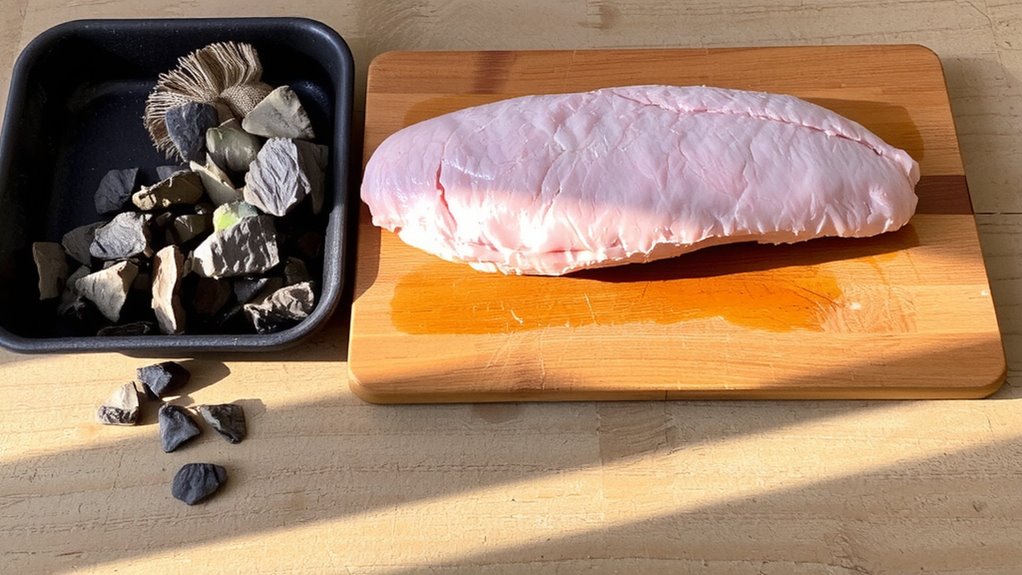
You’ve built a spiced cider brine that’s rich with concentrated apple sweetness and warm aromatics, and now it’s time to focus on the pork itself. Proper pork preparation starts with trimming excess fat and silver skin from the tenderloin-this guarantees even texture and better smoke penetration. Pat the meat dry so the brine adheres effectively, then submerge it for at least 12 hours. This step isn’t just about moisture retention; it’s key for flavor enhancement, allowing spices and apple depth to infuse deep into the fibers. Cold brining also stabilizes the protein, improving its response to low-temperature smoking later. Choose tenderloins that are evenly shaped to promote uniform results. Pork preparation like this may seem simple, but it directly impacts quality-skipping proper steps dulls the final taste. Good technique elevates the entire process, setting the stage for a clean smoke and balanced bite. You’re not just prepping meat-you’re engineering flavor.
Cold-Smoke the Pork Tenderloin for Best Results
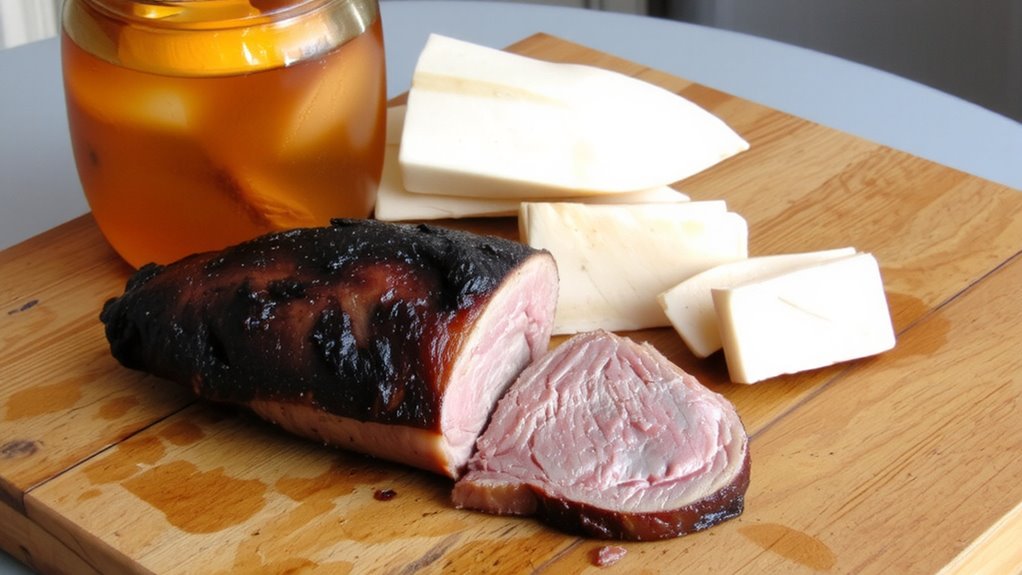
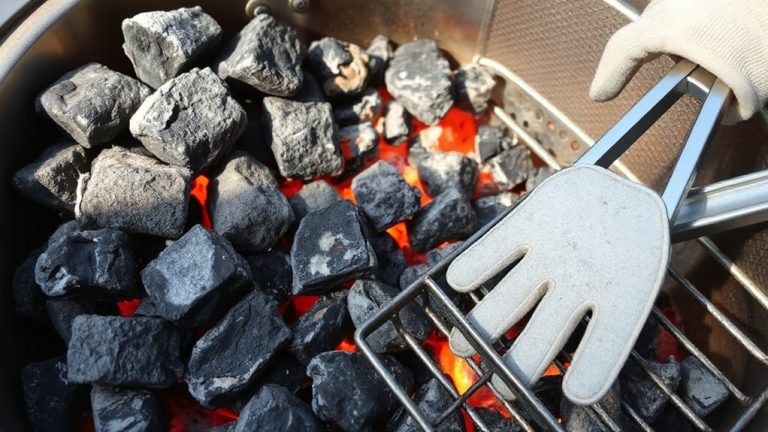
Since cold-smoking relies on flavor development without cooking the meat, maintaining strict temperature control below 90°F (32°C) is essential to guarantee food safety and proper smoke absorption. You’ll want to monitor both smoke duration and wood moisture closely, as they directly impact flavor intensity and consistency. Too much moisture dampens smoke production, while too little burns too fast, risking temperature spikes. Pear wood, with its mild sweetness, performs best when soaked for 30 minutes-enough to prolong smoldering without oversaturating. Choosing the right wood type is crucial, and best smoking wood picks can make a significant difference in flavor profile and smoke quality.
| Factor | Recommendation |
|---|---|
| Smoke duration | 4–6 hours |
| Wood moisture | Slightly damp chunks |
| Ambient temp | <90°F (32°C) |
| Smoke density | Thin, steady stream |
| Fuel form | Chunky, not powdered |
This balance secures clean smoke and deep flavor without overwhelming the tenderloin.
Serving Smoked Pork Tenderloin: Tips and Pairings
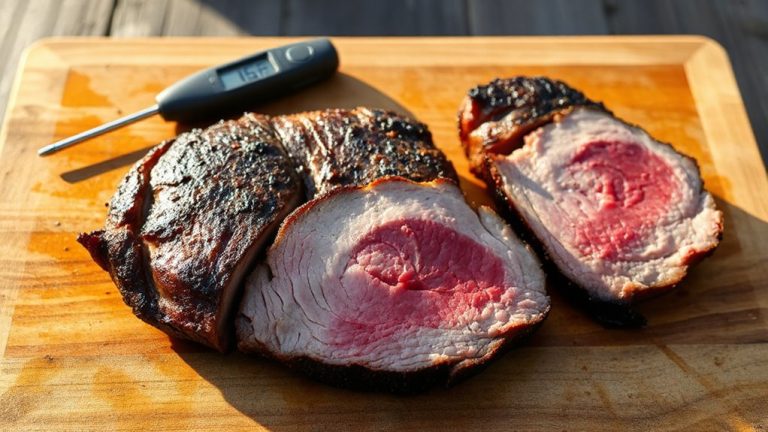
A perfectly smoked pork tenderloin deserves a presentation that highlights its delicate balance of sweet smoke and subtle spice. Use clean, minimalist plating techniques-thinly sliced medallions fanned over a bed of cider-glazed root vegetables or grain salad enhance both texture and visual appeal. A drizzle of reduced spiced cider brine adds shine and reinforces flavor. For wine pairings, opt for a medium-bodied Pinot Noir; its bright acidity and red fruit notes complement the smokiness without overwhelming the meat’s subtlety. An off-dry Riesling also works, offering contrast to the savory depth with a hint of residual sweetness. Avoid heavy tannins-they clash with the tenderness and finesse of the pork. Garnish sparingly with microgreens or toasted pear slices to preserve focus on the star. Proper plating techniques and thoughtful wine pairings elevate the dish from rustic to refined, making your outdoor cooking effort truly shine.
Storing Leftover Smoked Pork Tenderloin
After enjoying the refined balance of smoke and spice on your plate, attention naturally shifts to what’s left on the cutting board-proper storage guarantees those carefully layered flavors endure. You should refrigerate leftover smoked pork tenderloin within two hours to maintain refrigeration safety and prevent bacterial growth. Slice it or keep it whole, but either way, wrap it tightly in butcher paper or place it in an airtight container. It’ll keep for up to four days in the fridge. For longer storage, freeze it-well-wrapped-in a vacuum-sealed bag for up to three months. Thaw it slowly in the fridge to preserve texture. These leftovers open up smart meal prep ideas: think smoked pork tacos, grain bowls, or chopped into scrambled eggs. Reheat gently at low temperature to retain moisture. Proper handling secures quality and safety, making your smoking effort last beyond the first serving.
On a final note
You’ve now seen how spiced cider brine enhances the delicate texture of pork tenderloin, while cold-smoking over pear wood imparts a subtle, fragrant sweetness. This method rewards patience with deeply layered flavor and superior moisture retention. For outdoor cooking, precision in temperature and smoke density matters most. When executed well, the results surpass standard grilling, offering a refined twist on barbecue that’s both approachable and impressive in its depth.