Reintroducing Brief Cold Smoke Post-Cook for Gourmet Finishing Touches
You’re adding cold smoke after cooking to build flavor without altering texture. Unlike traditional smoking, this method uses smoke below 90°F to gently infuse delicate items like scallops, cheeses, or cocktails. It’s ideal for finishing dishes with a nuanced aroma and modern flair. Tools like smoking guns deliver precise, short bursts-15 to 60 seconds-for control. Choose apple or cherry wood for subtlety, oak for balance. There’s no guesswork when you see how each wisp enhances the plate’s final profile.
Notable Insights
- Cold smoking post-cook adds aromatic depth without altering texture or risking overcooking delicate dishes.
- Ideal for finishing foods like cheeses, scallops, and desserts that benefit from subtle smoky nuances.
- Use mild woods like apple or cherry to enhance flavors without overpowering delicate ingredients.
- Handheld smoking guns allow precise, brief exposure (15–60 seconds) for controlled flavor application.
- Cold smoke elevates presentation and complexity in cocktails and gourmet plates with minimal equipment.
Why Cold Smoke Is Trending Now
While you might associate smoking with long, slow cooks, cold smoke is gaining traction today because it delivers intense flavor without cooking the food-perfect for finishing delicate items like cheeses, salts, or smoked cocktails. You’re seeing it more on upscale menus where artistic presentation matters, and where chefs use smoke as a nuanced accent rather than a dominant note. The trend thrives on precision: cold smoking happens below 90°F, preserving textures while adding depth. It elevates flavor pairing, allowing smoky notes to complement rather than overwhelm ingredients like creamy goat cheese or citrusy vinaigrettes. Modern gear makes it accessible, with compact smoke generators and controlled environments ensuring consistency. Unlike traditional methods, it’s quicker and more repeatable, fitting seamlessly into refined plating and timed services. You don’t need a backyard pit-just a well-ventilated space and attention to detail. It’s not novelty; it’s thoughtful application gaining respect in outdoor cooking for its finesse. The choice of wood plays a crucial role, and using high-quality best wood chips for smoking ensures clean, consistent smoke ideal for cold-smoking applications.
How Post-Cook Smoking Differs From Traditional Smoking
Since you’re not applying heat during the process, post-cook smoking relies on cold smoke drawn from smoldering wood chips to layer flavor onto foods after they’ve been fully cooked, which means delicate items like seared scallops or chilled cheeses won’t break down or dry out. Unlike traditional smoking-where heat and time work together to cook and preserve-this method purely enhances taste and aroma. You’re not battling food safety concerns or long cook times, just refining finished dishes. The historical evolution of smoking once centered on preservation, but now you’re seeing a shift toward finishing techniques. Regional techniques once tied to climate and storage needs are being reinterpreted for modern plating. Cold smoke post-cook isn’t about endurance; it’s precision. You apply it briefly, intentionally, treating smoke as a seasoning rather than a transformation tool. This controlled approach suits today’s fast-paced, flavor-driven kitchens.
Best Foods to Cold Smoke at the End
Though some might overlook the subtlety of cold smoke, you’ll find it works wonders on foods where texture and nuance matter-think of it as the final brushstroke on a finished canvas. Delicate items like fresh cheeses, cured meats, and even ripe fruits take on a complex aroma without structural change. You’re not cooking here-you’re enhancing. Cold smoked desserts, such as crème brûlée or chocolate mousse, gain a surprising depth that elevates sweetness with a whisper of wood. Smoked cocktail garnishes, like citrus twists or rosemary sprigs, introduce aroma with each sip, turning drinks into multisensory experiences. Creamy elements respond especially well, absorbing smoky notes seamlessly. The technique shines when precision matters: too long, and you overwhelm; just enough, and the dish gains sophistication. Unlike traditional smoking, this isn’t about preservation-it’s about refinement. You’re adding dimension, not masking flavor. Treat it like seasoning, not a process.
Pick the Best Wood for Subtle Smoke Flavor
The right wood can make or break your cold smoke finish, so choosing carefully matters. Subtle smoke intensity is key when finishing delicate dishes, and your wood pairings should enhance, not overwhelm. Softwoods like apple and cherry offer mild, sweet notes perfect for poultry, seafood, or cream-based cheeses. Medium-intensity hickory works well with stronger cheeses or pork, while oak gives a balanced, earthy tone ideal for vegetables and eggs. Avoid heavy smokes like mesquite for finishing-they dominate the palate. For best results, consider the best smoking wood picks based on flavor profile and food type compatibility.
Apply Cold Smoke in Under 5 Minutes
A 5-minute cold smoke infusion can elevate a dish without altering its texture, making it ideal for finishing delicate items like crudo, fresh cheese, or even cocktails. You’re not searing or cooking-just layering aroma. This brief exposure lets you control smoke intensity with precision, avoiding bitterness while enhancing complexity. Think of it as seasoning with time: 60 to 300 seconds is enough to weave smokiness into the dish without overwhelming it. Achieving proper flavor balance means matching the smoke to the ingredient’s delicacy-milder woods for subtle foods, slightly bolder ones for richer bases. Since cold smoking happens post-cook, you maintain textures intact while adding depth. It’s efficient, too-no long waits or equipment warm-ups. When executed well, this method delivers an aromatic lift that feels intentional, not intrusive. For modern chefs, that kind of control turns a simple garnish into a signature moment.
Use These Tools for On-Demand Cold Smoking
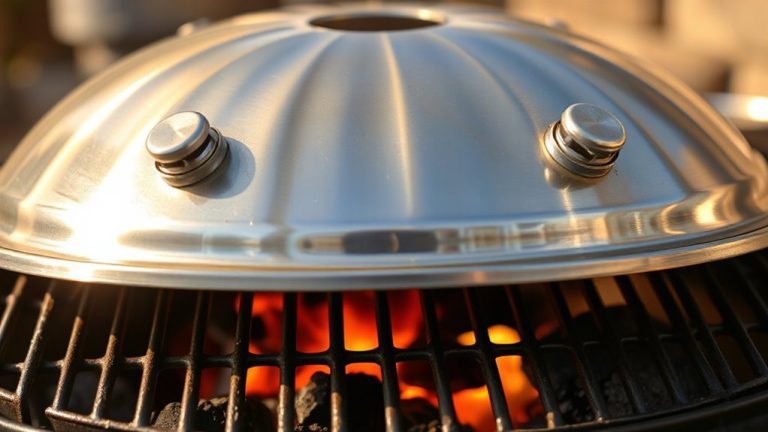
If you’re serious about adding smoky nuance without committing to hours of setup, handheld smoking guns and compact cold smokers are your best allies for on-demand flavor. These tools deliver precise smoke infusion, letting you elevate dishes in seconds. Smoking guns run on electricity, draw in air, and ignite wood chips or pellets, producing cool smoke ideal for glasses of cocktail or finished plates. Most models heat below 90°F, preserving textures while ensuring clean flavor enhancement. Compact cold smokers, often dome-shaped, work with small smoldering wood chunks and offer longer exposure if needed. Both are easy to clean and store, though smoking guns give finer control. For consistent results, pair them with hardwood dust or tea-smoked blends. They’re not gimmicks- they’re practical upgrades for modern kitchens. With the right maintenance and dry storage, they stay reliable. If you value nuance and speed, these tools earn their spot. For those who also enjoy hot smoking with minimal effort, a stovetop smoker can seamlessly complement your cold smoking setup.
How to Avoid Over-Smoking Delicate Dishes
Why does a dish sometimes go from elegantly smoked to overpowering in just seconds? It’s usually because smoke timing wasn’t carefully monitored. Delicate items like fish, vegetables, or custards absorb smoke quickly, so even 30 extra seconds can ruin the flavor balance. You’re aiming for nuance, not dominance. Cold smoke should enhance, not mask. Use short bursts-15 to 60 seconds-and always work in a well-ventilated environment to control density. Test incrementally: smoke a single component first, then taste. Devices with adjustable airflow help maintain consistency. Remember, cold smoke lingers and intensifies over time, even after removal. Over-smoking is irreversible, unlike over-seasoning, which can sometimes be adjusted. For fragile dishes, less is almost always more. Mastering smoke timing isn’t just technical-it’s essential to achieving refined flavor balance in modern finishing techniques.
On a final note
You’re likely to get better flavor control by adding cold smoke after cooking, since it imparts aroma without cooking the food further. This method works especially well on delicate items like fish, cheeses, or desserts. With compact smoking guns and quality wood pellets, you can achieve consistent results in under five minutes. Just avoid overuse-subtlety makes the technique shine. Done right, it elevates your dish with precision and sophistication.