How to Control Airflow in a Hibachi Grill for Consistent Heat
You control heat in your hibachi by adjusting the airflow-open the bottom vents fully to ignite coals quickly, then fine-tune them to stabilize temperature. Pair this with upper vent control to manage smoke and internal pressure. Keep coals evenly spread to avoid hot spots, and clean vents regularly for consistent draft. Too much air causes flare-ups; too little starves the fire. Mastering this balance gives you reliable, even cooking-just like experienced grillers rely on for perfectly seared results every time.
Notable Insights
- Open bottom and top vents fully when starting to speed up ignition and ensure even combustion.
- Adjust bottom vents to control oxygen flow, regulating heat intensity during cooking.
- Use top vents to manage smoke and internal pressure, aiding stable temperature control.
- Spread coals evenly to eliminate hot and cold spots caused by poor airflow distribution.
- Clean and align all air vents regularly to prevent blockages and maintain consistent draft.
Control Heat by Managing Airflow on Your Hibachi
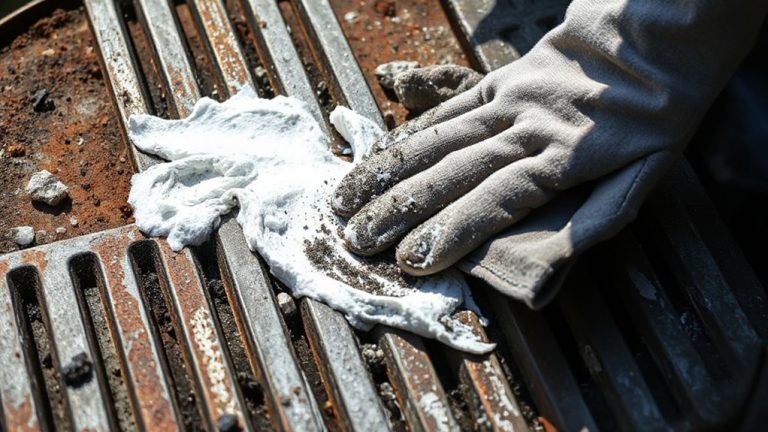
You can control the heat on your hibachi grill more effectively than you might think-by managing airflow. Proper charcoal arrangement plays a vital role; clustering coals together increases temperature, while spreading them lowers it, giving you fine-tuned control over cooking zones. Opening vents draws in oxygen, boosting combustion, while partially closing them reduces heat steadily-ideal for avoiding flare-ups or overcooking. Consistent airflow regulation prevents temperature spikes and guarantees even cooking. Good cooking surface maintenance enhances this control: a clean grate conducts heat more uniformly and prevents residue buildup that could ignite smoke or unwanted flames. Over time, neglecting cleaning affects both performance and flavor. These design features-simple as they seem-reflect thoughtful engineering for outdoor cooking. Skilled users leverage airflow and upkeep to achieve restaurant-quality results, proving that mastery lies not in complexity, but in understanding fundamentals like charcoal arrangement and diligent cooking surface maintenance. For best results, consider models with adjustable ventilation systems, as they offer superior hibachi grill temperature control.
Find Your Hibachi’s Air Vents Fast
Where are your hibachi’s air vents, and why does their location matter? Vent location plays a critical role in managing heat and ensuring efficient combustion. Most hibachis feature vents near the bottom, allowing oxygen to feed the coals from below-this airflow design supports steady burning and even heat distribution. Some models also include upper vents to release smoke and regulate internal pressure. You’ll typically find these vents on the sides or legs of the grill, often as sliding metal panels or rotating dampers. Their placement isn’t random; a smart airflow design helps you control temperature without disrupting fuel layout. Identifying them quickly means you’re ready to adjust heat efficiently. Poorly positioned or blocked vents can undermine performance, leading to uneven cooking. Knowing your grill’s vent layout gives you immediate control, turning basic design into practical advantage during every cook.
Open Vents to Ignite and Heat Your Hibachi Faster
When getting your hibachi ready for cooking, opening the air vents fully from the start can make a noticeable difference in how quickly the coals ignite and reach ideal temperature. Maximum airflow supports faster combustion, slashing ignition time and helping you start cooking sooner. Proper fuel placement matters-arrange coals in a loose pyramid or use a chimney starter for even lighting. With vents wide open, oxygen feeds the fire efficiently, ensuring consistent heat build-up across the fuel bed. You’ll see flames catch more uniformly and smoke reduce as combustion improves. This method isn’t just quicker; it’s more reliable than partial vent settings during start-up. Experienced grillers know that controlling airflow early leads to better performance down the line. While fine-tuning comes later, initial high airflow is key. Skipping this step risks uneven burning and wasted fuel. For peak efficiency, combine smart fuel placement with full vent use right from lighting.
Adjust Vents to Hold Steady Cooking Temperatures
Though achieving peak heat quickly matters, maintaining a stable cooking temperature is where true control shines-especially once the coals are glowing and ready for food. You’ll need to fine-tune your hibachi’s vent alignment to sustain consistent heat without sudden spikes or drops. By partially opening the bottom and top vents, you establish a draft balance that feeds just enough oxygen to keep combustion steady. Too much airflow causes temperature swings; too little starves the fire and leads to uneven cooking. Aim for a vent alignment that allows a light, consistent draft-this keeps the coals alive without flaring. Maintaining this balance means you can sear, grill, or simmer reliably. Observing how your fire responds to minor vent changes helps refine control over time. Proper draft balance isn’t just about heat-it’s about precision, efficiency, and delivering better results every time you cook.
Close Vents Gradually to Lower Heat Safely
If you need to reduce the heat in your hibachi grill, closing the vents gradually is the safest and most effective method. Sudden airflow cuts can smother the coals unevenly, leading to hot spots or stalled cooking. Instead, throttle down the top and bottom vents in small increments, allowing the temperature to taper smoothly. This approach gives you better control and prevents thermal shock to the fire. Regular vent maintenance guarantees they adjust smoothly and evenly, avoiding warping or clogging that could compromise airflow regulation. As you lower the heat, consider minor coal redistribution to balance remaining embers, especially if part of the grill bed cools faster. Proper airflow management not only sustains consistent cooking conditions but also extends fuel efficiency. Over time, mastering gradual vent closure becomes key to precision grilling, letting you adapt to recipe demands without guesswork or flare-ups.
Fix Common Airflow Issues That Cause Uneven Cooking
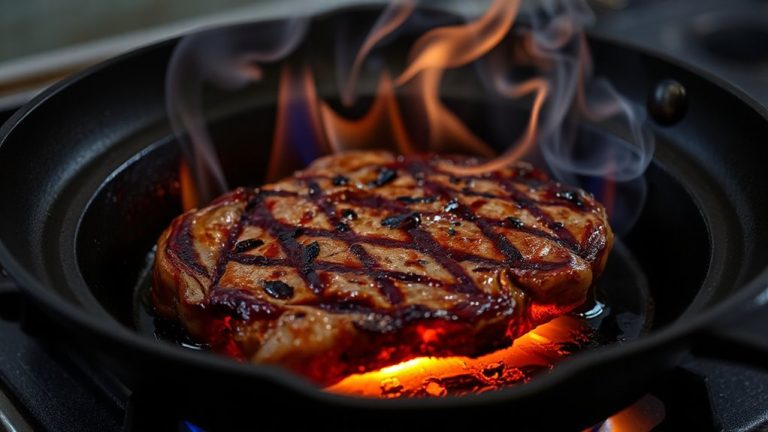
Since uneven cooking often traces back to inconsistent airflow, tackling common ventilation problems in your hibachi grill can make a real difference in heat distribution and cooking control. You’ll want to check your charcoal distribution first-clumping or sparse piles create hot and cold zones. Spread the coals evenly to promote consistent radiant heat. Also, grill positioning plays a key role; placing the hibachi in a windy spot disrupts airflow, causing flickering flames and unpredictable temperatures. Shield it with a windblock or reposition the unit. Uneven vents or blocked air inlets restrict oxygen flow, so keep them clean and aligned. You’ll notice better results when airflow is steady and balanced across the entire cooking surface. Simple tweaks in setup and maintenance substantially improve performance, giving you more control and fewer frustrating flare-ups or undercooked spots.
On a final note
You’ve seen how airflow controls heat in your hibachi, and mastering it makes all the difference. Proper vent management boosts ignition, sustains steady temps, and prevents hot spots. It’s not just about design-it’s about how you use it. With practice, you’ll cook more evenly and efficiently, proving that even simple grills demand smart technique. This control is key to reliable outdoor cooking.