Achieving Restaurant-Quality Crust With Japanese Binchotan Charcoal Grilling
You’ll get a perfect, restaurant-quality crust by using binchotan charcoal-it burns hotter, reaching up to 1,800°F, for rapid searing without drying out your food. Its clean, consistent heat delivers even radiant energy, ideal for steak, fish, or veggies. Pair it with a kamado or konro grill for stability, light it in a chimney, and set up precise heat zones. You’ll see why top chefs prefer it. There’s more to mastering this technique that can elevate your grilling game.
Notable Insights
- Binchotan burns hotter than regular charcoal, reaching up to 1,800°F for superior searing and crust formation.
- Use a kamado or konro grill to maintain the high, stable temperatures needed for restaurant-quality results.
- Light binchotan with a chimney starter to ensure clean, even ignition without flavor-contaminating lighter fluid.
- Create a two-zone fire by clustering hot binchotan on one side for precise searing control.
- Reuse properly cooled and stored binchotan to maintain consistent high heat across multiple grilling sessions.
Why Binchotan Beats Regular Charcoal
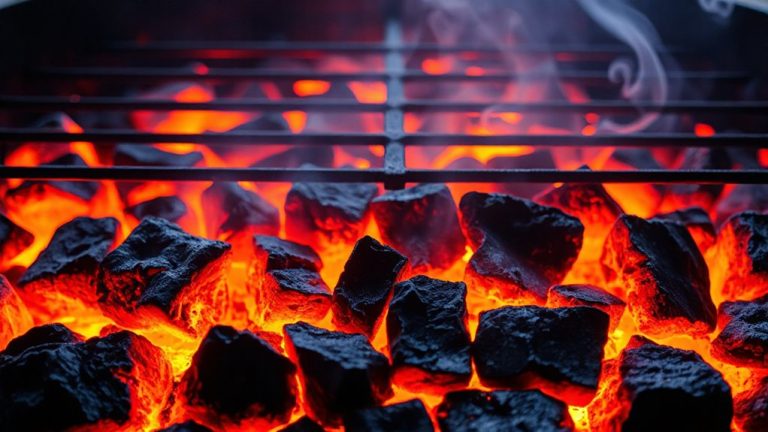
You’ve probably grilled over regular charcoal before, but if you haven’t tried binchotan, you’re missing a significant upgrade in heat control and fuel efficiency. This premium Japanese charcoal burns hotter-easily reaching 1,800°F-giving you that crisp, restaurant-quality sear without charring the interior. Its long burn time means fewer refuels and consistent temps for over an hour, ideal for precise grilling. Unlike standard briquettes, binchotan produces minimal ash and almost no smoke flavor, preserving the natural taste of your ingredients instead of overpowering them. That clean burn also means less soot on your grill grate and easier cleanup afterward. While it costs more upfront, the fuel efficiency and performance make it cost-effective over time. For serious outdoor cooking, binchotan isn’t just a luxury-it’s a functional improvement that enhances control, flavor clarity, and overall grilling experience. For those looking to source the best options, check out expert-tested Best Japanese Charcoal Picks to ensure quality and authenticity.
Choose the Best Grill for Binchotan
While not every grill handles high-heat cooking with precision, those designed for binchotan excel in temperature stability and airflow control-critical for accessing its full potential. You’ll want a grill made from thick, heat-retentive materials like stainless steel or ceramic, as the right grill material guarantees even radiant heat and durability under extreme temperatures. Look for a compact, insulated chamber that focuses heat upward, minimizing fuel use while maximizing efficiency. The ventilation design is just as important-opt for models with adjustable bottom and top vents that give you fine control over oxygen flow, allowing steady burns without constant tweaking. Kamado-style grills and dedicated Japanese konro grills are top performers, balancing form and function. Avoid cheap, thin metal units; they warp quickly and can’t maintain the consistent 900°F+ binchotan delivers. Choose wisely-you’re investing in control, not just hardware. For those seeking optimal results, consider checking out the best konro grills as they are specifically engineered for binchotan’s demanding heat profile.
How to Light Binchotan Properly
A well-built grill sets the stage, but lighting binchotan the right way is where control truly begins. You’ll want to use a chimney starter or electric charcoal starter-these offer consistent heat without chemical interference. Place the binchotan upright in the chimney, ensuring proper charcoal ventilation between pieces. Apply heat from below, and monitor ignition timing closely; binchotan typically takes 15–25 minutes to develop a light ash coating, signaling readiness. Unlike softer charcoals, binchotan ignites slowly due to its density, so patience is key. Avoid lighter fluid-you’ll ruin both flavor and integrity. Once lit, transfer the coals to your grill promptly. You’ll notice less smoke and more radiant heat, a hallmark of premium fuel. Proper ignition timing and steady airflow make the difference between amateur and restaurant-grade results. Master this step, and you’re already ahead. For reliable performance, choose a charcoal chimney with strong airflow design and durable construction.
Set Up Perfect Heat Zones
Once the binchotan is fully ignited and glowing with a faint silver ash, arranging it properly in the grill becomes the key to mastering heat control. You’ll want to create distinct heat zones by clustering coals on one side for high-temperature searing, leaving the other side free for indirect cooking. This setup gives you precise temperature management, essential for delicate foods that burn easily. Unlike standard charcoal, binchotan radiates intense, even heat, so positioning matters-too close and items char; too far and you lose that coveted crust. Use a grill thermometer to monitor the zones, adjusting coal placement as needed. Effective heat control isn’t just about intensity-it’s about sustainability. Binchotan burns hotter and longer, meaning fewer adjustments mid-cook. With this method, you’re not just grilling; you’re executing a refined approach to outdoor cooking that balances power and precision.
Sear Steak, Fish & Veggies on Binchotan
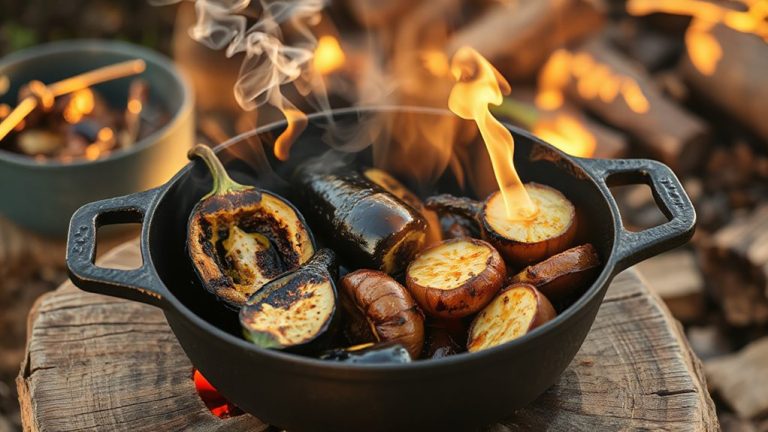
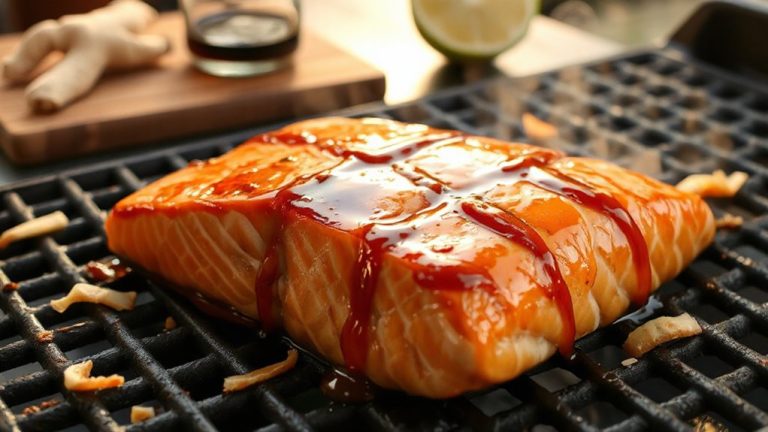
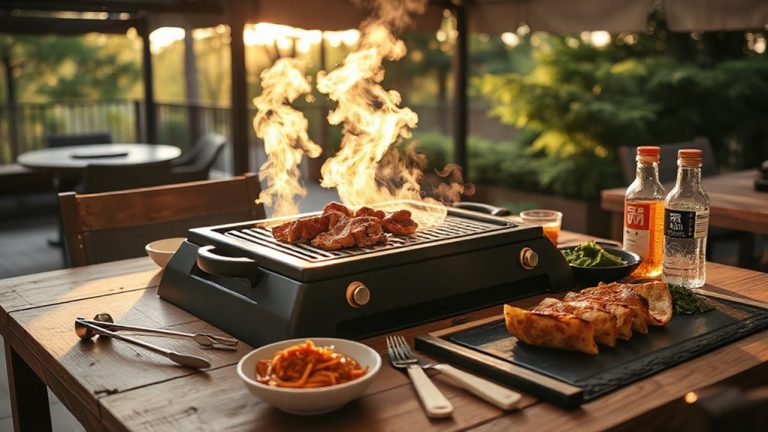
Because binchotan delivers a cleaner, more radiant heat than traditional charcoal, you’ll notice the sear on steaks develops faster and more evenly when you place them directly over the hot coals. The intense heat creates deep grill marks while locking in juices, giving you that crisp, caramelized crust prized in restaurants. Fish skin crisps beautifully without sticking, and vegetables char lightly, adding complexity through subtle smoke infusion. Unlike wood chips, binchotan imparts a neutral smoke flavor, letting ingredients shine. For best results, keep items close to the coals and monitor closely-its efficiency means foods cook quicker.
| Food | Time (min) | Result |
|---|---|---|
| Steak | 3–4/side | Bold grill marks, medium-rare |
| Salmon | 2–3/side | Crisp skin, smoke infusion |
| Zucchini | 2/side | Light char, firm texture |
| Mushrooms | 4 total | Earthy depth, tender |
| Bell Peppers | 3/side | Sweet smokiness, slight blister |
Reuse and Store Binchotan Like a Pro
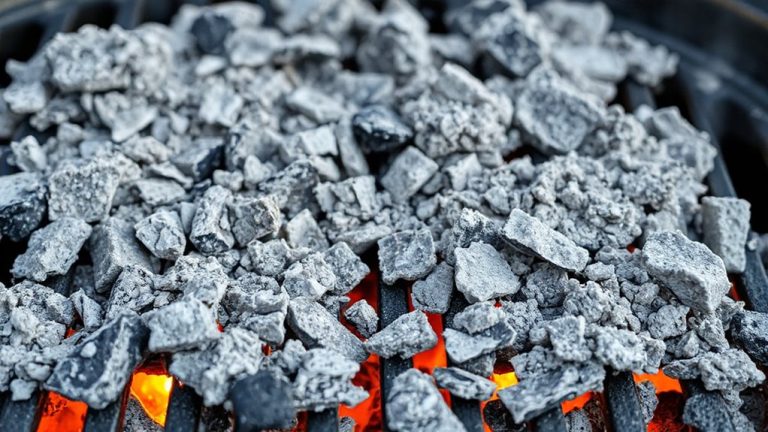
While binchotan burns cleaner and longer than regular charcoal, skipping proper cooldown and storage practices undermines both its reusability and performance over time. You should let the coals cool naturally after grilling-dousing them with water reduces their structural integrity. Once cooled, gently tap off excess ash; this basic binchotan cleaning method preserves the dense core while removing combustion residues. Avoid washing with liquids, as moisture absorption weakens future burn quality. For long term storage tips, keep your binchotan in a dry, airtight container away from humidity. A sealed metal or plastic bin works best. Stored properly, used binchotan can be reignited efficiently, delivering consistent high heat for multiple sessions. Reusing coals isn’t just economical-it’s a hallmark of precision grilling. With careful handling, your binchotan maintains its thermal stability, ensuring every sear stays crisp and controlled.
On a final note
You’ll get superior results with binchotan-it burns hotter and cleaner than regular charcoal, delivering unparalleled sear and flavor. A proper setup, from lighting to heat zoning, maximizes its efficiency. Grilling steak, fish, or veggies yields restaurant-quality crust thanks to consistent, radiant heat. Plus, reusing and storing binchotan properly extends its life, making it economical. For serious outdoor cooking, binchotan’s performance justifies the effort.