Creating a Seasonal Maintenance Schedule for All Your Outdoor Cooking Equipment
You should start each spring by inspecting burners, checking fuel lines, and cleaning grates to guarantee reliable performance. During summer, clean after every use and monitor for grease buildup to prevent flare-ups. In fall, do a deep clean and remove debris before storing. Winter calls for covering tightly and preventing moisture and pests. Matching care to your grill type boosts durability and safety-there’s more to get right with consistent upkeep.
Notable Insights
- Inspect and clean burners, grates, and fuel systems each spring to ensure safe, efficient operation during grilling season.
- Clean grates and remove grease buildup after every use to maintain performance and prevent flare-ups in summer.
- Perform a deep cleaning in fall by removing debris, disconnecting fuel sources, and drying all parts before storage.
- Protect your grill from winter weather with a waterproof cover and elevate it to prevent moisture and pest damage.
- Tailor maintenance to your grill type, addressing specific needs like gas line checks or ash removal based on fuel source.
Spring: Get Your Grill Ready for Grilling Season
Though winter’s chill may have finally lifted, don’t fire up the grill just yet-spring is the ideal time to assess and refresh your outdoor cooking equipment after months of dormancy. Begin with a thoroughly grill inspection: check the burner tubes for clogs, examine grates for rust, and guarantee the ignition system functions properly-these details directly impact heating efficiency and safety. A cracked hose or corroded connection could lead to dangerous leaks, so perform a careful fuel check: for gas grills, confirm propane levels and inspect regulators; for charcoal models, verify the fuel chamber is debris-free. Cleaning the interior and replacing worn parts now prevents breakdowns later. Addressing these elements early guarantees reliability throughout the warmer months. You’ll gain consistent heat control and extend the equipment’s lifespan. Spring maintenance isn’t just routine-it’s an investment in performance, safety, and better barbecue.
Summer: Keep Your Grill in Top Shape All Season
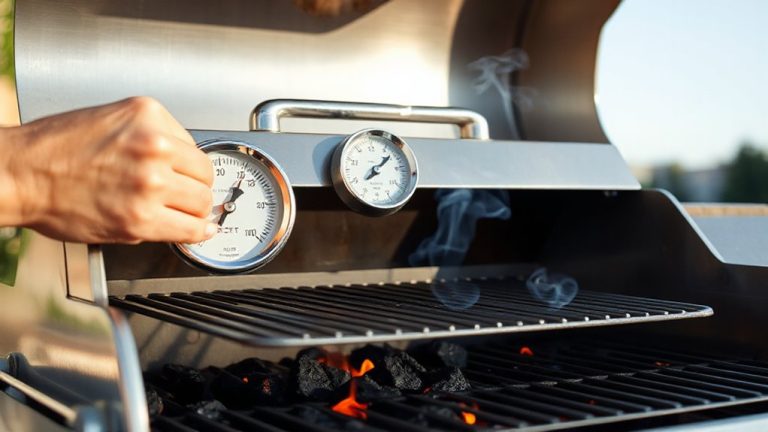
A little routine care every few uses can keep your grill running efficiently all summer long. After each cookout, perform basic grill cleaning by brushing the grates to remove food debris and checking for grease buildup in the burners and drip trays-this prevents flare-ups and guarantees even cooking. Mid-season, inspect your fuel source and connections, whether propane or natural gas, to maintain consistent temperature control. A clogged burner or dirty sensor can cause temperature fluctuations, leading to undercooked or charred food. You’ll notice better performance and flavor when doing regular checks on airflow and ignition systems. Proper temperature control isn’t just about comfort-it’s critical for food safety and cooking precision. With minimal effort, you extend your equipment’s lifespan and enjoy reliable results. Stay proactive, and your summer grilling season will remain smooth, safe, and satisfying from the first barbecue to the last. For thorough maintenance, using the right best grill cleaning tools makes a significant difference in removing stubborn residue and ensuring long-term grill performance.
Fall: Clean and Store Your Grill Safely
Once the last summer embers have cooled and the air carries a crisp edge, it’s time to give your grill the attention it deserves before tucking it away for the season. Fall cleaning isn’t just about appearances-it’s critical for performance and longevity. Start by scrubbing grates and removing grease buildup, then clear debris from burners and drip trays. For gas grills, check hoses for cracks and disconnect the propane tank safely. Charcoal models need ash fully removed to prevent moisture retention and corrosion. Once cleaned, make sure all parts are dry to avoid rust during storage. Proper fall cleaning enhances efficiency next season and reduces fire risks. Safe storage means covering with a weather-resistant cover or storing in a dry, sheltered area. If possible, store indoors to maximize protection. A well-maintained grill, prepared with safe storage in mind, performs better and lasts years longer. For optimal protection during colder months, consider investing in one of the best grill covers for winter.
Winter: Protect Your Grill During Cold Months
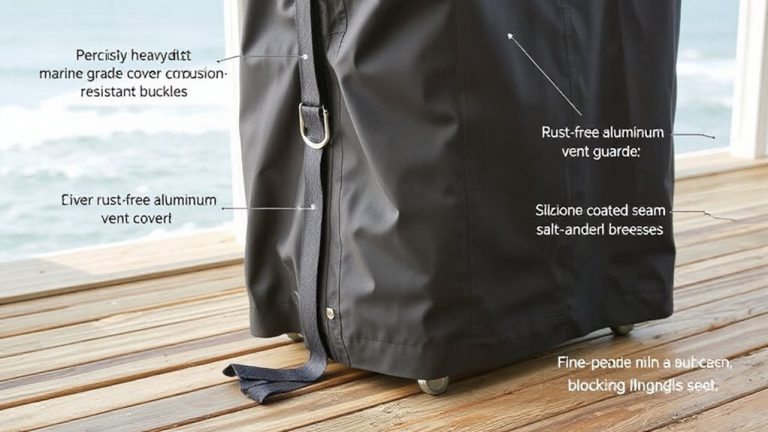
Even when snow blankets your deck and temperatures dip below freezing, your grill still faces risks that can compromise its performance down the line. Frost damage is a real threat-moisture trapped in burners, igniters, or valves can freeze, expand, and crack components, leading to costly repairs or failure come spring. You might not see it, but condensation seeps in through vents and seams, especially if your cover isn’t fully sealed. Then there’s rodent infestation: small animals seek shelter in unused grills, nesting in warm cavities and chewing through wiring or gas lines. That’s not just a nuisance-it’s a safety hazard. A tight-fitting, waterproof cover helps, but check it monthly. Elevate the grill slightly to improve airflow and discourage pests. Even during dormancy, periodic inspection prevents minor issues from turning into major malfunctions. Proper winter protection guarantees reliability, extends lifespan, and keeps your cooking equipment ready for the next season’s first sear. Choosing the right cover matters-look for durable, weather-resistant materials like polyester Oxford fabric to ensure maximum protection against snow, ice, and pests.
Match Your Maintenance to Your Grill Type
Gas, charcoal, and pellet grills each bring distinct performance traits-and equally distinct maintenance demands. If you use a gas grill, you’ll need to inspect burners and gas lines regularly, especially if your usage frequency is high. Grease buildup and clogs are common, so stainless steel grill material helps resist corrosion. Charcoal grills, often made of cast iron or porcelain-coated steel, require ash removal after every use and more frequent deep cleaning due to residue accumulation. With pellet grills, electronic components and the auger system need attention; moisture damage is a risk if left exposed. Your grill material influences how well it withstands weather and heat cycling. High usage frequency means upkeep can’t be delayed-regular inspection prevents long-term damage. Matching your maintenance routine to your grill type guarantees better performance, longevity, and safer cooking conditions all season long.
On a final note
You’ve cleaned, checked, and protected your gear-now you’re set. A seasonal maintenance routine keeps your grill performing efficiently, extends its lifespan, and guarantees safe, flavorful cooking. Whether gas, charcoal, or pellet, each type benefits from tailored care aligned with weather changes. Skipping steps risks rust, pests, or startup surprises. Invest time upfront and mid-season; you’ll see fewer repairs, better heat control, and more consistent results. Smart upkeep makes every cookout simpler, safer, and more satisfying.