How Louisiana BBQ Incorporates Cajun Spice Blends Into Dry Rubs and Injectables
You’re blending more than flavor when you use Cajun spice in Louisiana BBQ-it’s heritage on the rack. Your dry rub starts with smoked paprika, cayenne, garlic, and thyme, building layers that sear and bloom during slow cooking. For deeper impact, inject buttermilk or stock infused with the same spice base, especially in thick cuts like pork shoulder. The rub’s heat balances with the meat’s fat, letting boldness shine without overpowering. Each application honors tradition while shaping the final bark, moisture, and taste-there’s more to uncover in mastering the balance.
Notable Insights
- Cajun spice blends anchor Louisiana BBQ rubs, combining cayenne, paprika, garlic, and pepper for balanced heat and flavor.
- Authentic dry rubs use smoked paprika, brown sugar, and celery seed to enhance depth and promote caramelization on meat.
- Injection marinades infused with Cajun spices deliver flavor deep into thick cuts like pork shoulder and whole turkey.
- Spice levels are matched to meat types, with fatty cuts handling bolder blends and lean meats needing milder applications.
- Rubs and injectables work together to create complex flavor layers, especially during long smokes for brisket and ribs.
The Cultural Role of Cajun Spice Blends in Louisiana BBQ
Your backyard cookout gets a serious upgrade when you reach for a jar of authentic Cajun spice blend-because this isn’t just seasoning, it’s a cultural signature woven into the fabric of Louisiana BBQ. You’re not merely adding heat or depth; you’re tapping into a Cajun tradition shaped by generations of French, Spanish, African, and Native American influences. This blend embodies cultural fusion, balancing cayenne, paprika, garlic, and black pepper in ways that reflect both survival and celebration. When applied to brisket, sausage, or grilled catfish, it doesn’t mask the meat-it honors it. The spice mix varies by family, region, or even parish, making each batch personal yet rooted in shared history. Using it in your barbecue isn’t just about flavor; it’s a respectful nod to Louisiana’s culinary resilience. You’re not just cooking-you’re continuing a legacy. For those seeking consistency and convenience, trying best Cajun seasoning brands can offer a reliable gateway to authentic flavor profiles.
How to Make a True Cajun Dry Rub
Though some might treat store-bought blends as good enough, making a true Cajun dry rub from scratch guarantees control over flavor balance, ingredient quality, and authenticity. You’ll want smoked paprika as your base-it delivers earthy depth and that signature slow-grilled aroma. Mix in brown sugar for a touch of sweetness that helps balance heat and promotes caramelization. Add garlic powder, onion powder, cracked black pepper, cayenne, and dried thyme for complexity. A pinch of celery seed elevates the herbal note without overpowering. Your proportions matter: too much cayenne overwhelms, too little smoked paprika dulls the richness. This blend adheres well to meats and withstands long smokes, developing deeper flavor as it renders into the surface. It’s practical, reliable, and far superior to premade versions lacking freshness or balance.
Using Injection for Deep Cajun Spice Flavor
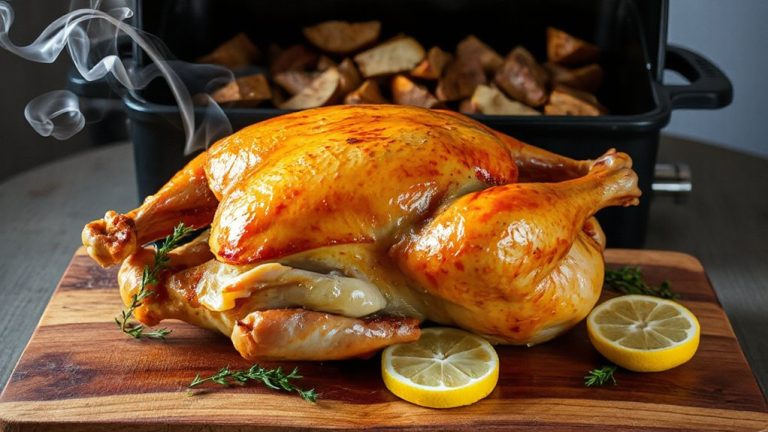
Grilling isn’t just about surface flavor-building depth means getting seasoning where dry rubs can’t reach. That’s where injection shines, delivering Cajun spice blends deep into the meat for true flavor infusion. This method beats surface seasoning by embedding moisture and spice layering from the inside out, especially in thick cuts like pork shoulder or whole turkey. You’re not just seasoning-you’re transforming texture and taste throughout. For best results, combine your injectable with buttermilk, hot sauce, or melted butter to carry those bold spices evenly. A high-quality marinade injector ensures consistent delivery and prevents clogging when using thick spice blends. Here’s a quick guide:
| Meat Type | Injection Base | Spice Blend Strength |
|---|---|---|
| Pork Shoulder | Buttermilk & Butter | High |
| Whole Chicken | Chicken Stock | Medium |
| Beef Brisket | Au Jus | Medium-High |
| Turkey Breast | Apple Cider | Low-Medium |
Precision here elevates your BBQ from good to authentically Louisiana.
Matching Cajun Spice Levels to Different Meats
While some may assume heat is the defining trait of Cajun spice, it’s really about balance-matching the intensity of your blend to the meat’s richness and cooking time. You’re aiming for a thoughtful spice pairing that enhances, not overwhelms. With fatty cuts like pork shoulder, a robust blend works well-long smoke times and high fat content absorb bold flavors. Leaner meats, like chicken thighs or sirloin, need a lighter hand; too much heat drowns their subtlety. Consider meat grading, too-higher marbling supports stronger spices. For tenderloin or brisket flat, where flavor penetrates slowly, moderate heat with aromatic paprika and garlic guarantees depth without burn. It’s not just tradition-it’s technique. You’ll find success when you treat spice level as a tool, calibrated to texture, fat distribution, and smoke exposure. For consistent results, choose a high-quality Cajun seasoning blend that balances heat, salt, and herbs.
Cajun Rub Applications: From Ribs to Brisket
You’ve already matched your Cajun spice blend to the meat’s fat content and cooking style, so now it’s time to see how that seasoning performs across different cuts during application. For ribs, rub layering builds depth-apply a light coat, let it set, then add a second for complexity. Brisket, with its long cook time, benefits from spice blooming; oils in the rub react with heat, releasing bold aromas early and mellowing into the bark. Pulled pork takes a balanced approach-enough heat to stand out, but not overpower.
| Cut | Emotion Evoked | Reason |
|---|---|---|
| Ribs | Anticipation | Smell of smoke and spice |
| Brisket | Satisfaction | Tender, layered flavor |
| Pulled Pork | Comfort | Familiar warmth, slow-cooked |
On a final note
You’ll find Cajun spice blends elevate Louisiana BBQ by layering heat, earthiness, and aroma into dry rubs and injectables. When applied properly, these blends penetrate meat, enhancing flavor without overpowering. Matching spice intensity to the cut-mild for brisket, bold for ribs-ensures balance. Mastery comes from understanding how cayenne, paprika, garlic, and black pepper interact during slow cooking, yielding results that are both authentic and consistently flavorful across various smokers and techniques.