Vegetarian Chili in a Dutch Oven: Low-Fuel Backpacking Method
Prep your beans and veggies at home by presoaking and partially cooking them to cut fuel use on the trail. Use a lightweight Dutch oven made of seasoned cast aluminum or carbon steel-it retains heat well and performs reliably over low-BTU stoves. Sauté onions, peppers, and garlic first to build flavor efficiently, then simmer with the lid on to trap heat and reduce fuel consumption. Clean it quickly while warm using a silicone scraper and hot water, avoiding soap to preserve the seasoning. You’ll find even more ways to optimize your backcountry meals with smart gear and prep.
Notable Insights
- Pre-soak and partially cook beans to reduce fuel-intensive cooking time in the backcountry.
- Use a lightweight Dutch oven made of cast aluminum or carbon steel for efficient heat retention.
- Sauté finely chopped onions, peppers, and garlic first to build flavor without extra fuel waste.
- Keep the lid on during simmering to trap heat, reduce fuel use, and maintain moisture.
- Clean the warm Dutch oven with hot water and a brush immediately to preserve seasoning and prevent rust.
Prep Beans and Veggies Before You Hit the Trail
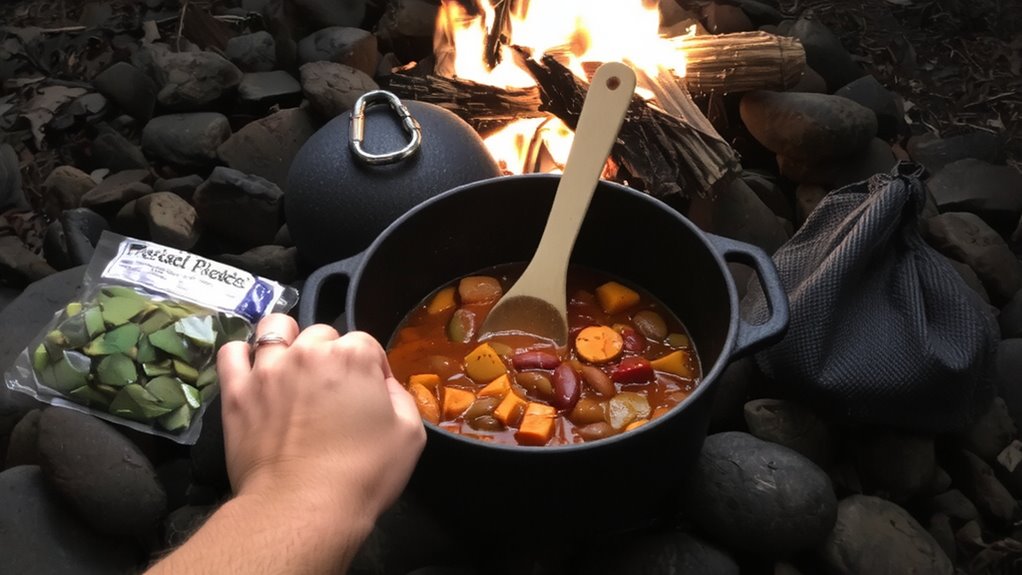
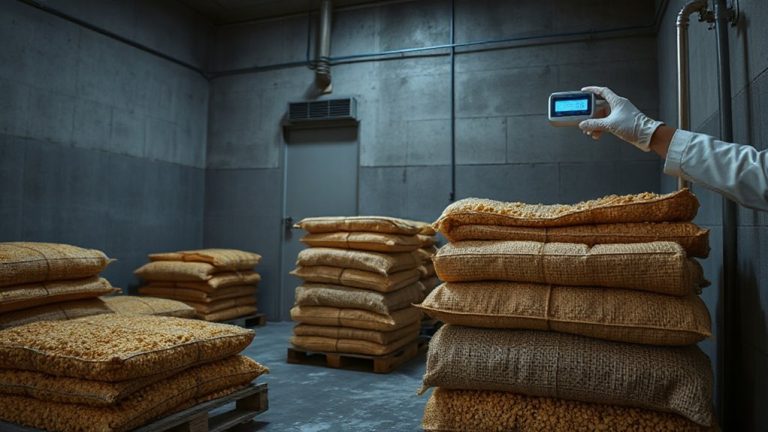
If you want to save time and reduce hassle once you’re on the trail, prepping your beans and vegetables at home is the way to go. You’ll cut cooking time considerably by choosing to pre soak beans-they hydrate evenly and soften faster over a small backpacking stove. Skipping this step means longer boil times and wasted fuel. Once soaked, drain and partially cook them before dehydrating or packing in vacuum-sealed bags. For veggies like onions, peppers, and carrots, chop finely so they integrate quickly into the chili without prolonged simmering. Finely diced pieces also maximize flavor release and minimize texture disparities in the final dish. Doing this prep work at home, where cutting boards and storage are plentiful, guarantees consistency and efficiency. It may take extra minutes upfront, but on the trail, that investment translates into faster meals, better fuel economy, and more enjoyment around camp-critical advantages when resources are limited.
Use a Lightweight Dutch Oven for Backpacking
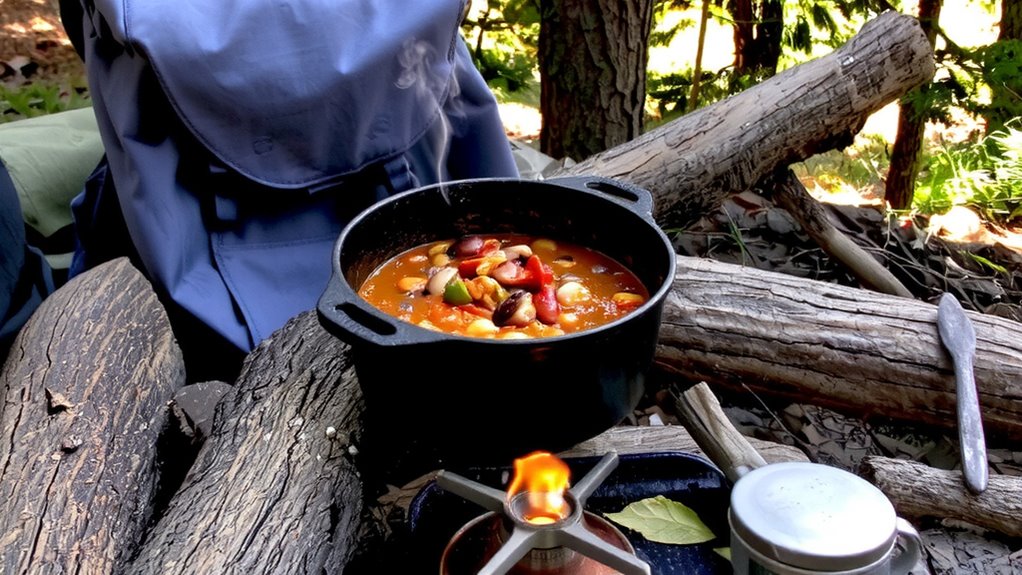
You’ve already saved time by prepping your beans and veggies at home, so why not complete the system with a cooking vessel that matches your efficiency? A lightweight Dutch oven made from seasoned cast aluminum or carbon steel strikes the perfect balance between durability and packability. These models offer excellent heat retention, ensuring your chili cooks evenly over a small flame, while reducing the need for constant fuel adjustments. Better heat retention means you can simmer efficiently, even at altitude or in wind, boosting overall fuel efficiency. Unlike heavier cast iron, these backcountry-friendly ovens won’t strain your pack but still deliver consistent results. They resist hot spots and respond well to low-BTU stoves, making them ideal for minimalist setups. Choose one with a tight-fitting lid and manageable handle design for easy handling with gloves. With proper care, it’ll last seasons, proving that smart gear choices amplify your performance without adding weight.
Sauté Aromatics First for Maximum Flavor
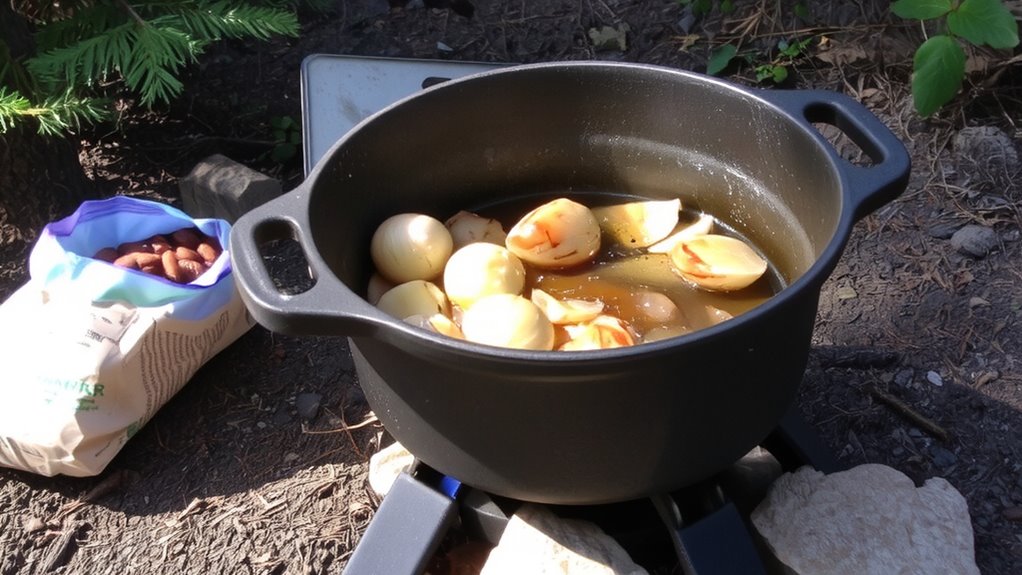
Though it might seem like a small step, sautéing your aromatics-onions, garlic, and peppers-before adding liquids can make a noticeable difference in the depth of your chili’s flavor, especially when cooking in the backcountry where fuel and time are limited. You’ll want to give the onions a few minutes to soften and develop a tender onion texture without browning too quickly over a low flame. This builds a solid flavor base without consuming excess fuel. Pay close attention to garlic timing-it burns easily over direct heat, so add it in the last minute of sautéing to preserve its aroma and complexity. Using your lightweight Dutch oven efficiently, this method guarantees bold, layered taste in fewer steps. The even heat distribution helps maintain control, making it easier to balance browning with fuel conservation. Skipping this step may save a few minutes, but you’d sacrifice richness that defines a truly satisfying backcountry meal.
Simmer Chili With Lid on to Save Fuel
Once the aromatics have softened and released their fragrance, it’s time to let the chili develop its full character with a steady, controlled simmer. You’ll want to keep the Dutch oven’s lid on tight-this simple step boosts heat retention and slashes fuel use. With the lid in place, steam circulates back into the pot, helping ingredients cook evenly while minimizing the need for constant heat. That means you can turn down the flame or use fewer coals, directly improving fuel efficiency. You’ll notice less evaporation too, so your chili stays moist without needing frequent stirring or topping off with water. In real trail conditions, this method proves reliable across varied elevations and temperatures. Compared to uncovered simmering, which demands near-constant monitoring and adjustment, the covered approach is simply smarter. It’s a small action with big returns: better energy conservation, consistent cooking, and more warmth saved for when you really need it.
Clean Your Dutch Oven Fast On the Go
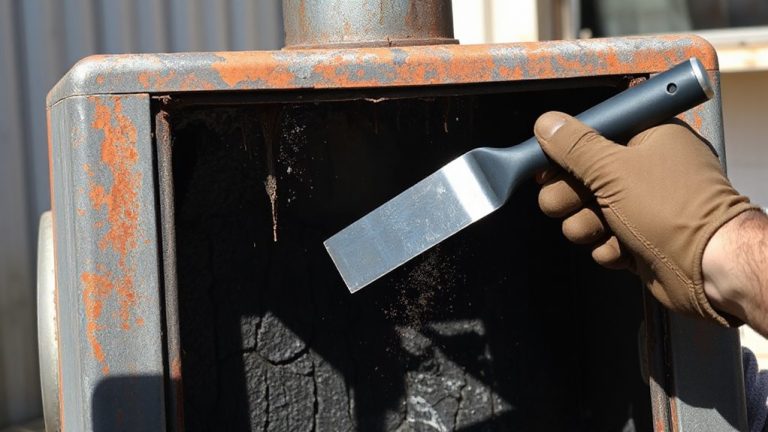
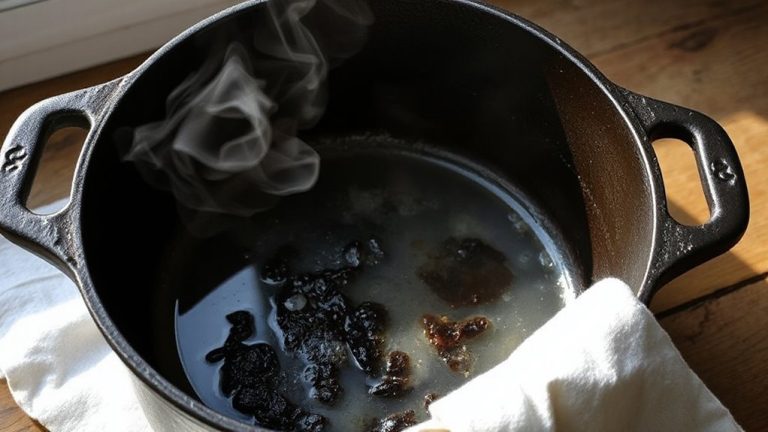
After a satisfying meal, cleaning your Dutch oven promptly keeps it in top condition without dragging out the task. Scrape residue while the pot is still warm-this prevents stubborn sticking and cuts cleaning time markedly. Use a silicone scraper or stiff brush to gently remove food particles without damaging the seasoning. Avoid soap if you’re maintaining a natural patina; it can strip the polymerized oil layer essential for non-stick performance. Once scraped, rinse quickly with hot water, swirling to flush out loosened debris. If near a stream, use a small amount of biodegradable soap downstream, but this should be rare. Dry immediately with a cloth or over low heat to prevent rust. A well-maintained Dutch oven lasts decades, making swift, informed cleaning critical. Fast cleanup means less fuel, weight, and hassle-ideal for backpacking efficiency and long-term reliability in outdoor cooking.
On a final note
You’ll save fuel and boost flavor by prepping beans and veggies ahead. A lightweight Dutch oven works efficiently over small fires, and sautéing aromatics first deepens taste without extra resources. Keeping the lid on while simmering traps heat, cutting cooking time. This method balances performance and practicality, making one-pot meals viable even on long trips. Clean-up is quick with minimal water, preserving supplies. Overall, smart prep and gear maximize efficiency in backcountry cooking.