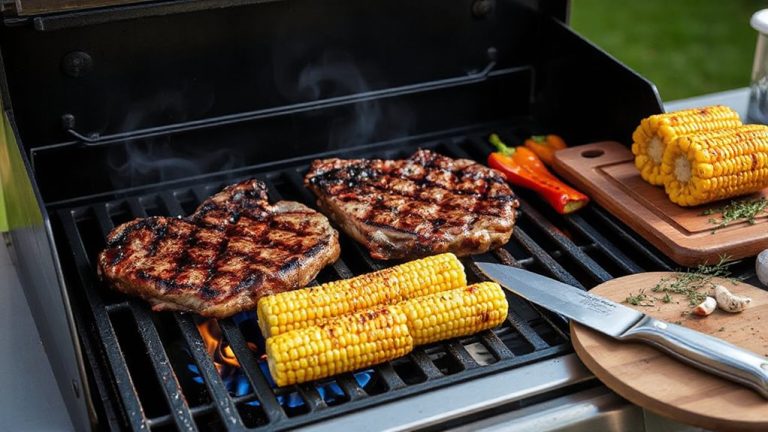
The Comprehensive Guide to Using Natural Gas in Your Outdoor Kitchen Range
You get precise flame control and consistent heat with a natural gas outdoor range, making searing and simmering more reliable than charcoal or electric. Always secure permits and plan your gas line route professionally to guarantee safety and efficiency. Use proper fittings and leak tests during installation, then maintain burners and ports regularly to prevent clogs. With the right setup, your system delivers steady performance-knowing how each component functions deepens your ability to optimize it.
Notable Insights
- Install a natural gas range outdoors with proper permits and compliant gas line routing for safety and performance.
- Use a conversion kit and certified fittings to connect your range, ensuring optimal flame control and efficiency.
- Test for gas leaks regularly using a soapy water solution to detect bubbles at all connection points.
- Maintain consistent performance by cleaning burners weekly and inspecting venturi tubes monthly for debris.
- Protect the range from weather with a custom cover to prevent corrosion and extend its lifespan.
Choose the Right Natural Gas Outdoor Range
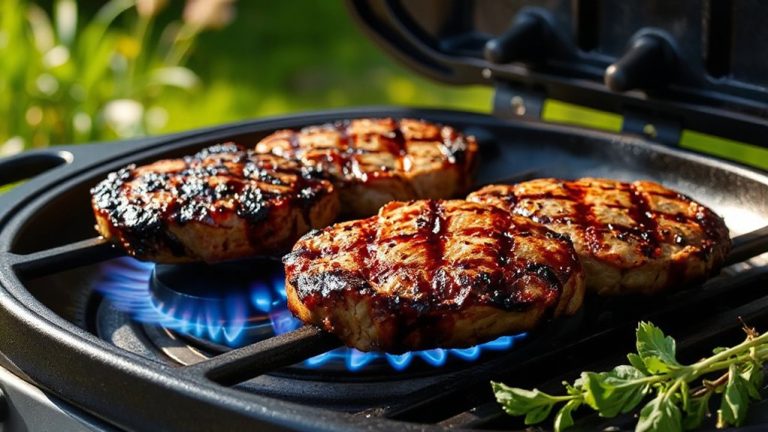
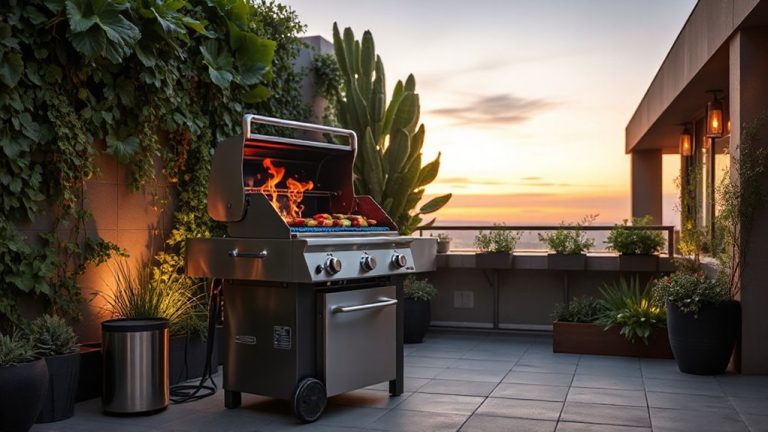
Why settle for a basic grill when your outdoor kitchen can feature a professional-grade natural gas range? You’ll enjoy superior cooking performance with precise flame control, consistent heat distribution, and faster preheating than charcoal or electric models. Natural gas ranges deliver steady BTU output, allowing you to sear, simmer, or sauté without temperature swings. Plus, their fuel efficiency means you get more usable heat per dollar compared to propane-no refilling tanks, just continuous flow. When choosing a model, look for stainless steel burners and brass valves for durability and responsiveness. Consider burner count and layout based on how you cook-whether it’s multi-dish entertaining or simple weeknight meals. Built-in models integrate seamlessly with countertops and offer better long-term value. With minimal maintenance and reliable ignition systems, these ranges support both high-volume grilling and delicate techniques. You’re not just upgrading your setup-you’re optimizing for performance, economy, and ease.
Get Permits and Plan Your Gas Line
Since installing a natural gas outdoor range ties directly into your home’s gas supply, you’ll need to secure the proper permits before any work begins-this isn’t a DIY job you can skip through. Local authorities enforce gas regulations to guarantee safety, and skipping steps risks leaks, fines, or failed inspections. You’ll also need to review installation zoning rules, which dictate where gas lines can run and how far appliances must be from structures or property lines. These codes exist for good reason-proper placement minimizes fire hazards and guarantees ventilation. A licensed professional should map the gas line route, considering distance, terrain, and appliance input requirements. Planning now avoids costly changes later. While the process seems tedious, adhering to regulations means reliable, efficient performance for years. Reliable fuel delivery supports consistent heat control, essential for serious outdoor cooking. Cut corners, and you risk safety, functionality, and long-term enjoyment.
How to Connect Your Range to Natural Gas
How do you guarantee your outdoor range delivers the steady, responsive heat high-end cooking demands? You connect it properly to a natural gas line using the right components. If your range wasn’t built for natural gas, you’ll need conversion kits-they adjust the burner orifices and gas pressure settings for peak performance. Never skip this step; improper fuel delivery affects flame quality and efficiency. Use only certified gas fittings made of brass or stainless steel to guarantee durability and leak resistance. Teflon tape or pipe dope on threaded joints helps seal connections, but over-tightening can damage fittings. Always follow the manufacturer’s instructions-each range model has specific requirements. While DIY installation might seem cost-effective, improper connections risk safety and performance. Gas fittings and conversion kits aren’t mere accessories; they’re essential for precision and reliability in outdoor cooking.
Inspect Your Gas Line for Leaks and Safety
What good is a powerful outdoor range if your gas line puts your backyard at risk? You need to inspect your gas line regularly to guarantee safety and performance. Check for signs of wear, especially at connection points where leaks often start. Use a soapy water solution to test for bubbles when the gas is on-this reveals even small leaks. Proper gas pressure is essential; too high and you risk flare-ups, too low and your burners won’t perform well. Over time, exposure to moisture increases corrosion risk, particularly in coastal areas or humid climates. Metal lines degrade faster without protective coatings, so consider corrosion-resistant materials during installation. Don’t rely on smell alone-odorants in gas can fade. Routine visual checks and pressure tests by a qualified technician give you long-term confidence. Safety isn’t just code compliance-it’s peace of mind while you cook.
Maintain Your Outdoor Natural Gas Range
Keeping your outdoor natural gas range in top shape starts with consistent, straightforward maintenance that protects both performance and longevity. You’ll want to follow simple cleaning tips, like wiping down burners after each use and removing grease buildup weekly to prevent clogs and flare-ups. Monthly, inspect the venturi tubes and gas ports for debris-spiders and dust love to nest there. For weather protection, always use a custom-fitted cover; it shields sensitive components from rain, UV rays, and temperature swings. Stainless steel resists corrosion, but even quality materials degrade without proper care. A well-maintained range delivers steady flame control and even heating, essential for precise outdoor cooking. Skipping maintenance risks inefficient burns, uneven temperatures, and costly repairs down the line. With routine attention, your setup stays reliable season after season, making grilling and searing more enjoyable and effective.
On a final note
You’ve chosen a reliable, efficient option with a natural gas outdoor range. It delivers consistent heat, eliminates fuel refills, and integrates well into most kitchen layouts. With proper installation and routine upkeep, your system should perform safely for years. While setup demands planning and attention to codes, the long-term convenience and cooking precision make it worthwhile for serious outdoor chefs.