Choosing the Right Grill for Your Vegetarian Barbecue Needs
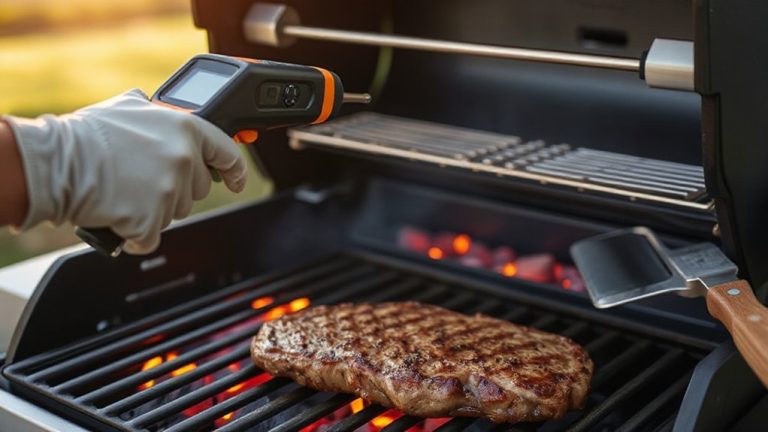
You’ll want a grill that balances flavor and control when cooking vegetables. Gas gives quick start-ups and steady heat, ideal for week Hp night meals, while charcoal delivers deeper smokiness perfect for slow-grilled peppers or eggplant. Aim for 350–400 square inches of cooking space to manage heat zones effectively. Use grill baskets and metal skewers to prevent sticking and guarantee even cooking. For the best results, matching your setup to your meal’s demands makes all the difference-details on optimizing every session follow.
Notable Insights
- Choose gas grills for quick, consistent heat control ideal for weeknight vegetarian cooking.
- Opt for charcoal if smoky flavor from wood chunks is a priority for vegetables.
- Select a grill with 350–400 square inches for versatile cooking space suited to most plant-based meals.
- Create multiple heat zones to properly grill dense, medium, and delicate vegetables at once.
- Use grill baskets and metal skewers to safely cook small or fragile vegetables over open flames.
Gas vs. Charcoal: Which Grill Is Best for Vegetables?
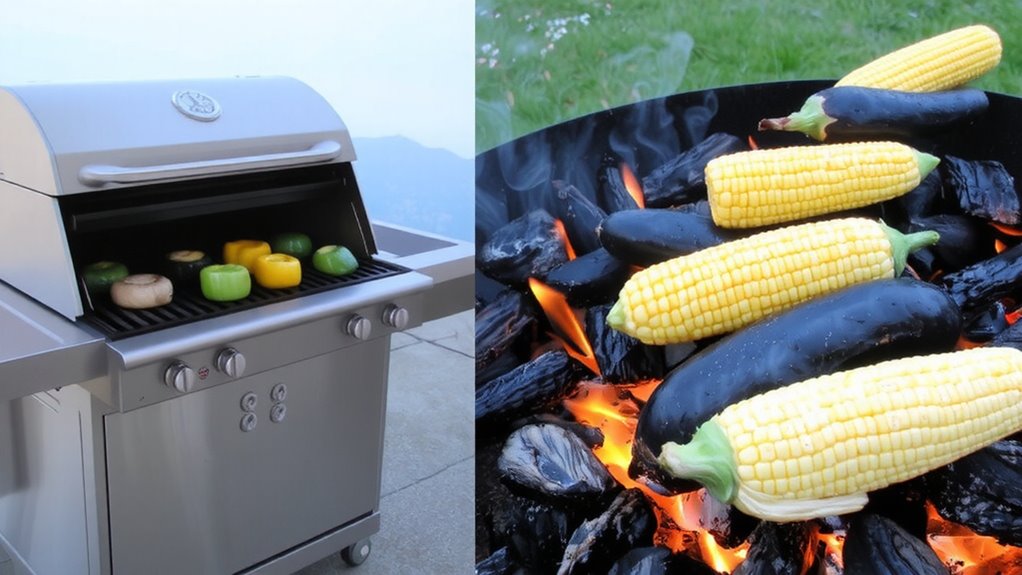
While both gas and charcoal grills can produce great results, your choice will largely depend on what kind of control and flavor you’re after when grilling vegetables. If you value cooking precision, gas is your best bet-consistent heat, quick start-up, and easy adjustments let you manage delicate veggies like zucchini or mushrooms without guesswork. You can maintain steady temps, reducing the risk of charring or uneven cooking. Charcoal, though, delivers unmatched flavor intensity, especially with smoky wood chunks added. That deep, charred essence enhances eggplant, peppers, and portobellos beautifully. The trade-off? Less precise heat control and a longer preheat. Charcoal demands more attention, but for bold taste, it’s worth the effort. Gas suits weeknight simplicity; charcoal shines when you’ve got time to savor process and result. Your priority-convenience or richness-ultimately guides the decision. For those leaning toward precision and ease, consider one of the best gas grills for consistent performance and advanced temperature control.
How Big Should Your Vegetarian Grill Be?
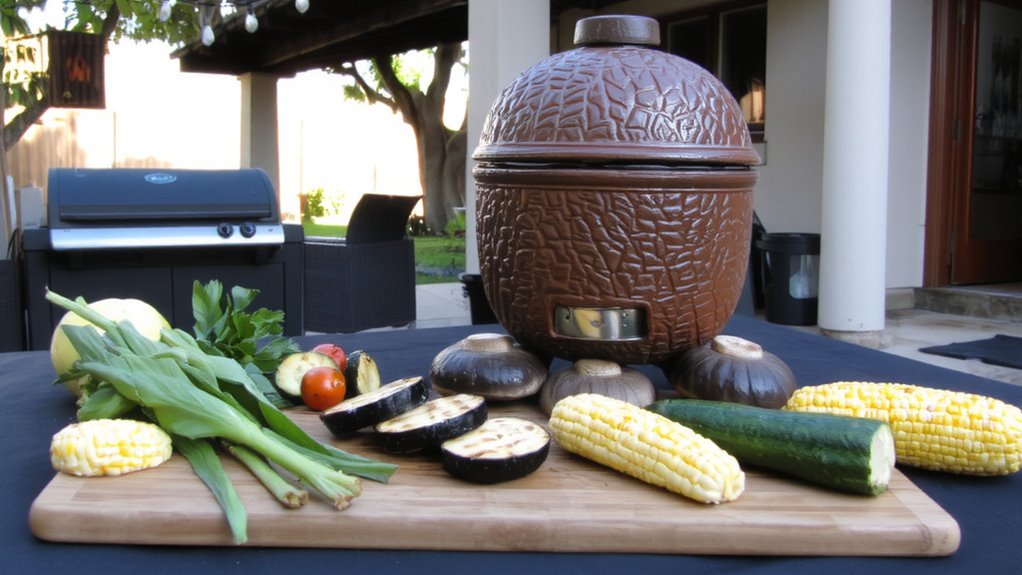
How much space do you really need to grill vegetables well? It depends on your usual serving capacity and how often you host. For small households or couples, a compact grill size of 200–300 square inches is plenty, offering enough room for zucchini, bell peppers, and mushrooms without wasted space. But if you regularly entertain groups, aim for 400–500 square inches to maintain efficiency. Larger grills provide better zoning, letting you manage delicate items alongside heartier vegetables. Still, bigger isn’t always better-oversized grills can be harder to heat evenly and use more fuel. Consider how frequently you cook and how much counter space you have. A mid-sized grill around 350–400 square inches often strikes the ideal balance, giving you flexibility without overcomplicating cleanup or temperature control.
Control the Heat: Why Temperature Matters for Veggies
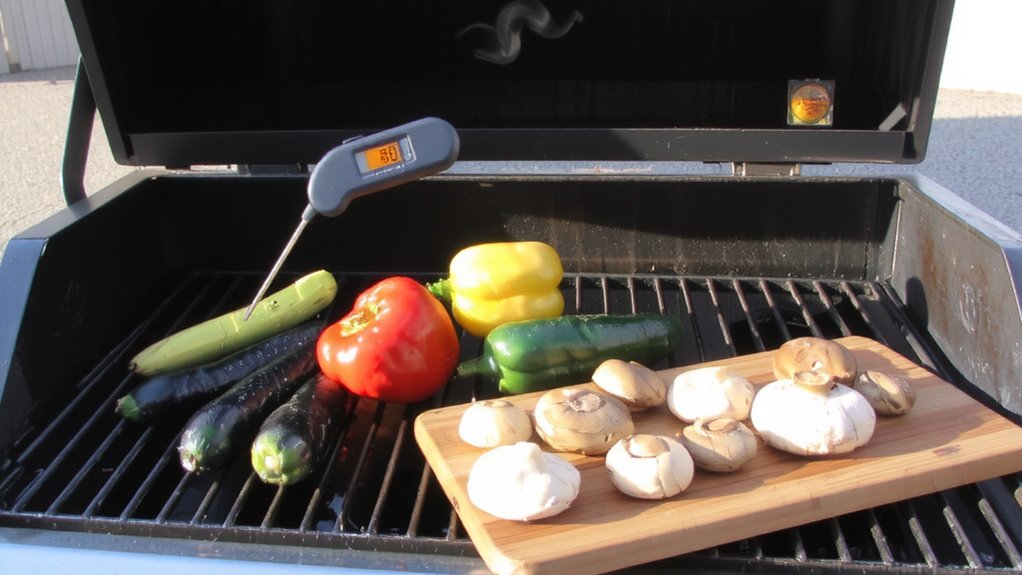
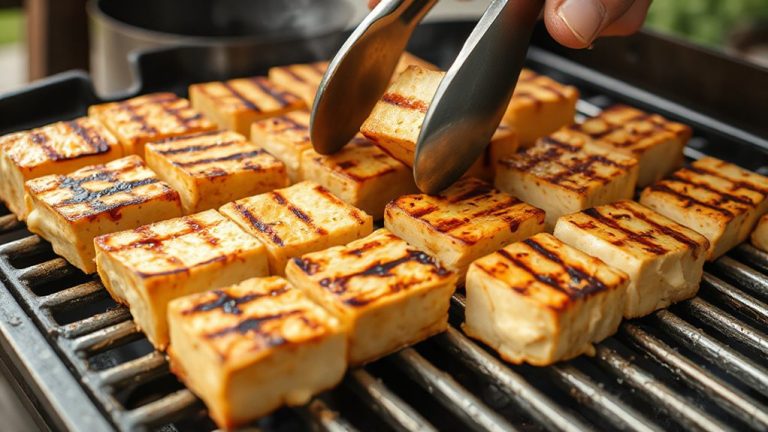
Since vegetables vary widely in density and moisture content, getting the heat just right can mean the difference between tender-crisp perfection and a charred or soggy mess. That’s where heat zones come in-they give you control. You’ll want high heat for searing sturdy veggies like zucchini or bell peppers using direct grilling, but gentler warmth for mushrooms or tomatoes to avoid burning. Mastering your grill’s temperature layout lets you move food as needed, mimicking stove-top versatility.
| Vegetable Type | Ideal Method |
|---|---|
| Dense (carrots, potatoes) | Direct grilling, high heat |
| Medium (peppers, onions) | Direct grilling, medium heat |
| Delicate (tomatoes, greens) | Indirect heat, low temp |
Understanding heat zones guarantees even cooking and better texture. Direct grilling brings flavor, but without temperature control, it risks ruining tender items.
Must-Have Accessories for Grilling Plant-Based Meals
If you’re serious about grilling vegetables and plant-based proteins, the right tools can transform your results from haphazard to restaurant-quality. Grill baskets are essential-they prevent small or delicate items like mushrooms or zucchini slices from falling through the grates while allowing even heat exposure and smoke infusion. Look for ones with cool-touch handles and fine mesh for stability. Vegetable skewers, meanwhile, offer control and presentation, especially for cubed produce or halloumi-style plant cheeses. Metal skewers distribute heat better than wood and eliminate the need for pre-soaking, though flat designs prevent spinning and guarantee even charring. Both accessories improve rotation and flipping, reducing breakage during handling. While grill baskets suit quick-cooking veggies, skewers excel with marinated or high-moisture ingredients needing structural support. Investing in durable, easy-to-clean versions saves time and enhances flavor development. Together, these tools extend your grilling precision, making them indispensable for consistent, appealing plant-based barbecue results. For top performance, consider one of the best grill baskets based on material, design, and heat distribution.
Convenience or Flavor? Choosing Your Vegetarian BBQ Setup
What makes a vegetarian barbecue truly satisfying-speed and ease, or depth of flavor and char? If you value convenience, gas grills offer quick startup and consistent heat, letting you focus on grilling vegetables without fuss. They score high in fuel efficiency, using propane or natural gas economically, and require minimal grill maintenance-just occasional wiping and burner checks. But if you crave rich, smoky notes, charcoal or wood-fired grills deliver superior flavor, searing portobellos or zucchini with a distinctive char. These demand more effort: ash cleanup, precise airflow control, and diligent grill maintenance to guarantee performance. Pellet grills strike a middle ground, blending automated temperature control with wood-infused taste, though they’re less fuel-efficient over long sessions. A budget-friendly option like a best budget smoker can also provide deep, smoky flavor without breaking the bank. Ultimately, your choice depends on whether you prioritize ease or depth-each setup shapes the experience, so pick based on how you cook and what you’re willing to maintain.
On a final note
You’ve seen how gas offers quick heat control, ideal for delicate vegetables, while charcoal delivers smoky depth that enhances heartier plant-based foods. Size matters less than even heat distribution and cooking surface compatibility with veggies. With the right tools-grill baskets, thermometers, and plant-safe oils-you’ll achieve consistent, flavorful results. Ultimately, your setup should match your priorities: convenience or rich flavor, backed by practical maintenance and performance you can rely on weekly.