The Impact of Temperature Control on Flavored Meat Dishes: A Guide to Crafting Ultimate Grilled Recipes
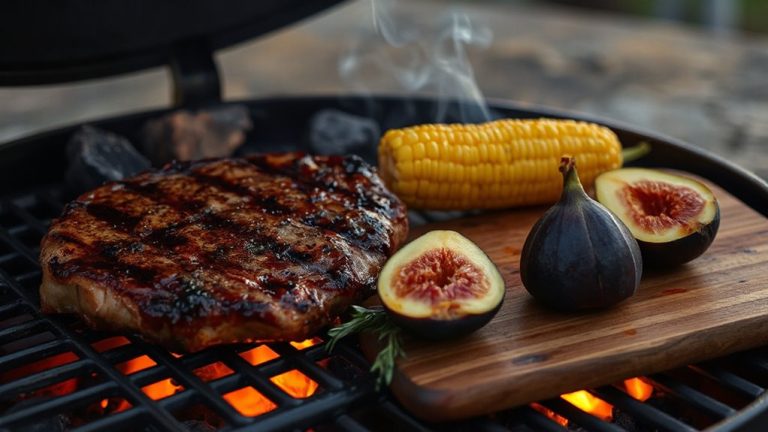
You’re grilling better when you control the heat-precise temperatures trigger the Maillard reaction for rich flavor and a crisp crust. Too hot, and your meat chars before the inside cooks; too low, and you miss that savory depth. Marinades sink in deeper with balanced heat, while sugary glazes need late application to avoid burning. Match the protein to the zone: sear steaks hot, slow down for brisket. Get it right, and every bite proves how much temperature shapes taste-there’s more to mastering than heat alone.
Notable Insights
- Precise temperature control enables the Maillard reaction, enhancing flavor and crust development in grilled meats.
- Matching heat levels to meat thickness and cut ensures even cooking and optimal flavor penetration from marinades.
- High heat sears tender cuts quickly, locking in juices and amplifying savory notes without overcooking.
- Low and slow cooking at 225–275°F breaks down collagen in tough cuts, yielding tender, flavorful results.
- Sugary glazes and spice rubs require timed application to prevent burning and preserve flavor complexity.
Why Temperature Control Makes or Breaks Flavor
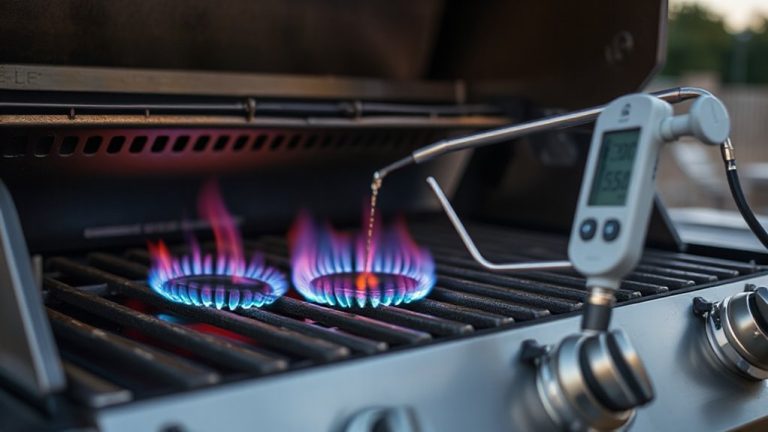
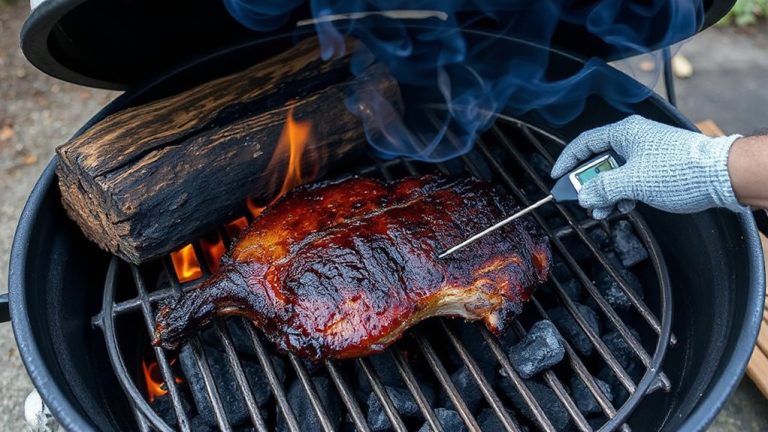
Why does one cut of grilled meat taste succulent and rich while another turns out dry and lackluster, even when seasoned the same way? The answer lies in precise temperature control. When you manage heat effectively, you trigger the Maillard reaction-those complex chemical changes that create deep, savory flavors and a beautifully browned crust. But go too hot, too fast, and the exterior chars before the inside cooks, killing moisture retention. Too low, and you miss that essential browning entirely. Balanced heat lets the proteins break down gradually, preserving internal juices. You’re not just cooking; you’re engineering flavor and texture. Mastery means using consistent zones, whether charcoal or gas, and understanding how thickness affects conduction. Temperature control isn’t optional-it’s the core skill separating good grilled meat from great. Without it, even the best cut fails. Achieving this precision is easier with the right tool, such as a reliable meat thermometer that ensures your internal temperatures are spot-on every time.
How Temperature Affects Marinades
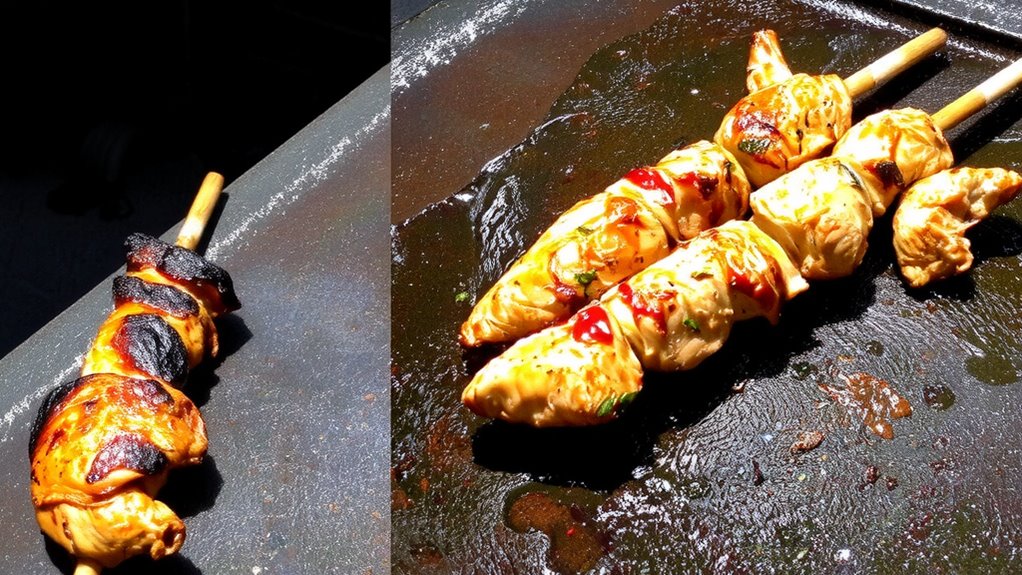
When you’re using a marinade to boost flavor and tenderize meat before grilling, the temperature you cook at plays a crucial role in how well those efforts pay off. Too high, and the exterior chars before marinade diffusion fully occurs, leaving the center flavorless. Ideal heat allows the marinade to penetrate gradually, enhancing taste and texture. You’ll also face acid denaturation if you’re not careful-prolonged exposure to acids like vinegar or citrus can prematurely “cook” the surface, making it mushy if grilled too slowly. But at the right temperature, that same reaction tenderizes just enough. Low to medium heat supports deeper absorption without sacrificing structure, while searing locks in juices after proper marination. You’re balancing chemistry and timing: diffusion maximizes flavor, while controlled heat manages protein breakdown. Master this, and your grilled dishes won’t just taste better-they’ll reflect precision, where science and tradition meet on the grill.
Match the Meat to the Heat: Ideal Grilling Temperatures by Protein
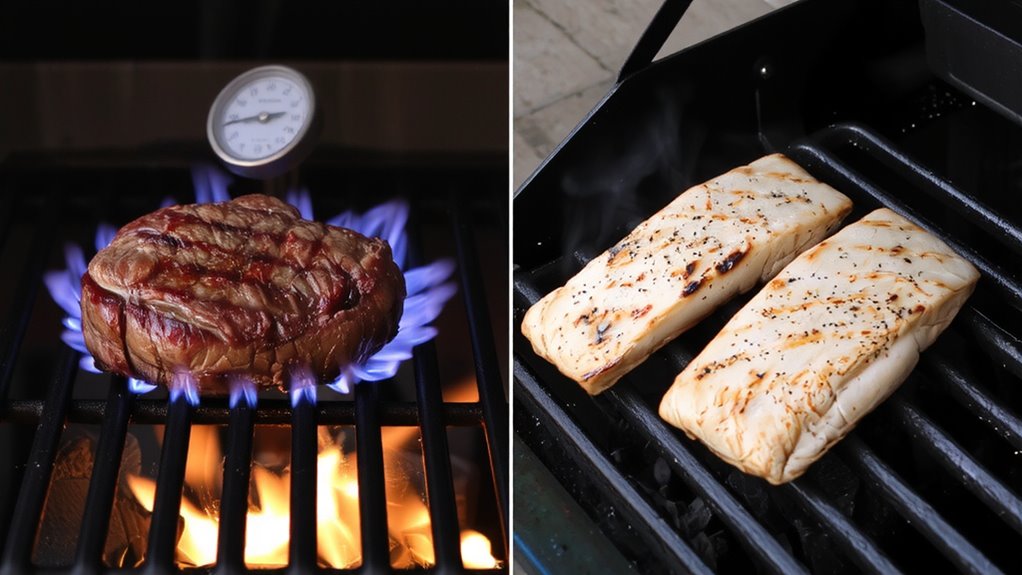
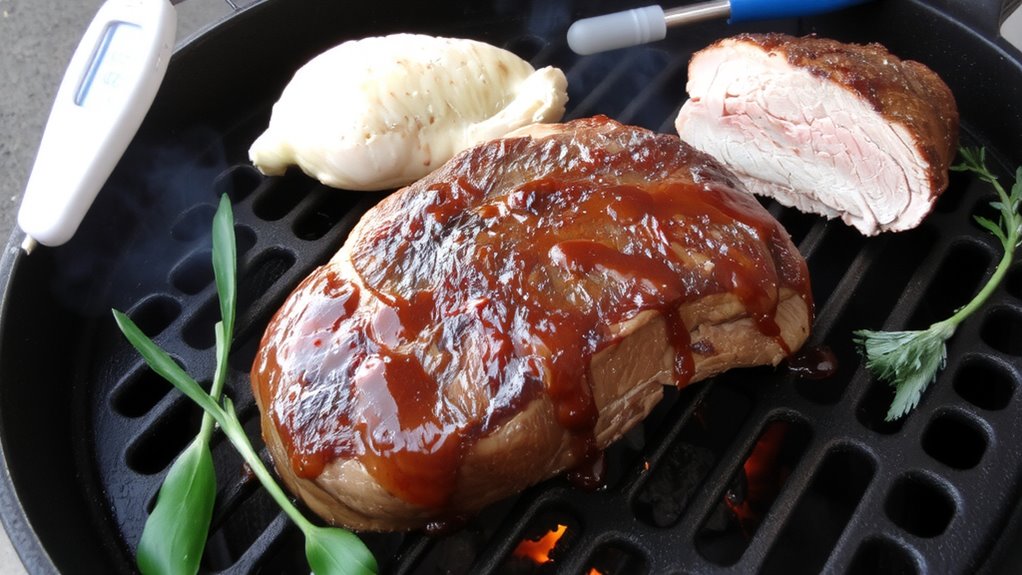
Think of your grill as a precision tool, not just a flame beneath meat-because matching protein to heat transforms good grilling into great. Your meat selection directly influences the ideal grilling temperature: tender cuts like ribeye or chicken breast sear best over high heat (400–450°F), locking in juices and enhancing flavor. Thicker or tougher proteins, such as brisket or pork shoulder, need lower temps (225–275°F) for even cooking and tenderness. Accurate grill calibration guarantees these ranges are consistent-without it, you risk undercooking or drying out your meat. A well-calibrated grill paired with smart meat selection makes all the difference. Lean proteins over high heat demand attention, while fattier cuts thrive with patience. You’re not just cooking; you’re managing heat dynamics. Master this balance, and your results shift from hit-or-miss to consistently outstanding, elevating every backyard cookout with reliable, restaurant-quality outcomes. For precise readings, using a high-quality digital instant-read thermometer is essential.
Searing vs. Slow Cooking: Temperature Strategies for Flavor
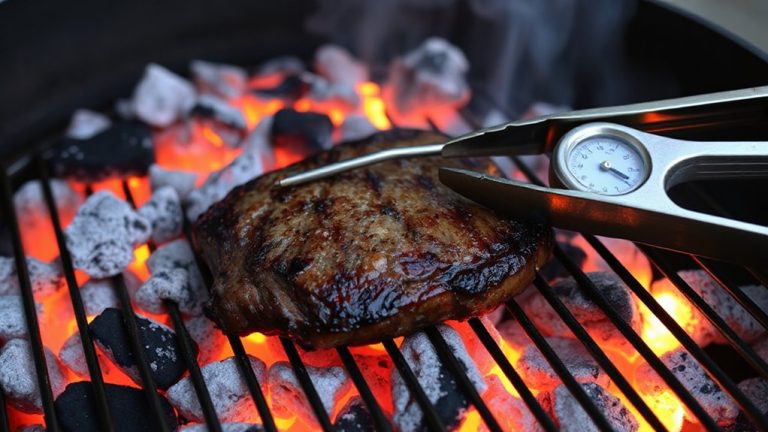
While high heat sears in juices and builds a rich crust, low and slow cooking breaks down tough fibers, revealing depth you can’t rush-so choosing between searing and slow cooking isn’t just about temperature, it’s about intention. You use high heat when you want bold Maillard reactions, locking in moisture and creating complex flavor fast-perfect for steaks or chops. But for tougher cuts like brisket or pork shoulder, low heat over hours softens collagen into gelatin, yielding tender, succulent results. High heat demands attention; a second too long and you risk charring instead of caramelizing. Low heat grants more forgiveness, allowing smoke and spice to penetrate gradually. You’re not just cooking-you’re guiding the meat’s transformation. Whether you sear for intensity or simmer for depth, your strategy shapes the dish’s soul. Match your method to your cut, and you’ll master flavor control every time. For beef, selecting the right best BBQ beef cuts ensures optimal results no matter your cooking method.
Common Temperature Mistakes With Seasoned Meats
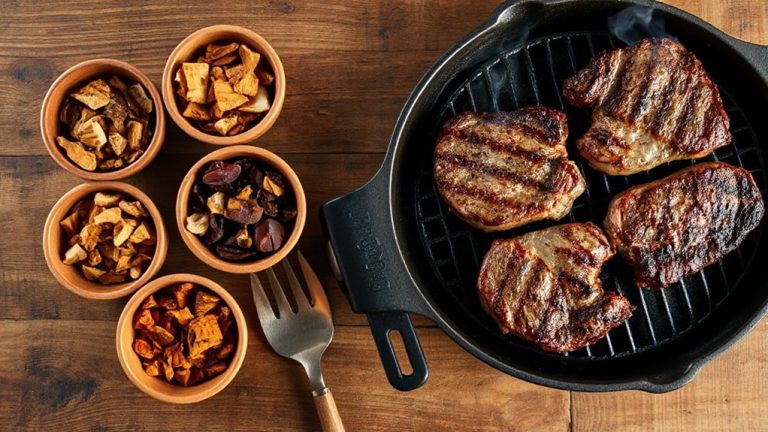
You’ve already considered how searing locks in flavor or how slow cooking transforms tough cuts, but even the best strategy can fail if temperature isn’t managed after seasoning. Overheating spices is a common misstep-many rubs contain sugar or paprika that burn easily, turning bitter above 350°F. Applying seasoning too early on a scorching grill ruins the crust you’re aiming for. Uneven browning often results from inconsistent heat zones or overcrowding the grate, leaving some areas underdeveloped while others char. You want radiant heat balanced with controlled convection, especially when using wood or charcoal. Monitoring surface temperature with an infrared thermometer helps prevent these issues. Preheating properly and maintaining a stable cooking environment guarantees spices enhance, not hinder, the meat’s flavor. Adjust airflow and fuel placement to sustain ideal conditions, because precision after seasoning matters just as much as the rub itself.
How Carryover Cooking Affects Final Doneness
Since heat continues to penetrate meat even after it’s removed from the grill, carryover cooking plays a critical role in reaching the final doneness, and ignoring it can push a perfect medium-rare into well-done within minutes. You need to account for carryover carryover, especially with thicker cuts, as internal temperatures can rise 5–10°F during the resting period. This occurs because residual heat moves from the surface toward the center, equalizing temperature. A proper resting period-typically 5 to 10 minutes-doesn’t just prevent overcooking; it allows juices to redistribute, enhancing texture and flavor. Skipping this step risks dry, uneven results. Larger roasts or well-insulated meats experience more significant carryover due to thermal mass. Monitoring final temperature after the resting period gives the true reading of doneness. Smart grilling means pulling meat just before it hits target temp, trusting carryover to finish the job. It’s not guesswork-it’s science.
Pro Tips for Spices, Rubs, and Glazes
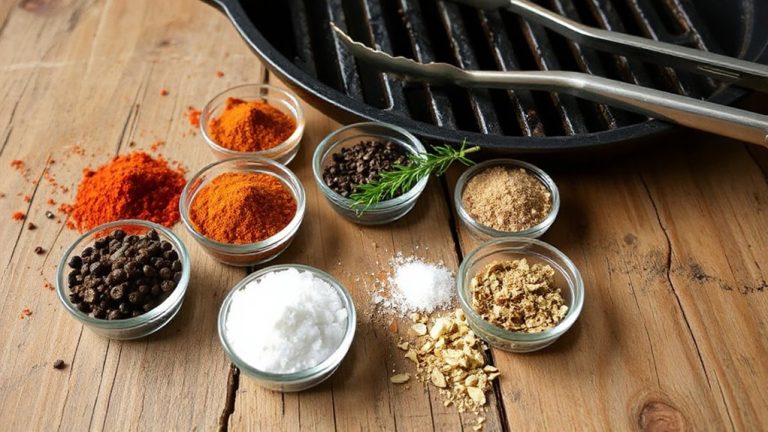
If you’re looking to elevate your grilled meats beyond basic seasoning, mastering the use of spices, rubs, and glazes can make a decisive difference in flavor depth and crust development. Spice layering-applying spices at different stages-builds complexity; for instance, a dry rub before cooking enhances surface texture and initial taste, while adding ground spices during the last minutes integrates more aromatic notes. You should let meat rest with its rub for at least an hour, or ideally overnight, to promote deeper flavor penetration. When it comes to glaze timing, apply sweet or sugar-heavy glazes too early and they’ll burn under high heat. Instead, brush them on during the final 10–15 minutes to achieve a glossy, caramelized finish without char. Proper spice layering and smart glaze timing don’t just add flavor-they transform grilled dishes into balanced, professional-quality meals.
On a final note
You’ve seen how precise temperature control shapes flavor, texture, and aroma in grilled meats. Managing heat guarantees marinades penetrate properly, spices caramelize without burning, and carryover cooking doesn’t overdo doneness. Whether searing flank steak or slow-cooking ribs, matching protein to heat delivers consistent results. Avoid common mistakes like flare-ups or uneven zones, and you’ll elevate even simple rubs into restaurant-quality dishes. Mastering this balance is key-it transforms good BBQ into exceptional, repeatable outdoor cooking.