The Ultimate Guide to Flavor Pairings for Wood-Fired Grills, Charcoal Grills, and Beyond
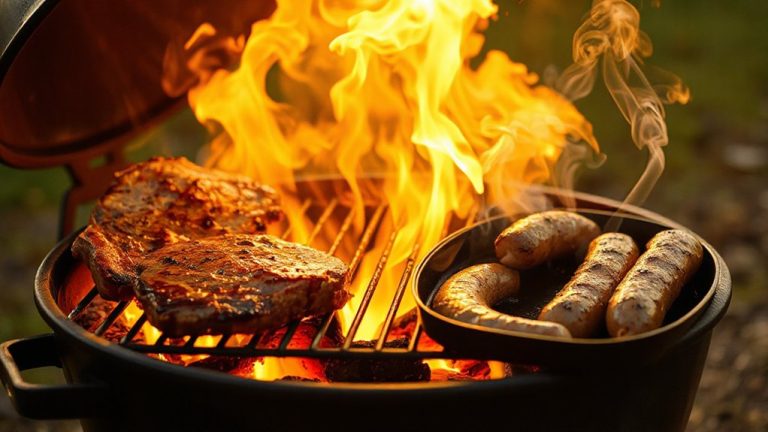
You get richer flavor on charcoal and wood-fired grills because the intense heat boosts Maillard reactions and smoke absorption, unlike gas grills that burn cleanly but lack depth. Pair meats with the right wood-hickory for pork, mesquite for brisket, fruitwoods for delicate fish. Use smoked paprika and garlic for crust and earthiness. Finish with chili-lime glaze or herb-oil drizzels to balance smoke. There’s more to mastering these layers than just heat and time.
Notable Insights
- Charcoal grills enhance Maillard reactions, creating rich, smoky crusts ideal for bold flavor pairings.
- Pair hickory with pork and mesquite with brisket for optimal smoke intensity without bitterness.
- Use fruitwoods like apple or cherry with delicate proteins to add subtle sweetness and aroma.
- Combine smoked paprika and garlic in rubs to amplify umami and complement charcoal-seared meats.
- Finish grilled fish with citrus, dill, and olive oil to balance smoke with bright, herbal freshness.
Start With Your Grill: How Heat Source Shapes Flavor
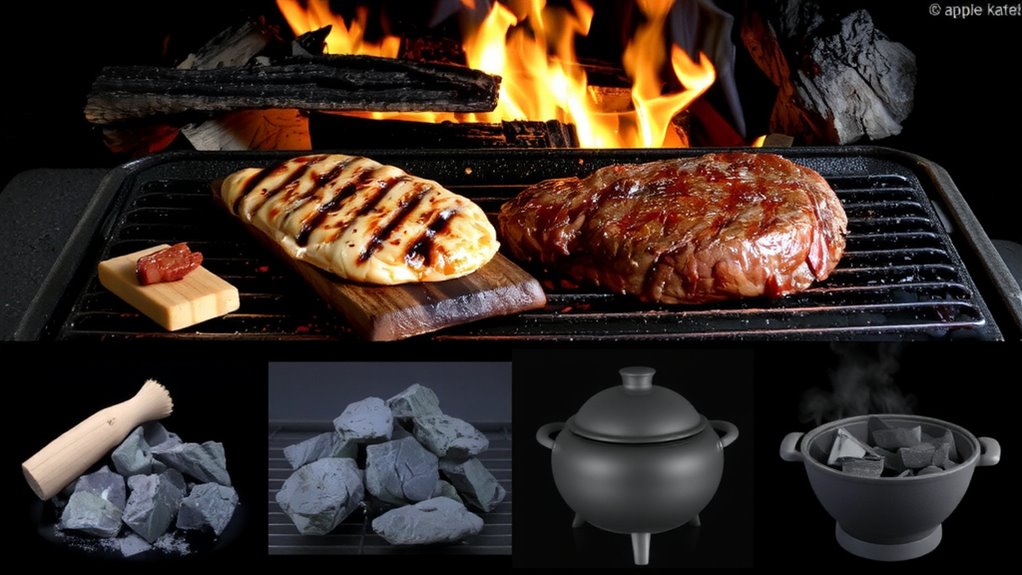
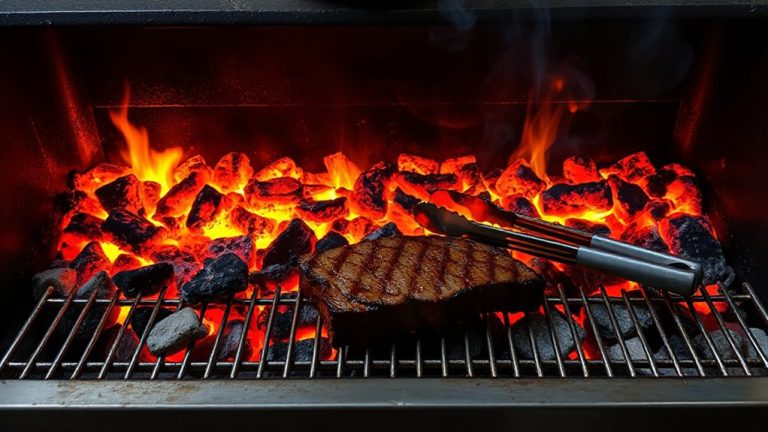
While the type of grill you use might seem like a simple matter of convenience, it actually plays a decisive role in shaping the final flavor of your food. Your choice directly affects grill temperature, heat intensity, and smoke duration-three pillars of flavor development. Charcoal grills deliver high, radiant heat that sears quickly, enhancing Maillard reactions for robust crusts and deeper flavors. Pellet grills offer precise temperature control, allowing consistent, low-and-slow cooking ideal for extended smoke duration. Gas grills provide convenience and steady heat intensity, but often lack the smoky complexity from incomplete combustion. Where flare-ups occur, fat drips ignite, creating brief, intense heat spikes that alter texture and taste. Ultimately, the design influences thermal dynamics and airflow, dictating how evenly and thoroughly your food develops flavor. Matching your grill type to your cooking style isn’t just practical-it’s essential for achieving the desired depth, tenderness, and aroma in every bite. For those seeking authentic charcoal flavor and performance, exploring the best charcoal grills can make all the difference.
Match Wood to Meat for Smoky Perfection
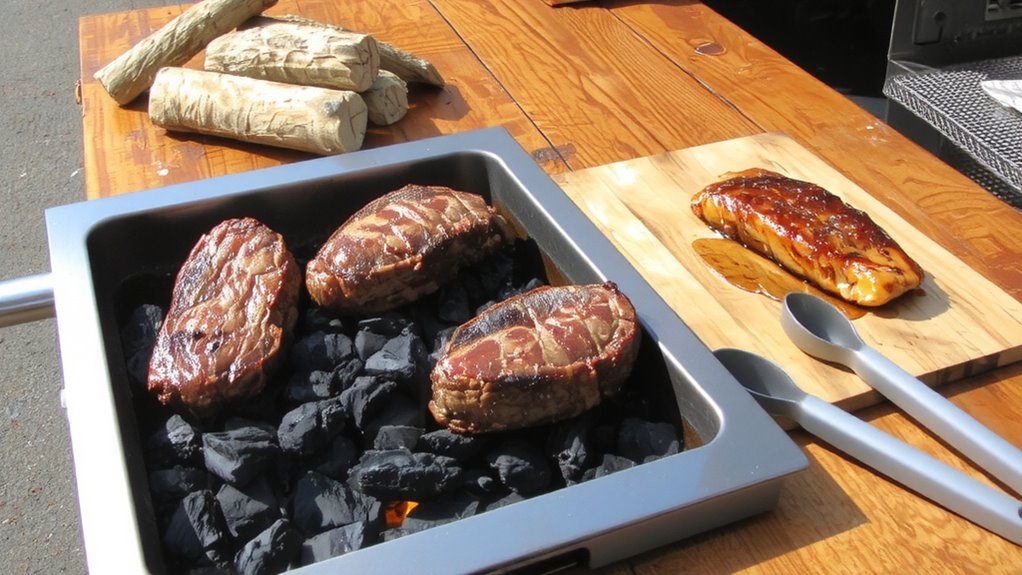
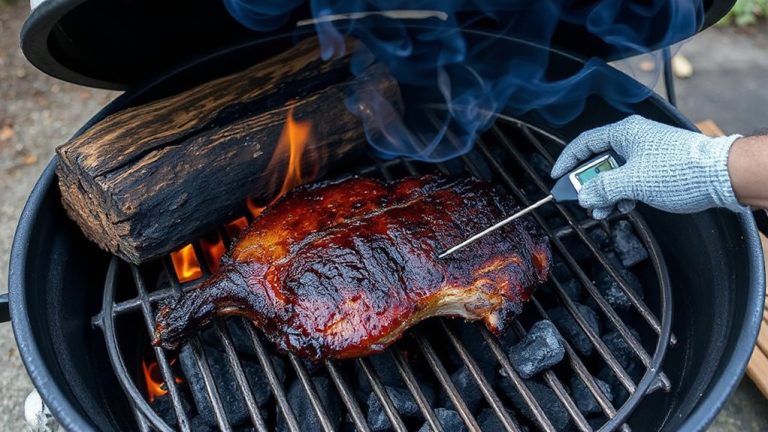
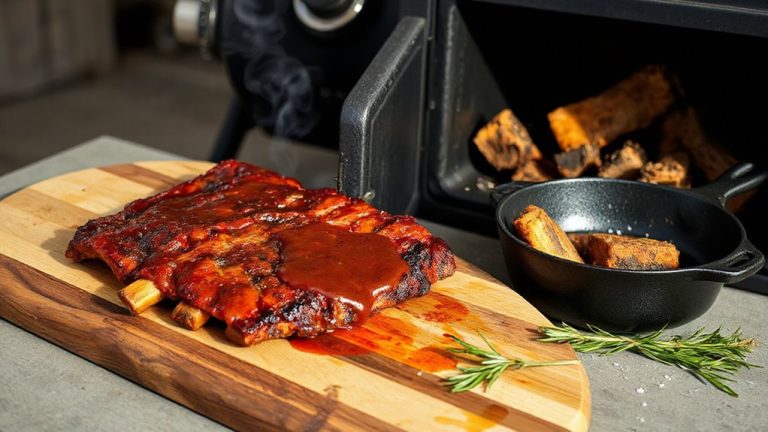
Your grill’s heat source sets the stage for flavor, but the wood you choose fine-tunes it with precision. Hickory delivers a robust, slightly sweet smoke that pairs perfectly with pork-think hickory bacon, where the wood’s intensity enhances the meat’s richness without overpowering it. It’s versatile, working well for ribs, shoulders, or even poultry. Mesquite, on the other hand, burns hot and bold, making it ideal for dense cuts like brisket. Mesquite brisket develops a deep, earthy crust and penetrating smokiness that stands up to long cooks. But beware-mesquite can turn bitter if used excessively, so blend it with milder woods when needed. Fruitwoods like apple or cherry offer subtler notes, great for delicate proteins. Matching wood to meat isn’t just tradition-it’s chemistry. The right pairing amplifies texture and taste, turning good barbecue into smoky perfection. For the best results, start with high-quality Best Hickory Picks that ensure consistent smoke and flavor.
Boost Charcoal Grilling With Smoked Paprika and Garlic
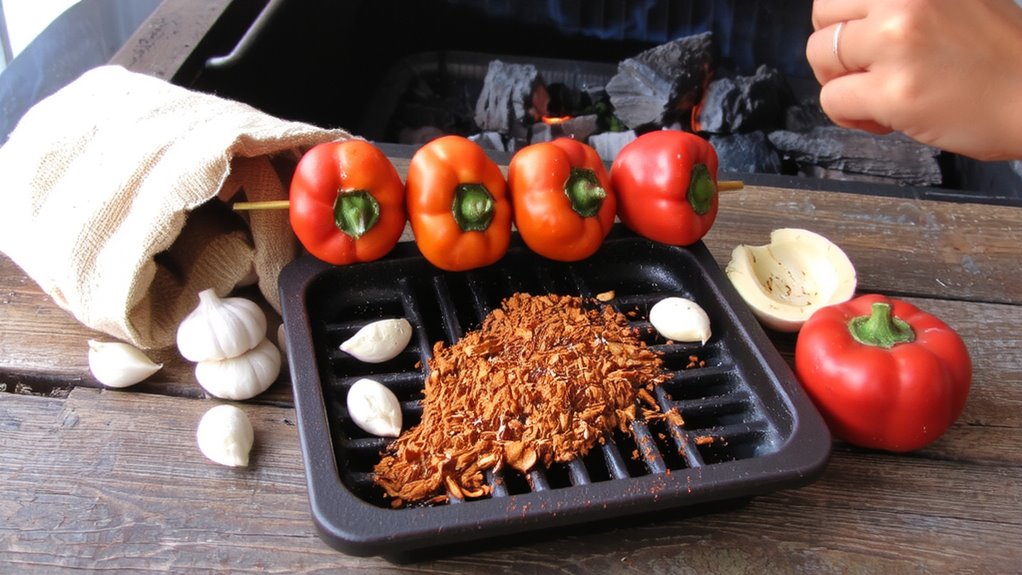
Though charcoal grilling stands on its own with deep, direct heat and satisfying sear, you can elevate it dramatically with just two pantry staples: smoked paprika and garlic. The smoked paprika benefits go beyond color-you’re adding a subtle, smoky depth that complements charcoal’s natural strength without overpowering it. It works especially well in dry rubs for ribs, chicken, or steak, bonding with rendered fats to form a flavorful crust. When paired with garlic, the synergy becomes undeniable. Use garlic infusion techniques like crushing cloves into oil or slicing them thinly for direct grill contact, allowing their aromatic compounds to permeate meat and char. Together, they bridge the gap between simplicity and sophistication, enhancing umami while balancing sweetness and earthiness. This combination doesn’t mask the grill’s work-it highlights it. For best results, apply the rub 30 minutes before grilling to let flavors adhere and penetrate. It’s reliable, accessible, and makes a noticeable difference with minimal effort. For those looking to build on this foundation, consider trying one of the best dry rubs for beef roast, which often include smoked paprika and garlic as key ingredients in their top picks blend.
Brighten Fish With Citrus, Dill, and Olive Oil
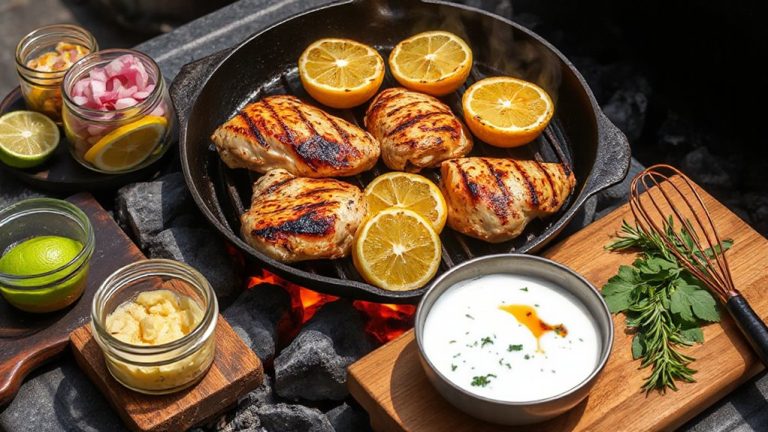
When grilling delicate fish, a light hand with seasoning makes all the difference, and a blend of citrus, dill, and olive oil brings out the best without overwhelming the natural flavor. You’ll want to drizzle fresh olive oil over the fillets before placing them on the grill-it helps prevent sticking and carries flavor deep into the flesh. Add a generous sprinkle of lemon zest; its bright, aromatic oils amplify freshness without harsh acidity. Fresh dill, finely chopped, contributes a subtle sweetness and herbal lift that complements oily and lean fish alike. For added texture and taste, press the herbs onto the surface to form a light herb crust-this doesn’t just enhance flavor but also protects the fish during high-heat grilling. The combo works especially well on cedar planks or in foil packets, where delicate aromas can concentrate without burning.
Caramelize Veggies With Brown Sugar and Smoke
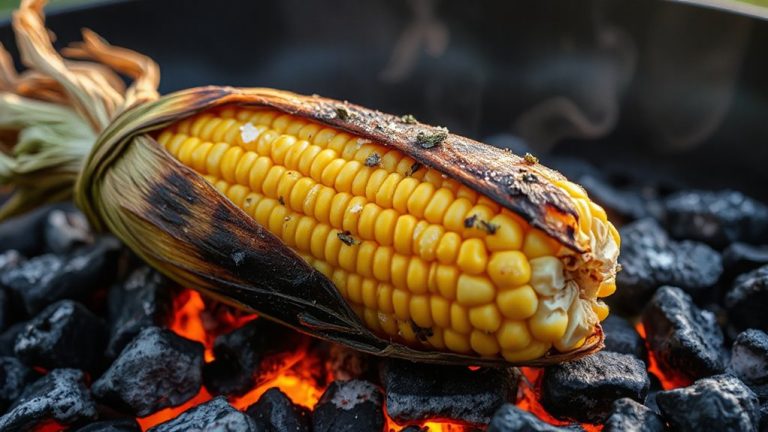
Grilling vegetables transforms their natural sugars into rich, smoky-sweet notes, especially when you introduce brown sugar and wood smoke to the equation. A light coating of brown sugar enhances caramelized sweetness, promoting deeper browning and a delicate crust without overpowering the veggie’s essence. When paired with a steady smoke infusion from hardwoods like hickory or apple, the flavors layer beautifully-sweetness balances the earthy bite of char. Dense vegetables like bell peppers, zucchini, and red onions respond best, holding structure while absorbing flavor. The sugar helps conduct heat evenly, speeding up caramelization while minimizing dryness. Unlike sweeter glazes that burn easily, brown sugar’s molasses content offers a slight margin for error, though monitoring is key. You’ll notice a marked improvement in both aroma and depth when smoke infusion syncs with the sugar’s heat reaction. This method elevates simple sides into standout grill staples, especially on charcoal or wood-fired grills where temperature control and smoke quality matter most.
Finish Strong With Chili, Lime, and Herb Glazes
While heat and smoke lay the foundation, it’s the final brush of chili, lime, and fresh herbs that elevates grilled dishes from solid to exceptional. You’re not just adding flavor-you’re finishing with intent. A chili crisp glaze brings heat, crunch, and umami, sticking well to proteins in the last minutes of grilling for a glossy, spicy crust. It works especially well on chicken thighs or grilled tofu, where texture and temperature help the glaze adhere and caramelize. For leaner cuts like shrimp or fish, a lime herb marinade-blended with cilantro, garlic, and olive oil-adds brightness without overpowering. Applied just before serving or drizzled after grilling, it preserves the herbs’ freshness and the lime’s zing. These glazes aren’t mere garnishes; they balance richness and cut through smoke, creating a more dynamic palate. Use them deliberately, and your grill work won’t just finish strong-it’ll resonate.
On a final note
You’ve seen how your heat source shapes flavor-wood fires add complexity, charcoal offers intensity. Pairings like smoked paprika with beef or citrus with fish aren’t just tradition; they balance fat, acid, and smoke. Caramelization works best with sugar and direct heat, while chili-lime glazes finish with precision. These aren’t rules but tested foundations. Master them, then adjust. The best results come from understanding why flavors work, not just following trends. Consistency beats novelty in real grilling.