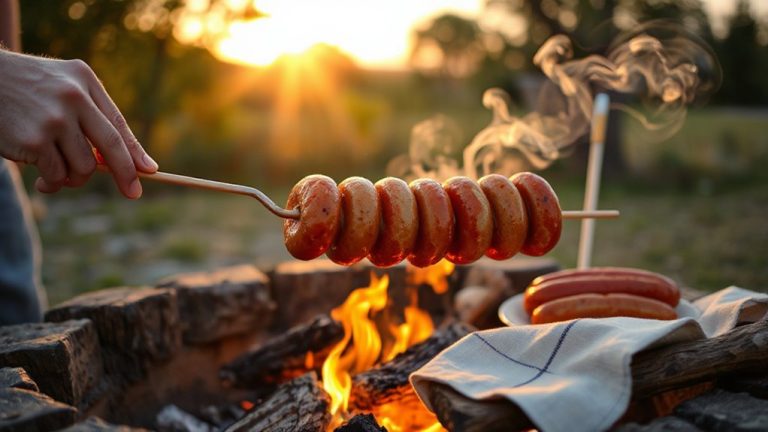
How Bioethanol Grills Are Revolutionizing Clean Outdoor Cooking
You’re getting cleaner, more convenient grilling with bioethanol-no smoke, no soot, and no propane tanks to swap. It burns cleanly, releasing only water vapor and minimal CO₂, while offering instant ignition and precise flame control. Stainless steel builds guarantee durability, and the lack of fumes means you can cook safely in more spaces. Though the flame’s hard to see in sunlight, regular maintenance keeps performance steady. There’s more to discover about optimizing your setup.
Notable Insights
- Bioethanol grills use renewable fuel that burns cleanly, producing no smoke or harmful residues.
- They offer instant ignition and precise flame control without propane tanks or lighter fluid.
- Clean combustion emits only water vapor and minimal CO₂, reducing environmental impact.
- Stainless steel construction and stable design ensure safety and durability during use.
- Minimal maintenance and portability make them ideal for versatile, eco-friendly outdoor cooking.
What Makes Bioethanol Grills Different From Traditional Grills?
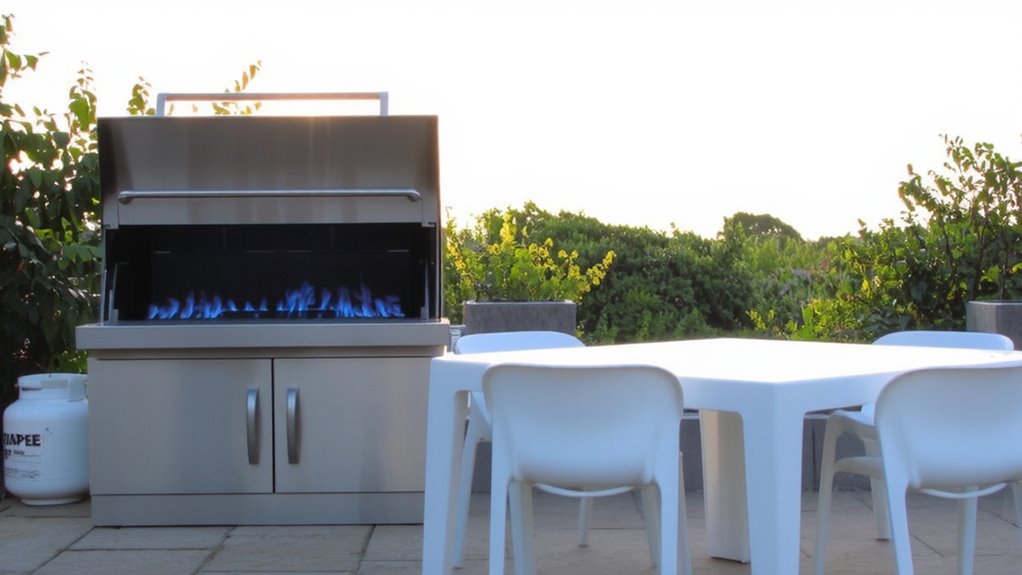
Why switch to a bioethanol grill when gas and charcoal have long dominated backyard cookouts? You’ll notice the difference in design and performance right away. Unlike traditional grills, bioethanol models run on renewable fuel, producing no smoke or harmful residues. That means no more scrubbing grease trays or dealing with propane tanks. Flame control is precise and instant-you adjust the burner manually, scaling heat up or down without waiting. Heat distribution is more even across the cooking surface, reducing hot spots that plague charcoal pits. While they don’t sear quite like 700°F gas grills, they maintain consistent temps ideal for grilling vegetables, fish, or thin cuts. You’ll appreciate the minimalist upkeep and portability. Still, they require careful handling since the flame is nearly invisible in sunlight. For clean, efficient cooking with modern flair, bioethanol grills offer a compelling upgrade-one built for convenience and sustainability.
Why Switch to a Bioethanol Grill?
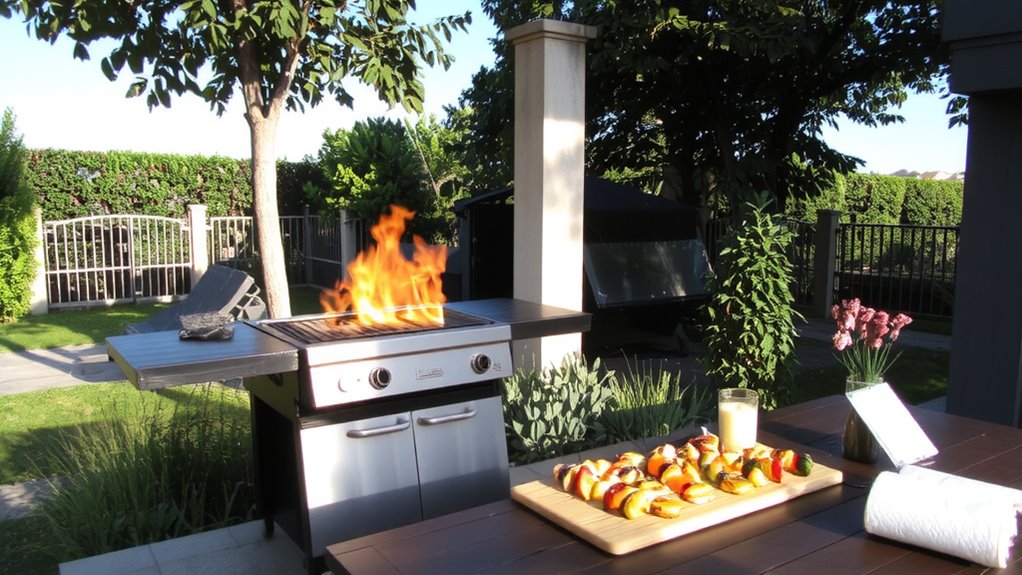
How about grilling without the mess, fumes, or complicated setup? Bioethanol grills offer a cleaner, more convenient alternative to charcoal and gas models. You’ll appreciate the instant ignition and steady flame control-no propane tanks or lighter fluid needed. With high fuel efficiency, bioethanol burns longer per liter compared to traditional fuels, reducing frequent refills and operational hassles. Plus, it produces no smoke or harmful residues, making cleanup nearly effortless. From an environmental impact standpoint, bioethanol is a renewable resource that emits far fewer greenhouse gases than charcoal or propane. While it doesn’t deliver the exact smoky flavor of wood-fired grills, it’s ideal for quick searing, roasting, and healthy cooking. You’ll save time on prep and maintenance while reducing your carbon footprint. For urban dwellers or eco-conscious hosts, switching makes practical and planetary sense.
What Makes a Safe, Well-Built Bioethanol Grill?
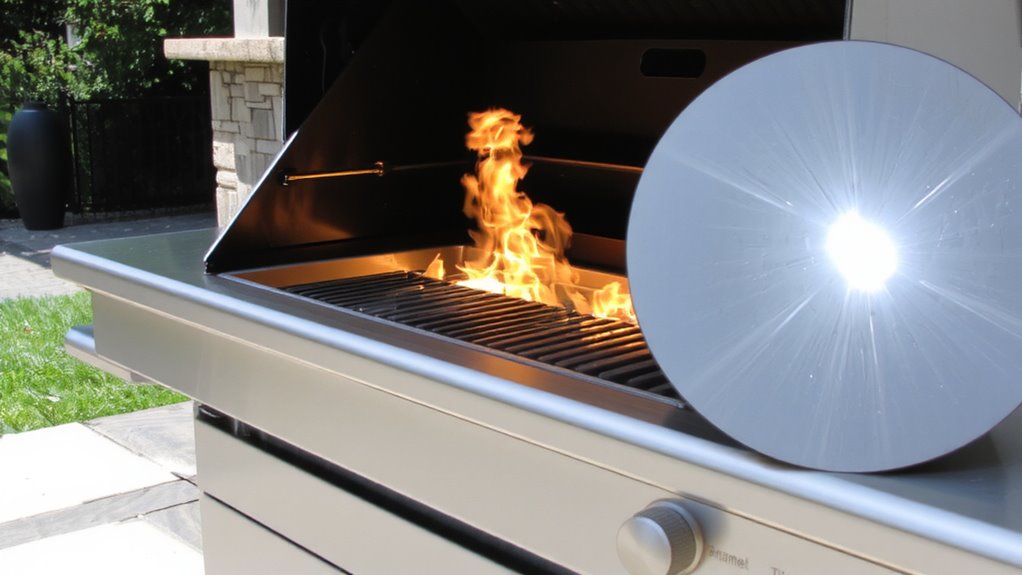
You’ve likely weighed the benefits of cleaner, more convenient outdoor cooking with bioethanol, especially if you value quick setup and minimal environmental impact. But to enjoy those perks safely, you need a well-built grill. Material durability ensures longevity and stability under heat, so look for stainless steel or powder-coated finishes that resist rust and warping. Ignition safety is just as vital-reliable systems prevent flare-ups and allow steady flame control. A well-designed bioethanol grill combines these traits without compromising performance.
| Feature | Why It Matters |
|---|---|
| Stainless Steel Body | Resists corrosion and retains strength |
| Stable Base Design | Prevents tipping during use |
| Flame Control Valve | Enables precise heat adjustment |
| Burner Protection | Shields fuel source, improving ignition safety |
| Easy Access Compartment | Simplifies refilling and cleaning |
Smart engineering makes all the difference.
How Does Bioethanol Fuel Enable Clean Grilling?
While traditional charcoal and gas grills rely on fossil fuels or emit significant particulates, bioethanol fuel offers a cleaner alternative by burning almost completely without leaving behind soot or smoke. You’ll notice the difference right away-there’s no heavy odor or eye-irritating smoke. That’s because bioethanol delivers real emission reduction, producing only water vapor and a minimal amount of CO₂. It burns cleanly and steadily, providing consistent heat efficiency so your food cooks evenly. Unlike charcoal, which fluctuates in temperature, or propane, which requires pressurized tanks, bioethanol gives you control with simplicity. You can grill in more places, too, since there’s no need for vents or complex hookups. Sure, it doesn’t give that classic smoky flavor, but if you value a cleaner burn, easier cleanup, and eco-conscious grilling, bioethanol’s heat efficiency and low emissions make it a smart, practical choice.
Grilling Tips for Bioethanol Grill Owners
Grilling with a bioethanol unit means working with a fuel source that’s both clean-burning and responsive, so getting the best results comes down to understanding its unique heat dynamics. Since bioethanol burns hotter and more evenly than charcoal but lacks smoke, mastering grilling techniques means relying on precise temperature control and timing. Preheat the grill surface for at least five minutes to guarantee consistent searing. Use direct and indirect zones by adjusting burner intensity-ideal for delicate fish or thick steaks. While you won’t get that traditional sm cruelty flavor, smart flavor pairing can compensate; marinate proteins with smoky spices like paprika or use wood-infused oils. Always monitor fuel levels-flame output drops as fuel depletes. Clean the burner regularly to prevent clogs. With practice, your bioethanol grill can deliver restaurant-quality results using clean, efficient grilling techniques paired thoughtfully with bold, complementary seasonings.
On a final note
You’re choosing cleaner, more efficient outdoor cooking with a bioethanol grill. It burns cleanly, produces no smoke or harmful residues, and heats evenly without flare-ups. Unlike charcoal or gas, it requires no propane tanks or complicated setup. Maintenance is simple, and the design fits seamlessly into modern outdoor spaces. While it won’t replicate high-heat searing, it’s ideal for consistent, eco-friendly grilling. For health, convenience, and environmental impact, you’re making a smart upgrade.