One-Pot Lentil Soup With Kale and Italian Sausage for Winter Cabin Cooking
You’ll get rich flavor by browning Italian sausage in a Dutch oven, using the rendered fat to sauté onions, carrots, and bloomed fennel seeds. Opt for brown lentils-they hold their shape well and deliver a hearty texture without turning mushy. Add kale in the last few minutes; Tuscan or curly both work, depending on your preferred bite. This one-pot meal comes together in under an hour, stores beautifully, and reheats with minimal texture loss-ideal for cozy cabin cooking. Further refinements await.
Notable Insights
- Brown Italian sausage first in a Dutch oven to build rich flavor and use rendered fat for sautéing aromatics.
- Use brown or green lentils for hearty texture that holds up well during one-pot cooking.
- Sauté onions, carrots, and spices in sausage fat to deepen flavor in one pot with minimal cleanup.
- Add kale in the last 5–7 minutes to maintain freshness, texture, and vibrant color.
- Cool and store soup promptly; reheat gently with added broth to preserve creamy consistency.
Sauté Sausage & Aromatics for Deep Flavor
Start by browning the Italian sausage in your heaviest pot-ideally a Dutch oven-since a solid sear builds layers of flavor that’ll carry the whole dish. As the sausage renders, its fat coats the pot, creating a rich base perfect for sautéing aromatics. Once crumbled and deeply browned, push it to the side and add a drizzle of oil if needed. Toss in diced onions and carrots, stirring to absorb the savory drippings. Now’s the time to introduce fennel seeds-they toast lightly, releasing a sweet, licorice-like aroma that mirrors the sausage’s profile. A pinch of red pepper flakes adds subtle heat, balancing the soup’s depth without overwhelming it. These spices bloom in the fat, revealing complexity you can’t achieve later. This foundational step isn’t just cooking; it’s flavor engineering-critical when preparing meals over a steady flame where every layer counts. For the best results, choose high-quality sweet Italian sausage with a balanced blend of fennel and garlic.
Choose the Best Lentils for Creamy Texture
While texture matters in every component of a well-balanced soup, it’s especially essential with lentils, since they can either dissolve into creaminess or hold firm when you need them to. For a velvety result, you’ll want brown or green lentils-they hold shape reasonably well but soften sufficiently over moderate cooking times. Red and yellow lentils break down faster, ideal if you’re after a thicker, almost puréed texture without extra blending. Among lentil varieties, red ones cook quickest, often softening in 15–20 minutes, while green and brown types need 25–35 minutes, making timing important when layering flavors. In outdoor cooking, where heat control is less precise, these differences matter. You’re better off choosing lentils that forgive slight variances in cooking times. For this soup, we recommend brown lentils-they offer a balanced performance, delivering heartiness without sacrificing that rich, creamy body your cabin meal deserves.
Add Kale at the Right Time for Freshness
You’ve got your lentils cooking at a steady simmer, building that rich base every hearty soup needs, and now it’s time to think about when to bring in the kale. Adding it too early ruins its texture, so aim for the last 5–7 minutes of cooking. Different kale varieties react uniquely: Tuscan (lacinato) holds up best, while curly and red Russian soften faster. Match your wilting techniques to the type-chop finely for even integration and stir gently to preserve brightness. Below is a quick guide:
| Kale Variety | Wilting Time | Texture Outcome |
|---|---|---|
| Tuscan (Lacinato) | 6–7 min | Tender, not mushy |
| Curly Kale | 4–5 min | Slight bite remains |
| Red Russian | 5–6 min | Silky with structure |
This approach maintains freshness and depth, vital for balanced winter meals.
Store & Reheat Without Losing Texture
After the soup has cooled slightly, store it properly to preserve both flavor and texture. Transfer portions into airtight containers, leaving some space if you plan on freezing broth-lentils expand, so room for liquid displacement prevents cracking or spills. For best results, cool the soup within two hours and refrigerate up to four days or freeze for three months. When freezing broth, use thick-walled containers to avoid freezer burn. Upon reheating, you might notice the kale softens further-this is normal. Simmer gently instead of boiling to maintain consistency. Stir occasionally and add a splash of water or broth if needed. Reheating spices like fennel and paprika reactivates their fragrance, though dried herbs lose potency. A small pinch added during reheating boosts depth without overwhelming. This method guarantees reliable results whether you’re prepping ahead at home or serving leftovers during a long cabin weekend.
Make This One-Pot Soup in Under an Hour
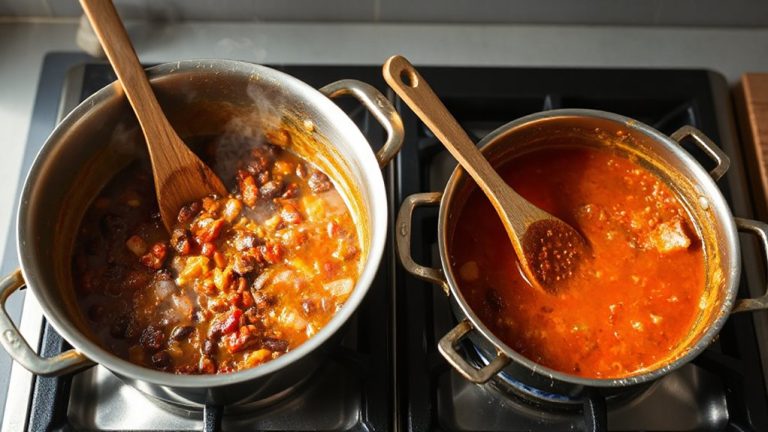
Since time often runs short but flavor shouldn’t suffer, this one-pot lentil soup delivers a hearty, satisfying meal in under an hour-with minimal cleanup and maximum depth. You start by browning Italian sausage, which builds flavor fast without needing a grill or open flame. Once the sausage is crisp, you add aromatics and lentils, then enough broth to allow a slow simmer-key for even cooking and tender legumes. Unlike outdoor cooking methods that demand constant attention, this soup thrives on the stove with little intervention. The slow simmer extracts richness from the sausage and infuses the broth, while kale adds color and nutrients in the final ten minutes. You’ll find the texture balanced, the flavors layered, and the effort surprisingly low. It’s efficient, reliable, and perfect when you want depth without delay-ideal for winter nights when time and warmth are both in short supply.
On a final note
You’ve got a hearty, balanced meal that holds up well in cold weather. This soup builds flavor efficiently, especially when seared sausage and soft aromatics lay the foundation. Brown or green lentils work best-they hold shape without turning mushy. Adding kale late preserves texture and color. Reheats cleanly, making it ideal for cabin leftovers. One-pot prep minimizes cleanup, a real advantage off-grid. Practical, nourishing, and reliable for outdoor cooking where simplicity and performance matter.