Comparing Oak and Maple Woods for Balanced, Medium-Roast Smoke on Ribs
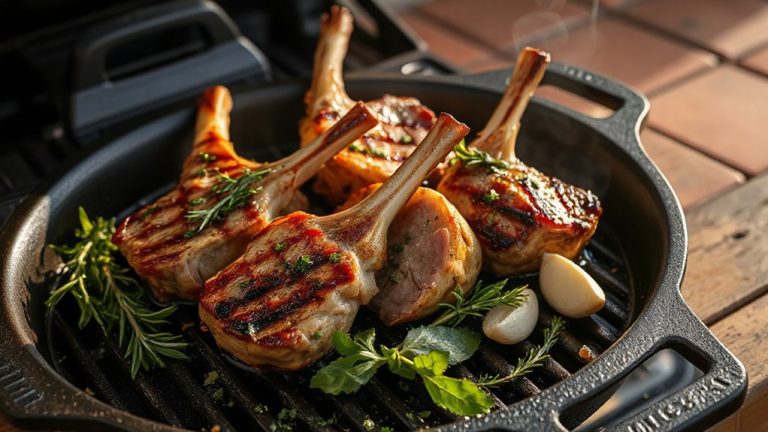
You’ll get richer smoke and longer heat from oak, making it ideal for deep flavor in medium-roast ribs. Maple burns a bit faster and milder, lending subtle sweetness that suits delicate rubs. For balance, use mostly oak with a touch of maple added mid-cook. This combo gives structure and softness without overpowering. Keep your wood seasoned to 15–20% moisture to avoid bitter smoke. You’ll find the best results come from matching wood behavior to your cook’s length and seasoning profile.
Notable Insights
- Oak provides a robust, earthy smoke flavor with excellent heat duration, ideal for long, consistent rib cooks.
- Maple offers a mild, sweet smoke profile, best for subtle flavor enhancements without overpowering the meat.
- Oak burns hotter and slower than maple, making it more efficient for maintaining steady temperatures over time.
- Blending two parts oak with one part maple balances boldness and sweetness for a well-rounded smoke flavor.
- Properly seasoned wood with 15%–20% moisture ensures clean combustion and prevents bitter or acrid smoke.
How Wood Choice Shapes Medium-Roast Ribs
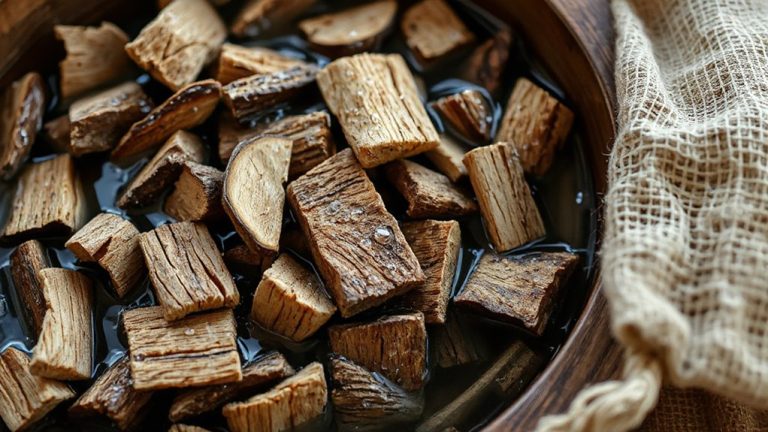
While you’re aiming for that perfect medium-roast rib with a balanced smoke flavor, the wood you pick plays a decisive role in shaping both taste and texture. Your choice affects how evenly the ribs cook and how deeply the smoke penetrates. Hardwoods like oak and maple offer consistent heat due to their high wood density, which supports steady combustion and prolonged smoke production. You’ll want wood with a moisture content between 15% and 20%-too wet, and you get erratic burning and bitter smoke; too dry, and the fire burns too hot, risking char. Seasoned wood in this range guarantees a clean, mellow smoke ideal for medium-roast development. This balance allows the meat to absorb flavor gradually without overpowering the natural richness of the ribs. Ultimately, proper wood selection isn’t just about flavor-it’s about thermal stability and control throughout the cook. For best results, choose wood chips specifically labeled as best wood chips for smoking to ensure quality and optimal smoke characteristics.
Oak vs Maple: Flavor Strength and Smoke Profile
If you’re after a smoke profile that balances intensity with subtlety, oak delivers a medium-strength flavor that stands up well to pork ribs without overwhelming them. Its flavor intensity is assertive yet clean, lending a toasted, slightly earthy note that complements the meat’s richness. Maple, in contrast, offers a milder flavor intensity, with a delicate sweetness that enhances rather than dominates. You’ll find maple’s smoke density is lighter, making it ideal if you prefer a gentle touch. While oak builds a robust backbone of smoke, maple layers in nuance, especially early in the cook. For balanced, medium-roast ribs, oak provides consistency and depth, whereas maple suits those wanting a softer profile. Neither is overpowering, but oak’s higher smoke density gives it more staying power in longer smokes. Choose oak for bold structure, maple for subtle sweetness-both work, but oak edges out when complexity and presence matter most. For best results, select pre-seasoned smoking wood that ensures even burn and consistent smoke output.
How Hot and Long Oak and Maple Burn
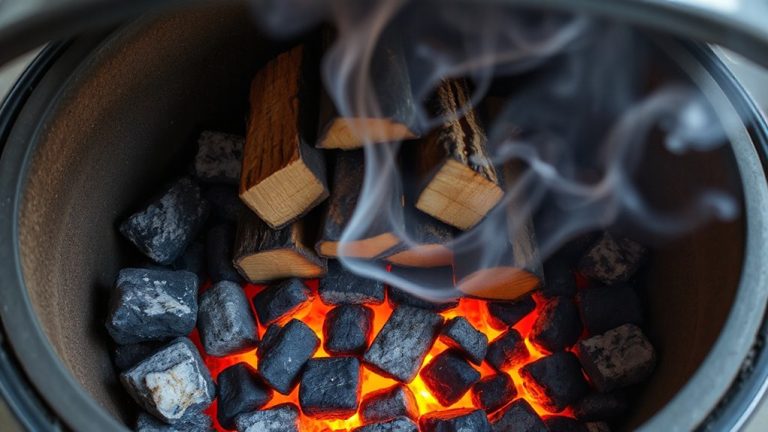
A hardwood’s burn characteristics directly influence how steadily your ribs cook, and when comparing oak and maple, you’ll notice distinct differences in heat output and longevity. Oak burns hotter and slower, giving you a consistent, long-lasting fire ideal for multi-hour smokes. Its lower burn rate means fewer wood additions, helping maintain stable temperatures. Maple, while still reliable, has a slightly higher burn rate and produces less intense heat, which suits shorter cooks or milder ambient conditions. You’ll find maple’s heat duration isn’t quite as extended, so you may need to monitor and replenish more often. Still, this gentler output works well when you want precise control without risking temperature spikes. For longer sessions, oak’s superior heat duration gives it an edge. Both woods perform cleanly and evenly, but if your setup demands sustained output, oak’s efficiency makes it the more practical’best charcoal for smoking understand good charcoal supports steady wood combustion’.
Best Rubs and Sauces for Oak and Maple Ribs
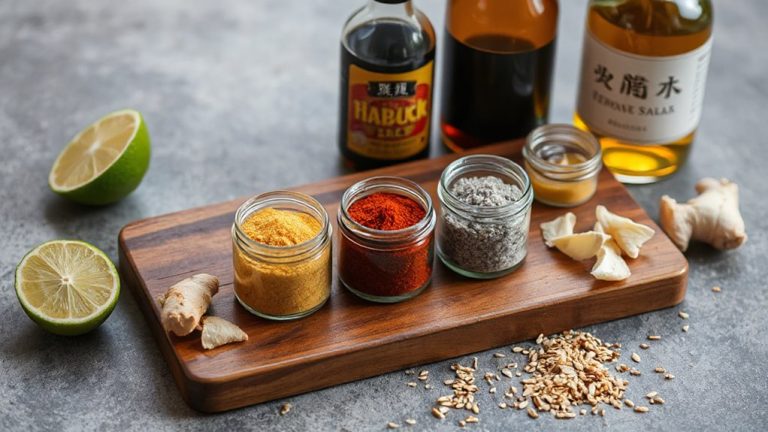
Flavor harmony starts with matching your rubs and sauces to the wood’s personality, and when smoking ribs with oak or maple, the choice shapes the final taste just as much as the fire does. Oak’s bold, earthy smoke stands up to robust spice pairing-think smoked paprika, black pepper, and cayenne-without overpowering the meat. A rub with a touch of brown sugar works well, since oak handles a moderate sugar balance without promoting bitter char. Maple’s sweeter, milder smoke shines when paired with warm spices like cinnamon or mustard powder, enhancing its subtle caramel notes. You’ll want a sauce with maple syrup or apple cider to complement its profile, but keep sugar balance in check to avoid excessive sweetness. For both woods, finish with a tangy, vinegar-based mop or sauce to cut richness-this contrast lifts the smoke and spice, giving your ribs a clean, layered finish that tastes thoughtfully built, not just intensely flavored.
When to Blend Oak and Maple for Better Smoke
While each wood brings its own strengths to the smoker, you’ll often find that blending oak and maple strikes a balance between boldness and sweetness that neither can achieve alone. Oak provides a hearty, medium-intensity smoke that holds up well over long cooks, while maple adds a gentle, slightly caramelized note that enhances without overwhelming. Using wood blending techniques like combining split oak logs with maple chunks guarantees consistent burn and complementary flavor development. For smoke layering strategies, start with oak to build foundation, then introduce maple halfway through to soften the profile. This approach works especially well for ribs, where depth and nuance matter. You’ll get clean smoke without bitterness and a richer taste dimension that stands out in blind tastings. Proper ratios-usually two parts oak to one part maple-keep flavors in harmony, making your barbecue both complex and approachable.
Avoiding Bitter Smoke With Clean Burning Tips
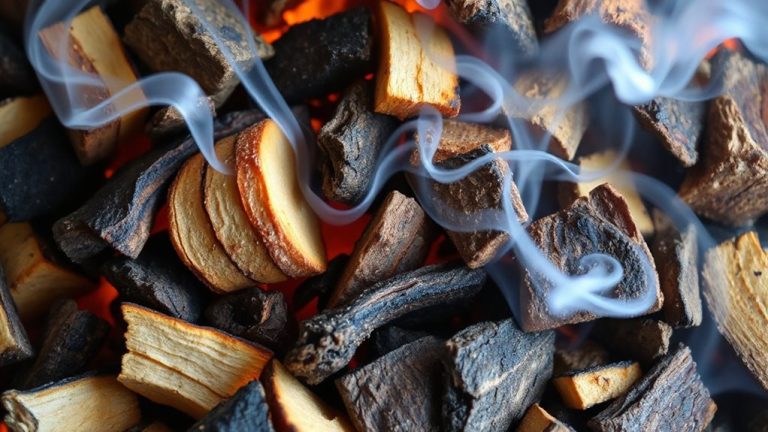
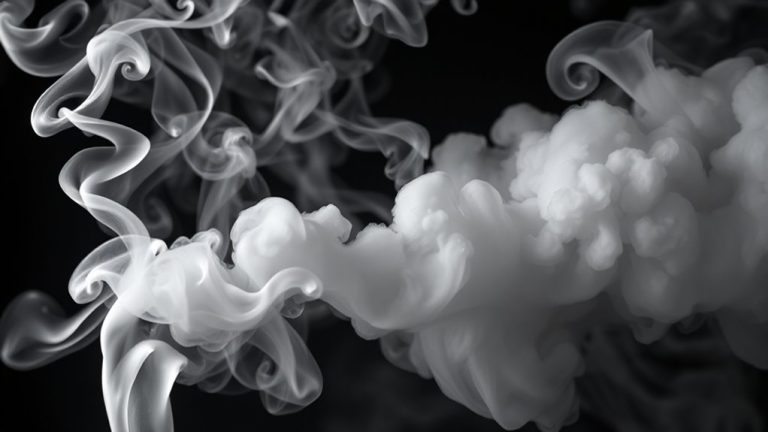
If you’ve ever tasted a sharp, acrid bite in your smoked ribs, chances are you’re dealing with bitter smoke-something that can ruin even the most carefully seasoned meat. Bitter smoke usually comes from incomplete burning, often due to excess fuel or poor airflow. You need clean combustion to avoid this, which means maintaining steady oxygen flow and avoiding damp or green wood. Both oak and maple burn cleanly when properly seasoned, but only if you manage your fire right. Thick, billowing smoke is a warning sign-ideal smoke density should be thin, almost blue-gray, not heavy white plumes. That light smoke carries flavor without the harsh compounds. Keep your firebox unclogged, use dry wood split to the right size, and monitor airflow vents. When combustion is efficient, you’ll see consistent smoke and taste sweeter, richer notes in every bite.
Which Wood Wins for Tender, Smoky Ribs?
So, which wood truly delivers the ideal balance of smoke penetration and tenderness in your ribs-oak or maple? Oak’s tight wood grain burns longer and hotter, giving you consistent, medium-roast smoke that slowly permeates the meat. You’ll notice a rich smoke color-think light gray to blue-indicating clean, effective combustion. This steady output enhances bark formation without overwhelming the pork. Maple burns softer and cooler, with a finer grain that chars more quickly. Its smoke color tends paler, almost translucent, which looks delicate but can lack depth in flavor penetration. While maple adds a subtle sweetness, it sometimes falls short on smokiness for well-seasoned ribs. Oak edges out maple when you want tenderness paired with bold, balanced smoke. You’ll get better control, deeper flavor, and that ideal texture throughout. For reliable, restaurant-quality results, oak is your best bet.
On a final note
You’ll find oak delivers a stronger, more robust smoke, ideal for deep flavor in medium-roast ribs, while maple offers a subtle, sweet nuance that won’t overpower. Oak burns longer and hotter, suiting extended cooks; maple burns cleaner and cooler, perfect for delicate balance. Pair oak with bold rubs and tomato-based sauces, maple with lighter seasonings. Blend them for complexity. Both woods, when dry and properly managed, prevent bitter smoke. For tender, evenly smoky ribs, maple wins on finesse, but oak claims edge in depth.