Choosing the Right Wood Types for Flavor and Heat in Open Pit Cooking
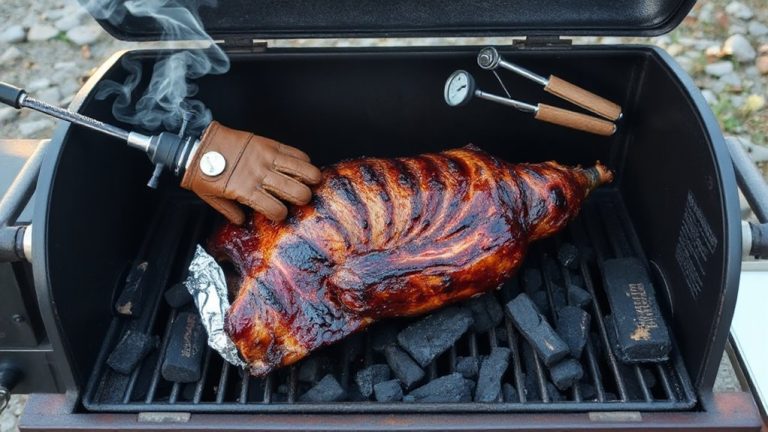
You’ll want to choose dense, seasoned hardwoods like oak or hickory for steady heat and clean smoke in open pit cooking. These woods burn long and hot, giving you control over temperature and texture. Fruitwoods like apple or cherry add subtle sweetness, best for poultry or pork. Avoid wet or green wood-it creates bitter smoke and flare-ups. Mesquite works in short bursts for beef but can overpower if overused. The right wood balances flavor and function, and there’s more to getting it right than most realize.
Notable Insights
- Choose dense hardwoods like oak and hickory for long, steady burns and consistent heat in open pit cooking.
- Use properly seasoned wood with moisture content below 20% to prevent smoky flare-ups and bitter flavors.
- Pair mild fruitwoods like apple and cherry with poultry or pork for sweet, delicate smoke notes.
- Avoid green or wet wood, as it steams food and wastes energy instead of providing reliable heat.
- Use mesquite sparingly for high-heat searing and bold flavor, especially with beef, due to its intense burn.
Best Wood for Open Pit Cooking: Flavor vs. Heat
While you might be tempted to toss any scrap of wood into your open pit, not all wood delivers the same balance of heat and flavor, and choosing the wrong type can ruin both your fire and your meal. Wood density directly affects burn time and heat output-denser woods burn hotter and longer, ideal for maintaining steady temperatures. But if the moisture content exceeds 20%, you’ll fight smoky flare-ups and inconsistent flames. Green or wet wood steams rather than burns, wasting energy and tainting food with bitter smoke. For best results, use properly seasoned wood: split, stacked, and dried for at least six months. Softwoods may ignite easily, but their low density and high resin content make them poor choices for cooking. You’re better off prioritizing cured, medium-density woods that offer clean smoke and manageable heat. Balance matters-flavor shouldn’t come at the cost of control. You want efficiency, predictability, and taste working together. For guidance on selecting the best options, check out the best smoking wood picks based on flavor profiles and burning characteristics.
Hardwoods for Long, Steady Burns (Hickory, Oak, Maple)
You’ll want to stick with hardwoods when planning a long cook over open flames, since they deliver the consistent heat and clean burn that softwoods simply can’t match. Hickory, oak, and maple all offer high wood density, which translates to longer burn times and better burn consistency-perfect for maintaining steady temperatures over hours. Oak is the most reliable, providing a neutral smoke and strong, even heat ideal for large cuts like brisket. Hickory burns hot and slow, with a bold flavor that pairs well with pork, though it can overwhelm if used too heavily. Maple offers a slightly sweeter smoke and a milder heat, great when you need gentler intensity without sacrificing burn consistency. All three woods produce minimal soot and sparks, making them safe and efficient for open pit setups. Their dense structure guarantees fewer reloads, giving you more control and less hassle during extended cooks. For those looking to maximize flavor and efficiency, consider starting with Best Hickory Picks as they are selected for optimal density and smoke quality.
Fruitwoods for Mild, Sweet Smoke (Apple, Cherry, Peach)
Several fruitwoods-like apple, cherry, and peach-deliver a delicate, subtly sweet smoke that enhances rather than overpowers delicate meats such as poultry, pork, and fish. You’ll appreciate apple wood for its mild Apple sweetness, which pairs beautifully with chicken and turkey without dominating the taste. Cherry wood offers a slightly richer, fruity smoke with a refined Cherry aroma that lends dishes a pleasing hue and gentle depth. Peach wood behaves similarly, providing a light, floral note ideal for shorter smokes or grilling. These fruitwoods burn cooler and faster than dense hardwoods, so they’re best used when steady, moderate heat is sufficient. They’re not suited for long cooks requiring intense, sustained temperatures. Still, for dishes where nuance matters, fruitwoods elevate flavor with elegance and restraint, making them essential in any well-rounded wood rotation for open pit cooking. For smoking chicken specifically, choosing the right best wood chips can make a significant difference in flavor development.
Mesquite: When to Use This Intense, High-Heat Wood
Mesquite stands in sharp contrast to the gentle fruitwoods, bringing bold flavor and high heat that demand attention. You’ll want to use it when grilling dense meats like beef or game that can stand up to its aggressive smoke. Don’t believe the Mesquite myths-yes, it can overpower food, but only when used recklessly. Burned properly, it delivers a rich, earthy punch perfect for bold profiles. Because it burns hot and fast, many pitmasters mix it into a charcoal blend to moderate temperature and extend burn time. This combo gives you control while still infusing that signature intensity. Avoid using pure mesquite for long cooks; it’s best as an accent. For quick-searing steaks or short ribs, though, it’s unmatched. Choose well-seasoned, split wood for cleaner combustion and less soot. When balanced, mesquite isn’t a villain-it’s a precision tool. Know your fire, respect its power, and you’ll get deep, satisfying results without bitterness.
How Wood Heat Affects Cooking Time and Texture
While the type of wood you choose plays a key role in flavor, its heat output has just as much influence on cooking time and the final texture of your meat. Denser woods like hickory or oak deliver higher, more consistent heat due to their strong wood density, which means they burn longer and maintain steady temperatures. This reliable heat retention allows for even cooking, reducing hot spots and flare-ups. Softer woods, like pine or alder, ignite faster but burn quicker, sometimes leading to uneven results. You’ll need to monitor and adjust more often, especially with thin cuts. If you’re slow-cooking a brisket, high-density hardwoods are ideal-they stabilize heat and improve texture by rendering fat gradually. For quicker sears or delicate proteins, lower-density options work fine. Ultimately, matching wood density to your cooking style guarantees better control over doneness and tenderness every time.
Smoking Mistakes That Ruin Flavor (And How to Avoid Them)
If you’ve ever pulled meat off the pit only to find it bitter or acrid, chances are a few common smoking mistakes tainted the flavor despite your best efforts. Over smoking is one of the biggest culprits-using too much wood or smoking too long imparts a harsh, chemical-like taste that overwhelms the meat. You don’t need thick smoke; a thin, steady blue stream is ideal for clean flavor. Poor airflow worsens this by restricting oxygen, causing incomplete combustion and producing bitter compounds. Make sure your fire has proper ventilation and use only seasoned wood to maintain clean, consistent smoke. Avoid green or wet wood, as it smolders instead of burning cleanly. Monitor your exhaust-the stack should emit light vapor, not thick plumes. Adjust vents gradually to stabilize temperature and smoke output. With better control over smoke density and airflow, you’ll preserve the subtle, savory notes that make open pit cooking exceptional.
Matching Wood to Protein: Pairings That Work Every Time
The key to exceptional pit-cooked flavor lies not just in technique but in choosing the right wood for your protein, since each type imparts distinct aromatic compounds that can either enhance or overpower your dish. You want hickory with pork-its bold smoke and tight wood grain stand up to fatty cuts without turning bitter. For delicate poultry, opt for apple or cherry; their subtle sweetness and even burn complement without dominating. Beef brisket? Try mesquite, but monitor moisture content closely-overly dry wood burns hot and fast, risking acrid notes. Salmon shines with alder, which has a fine wood grain and low density, producing a mild, sweet smoke. Always guarantee your wood’s moisture content sits between 15–20%; too wet and it sputters, too dry and control is lost. Matching protein to wood isn’t just tradition-it’s chemistry.
On a final note
You’ll get the best results by matching wood to both heat needs and flavor goals. Hardwoods like oak and hickory deliver steady, long burns ideal for large cuts, while fruitwoods offer mild, sweet smoke perfect for poultry or pork. Mesquite packs intensity but risks bitterness if overused. Choosing wisely guarantees control, depth, and consistency, turning raw ingredients into well-smoked, flavorful dishes every time.