How to Master Reverse Searing on a Charcoal Grill for Perfect Steaks
You’ll get the best results by starting with a two-zone charcoal setup, placing the thick-cut ribeye on the cooler side to slowly rise to 120°F. This low and slow method guarantees even doneness without gray bands. Dry the surface and season well for a solid crust. Then sear directly over blazing coals for 60–90 seconds per side. Master the balance of controlled heat and timing, and you’ll see exactly how precision transforms backyard grilling.
Notable Insights
- Use a two-zone charcoal setup with coals piled on one side for indirect cooking and searing.
- Choose thick, well-marbled steaks like ribeye or strip, ideally 1.5 to 2 inches thick.
- Season steaks generously with salt and pepper, and pat dry for better crust formation.
- Cook low and slow on the cooler side until the internal temperature reaches 120°F for medium-rare.
- Sear over high heat (600°F+) for 60–90 seconds per side to develop a flavorful crust.
Understand Why Reverse Searing Works for Thick Steaks
Steak thickness isn’t just a number on a menu-it’s the deciding factor in whether your charred crust hides a gray, overcooked interior. You’re dealing with thermal conductivity when you grill, and thick cuts-two inches or more-resist even heat penetration. Searing them directly often overcooks the center before browning kicks in. Reverse searing fixes that. You start low and slow, gently raising the internal temperature without shocking the meat. This controlled rise preserves juiciness and allows for precise doneness. Then, you sear. That brief, blistering exposure triggers the Maillard reaction, creating deep flavor and a crisp crust. Because the steak’s already near target temp, the sear doesn’t push it into overcooked territory. It’s not just technique-it’s physics applied wisely. For thick steaks, reverse searing isn’t a trend; it’s the most reliable method you’ve got.
Set Up a Two-Zone Charcoal Grill for Control
With control being the key to mastering high-stakes techniques like reverse searing, setting up a two-zone charcoal grill isn’t just helpful-it’s essential. You achieve this by creating distinct cooking zones: one side with a concentrated charcoal arrangement for direct, high-heat searing, and the other side left empty for indirect, low-heat roasting. This separation gives you unmatched temperature control, letting you gently raise the steak’s internal temperature over indirect heat before finishing it over blazing coals. Use a chimney starter to light your coals, then pile them on one half of the grate. Keep a stash of fresh coals nearby to replenish as needed. A tight-fitting lid and adjustable vents help stabilize airflow and maintain consistent temps. You’re not just grilling-you’re engineering a controlled environment where precision beats guesswork every time. For optimal results, choose a model known for excellent heat retention and airflow management, such as those highlighted in the best charcoal grills guide.
Pick Thick Ribeyes or Strips and Season for a Crust
A thick-cut ribeye or strip delivers the ideal canvas for reverse searing, thanks to its generous marbling and ample thickness-typically 1.5 to 2 inches-which guarantees it can handle the long, slow roast without drying out. Your steak selection is essential: avoid thin cuts, as they overcook too quickly during the sear. Instead, opt for well-marbled, dry-aged steaks when possible-they respond better to temperature shifts and retain juiciness. Once you’ve picked your steak, focus on the seasoning technique. Pat the surface dry, then apply a generous amount of coarse kosher salt and freshly cracked black pepper. This not only enhances crust formation but also draws out moisture early, ensuring a deeper sear. A light coat of oil isn’t necessary but can help conduct heat. Proper seasoning, combined with smart steak selection, sets the foundation for a flavorful, texturally superior result every time. For added flavor complexity, consider using a high-quality store-bought burger seasoning that complements beef without overpower Newton.
Cook Low and Slow to 120°F for Even Doneness
Start by building an uneven charcoal bed-about two-thirds of the coals on one side, one-third on the other-for a proper two-zone setup, since you’ll need indirect heat for this phase. Place your seasoned steak on the cooler side, away from direct flames, and close the lid. This low and slow method gently raises the internal temperature, promoting even cooking from edge to center without overcooking the exterior. Use a reliable meat thermometer to monitor progress, aiming for 120°F for medium-rare doneness. This gradual approach minimizes temperature gradients, ensuring juiciness and tenderness. Maintaining a stable grill temp around 225°F is key-too hot and you’ll lose control, too low and it’ll take forever. Patience here pays off: even cooking at this stage sets the foundation for a flawless sear later. You’re not just cooking-you’re engineering texture. For precise monitoring, consider using a best meat thermometer that delivers fast, accurate readings.
Sear It Hard and Fast Over Blazing Charcoal
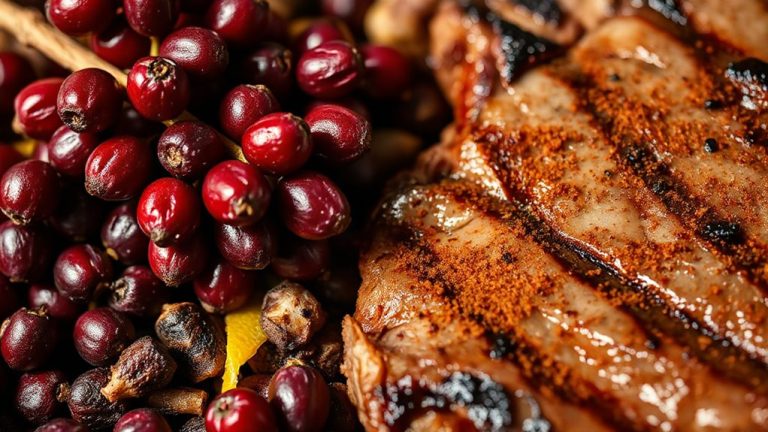
Now it’s time to lock in that perfect crust-move the steak directly over the blazing hot coals, where temperatures should be pushing 600°F or more, and sear each side for 60 to 90 seconds. Charcoal temperature is critical here; you need intense, radiant heat to trigger rapid Maillard reactions without overcooking the interior. Position the coals tightly under a grate section to concentrate the heat, ensuring even coverage. Sear timing must be precise-too short and the crust won’t develop, too long and you risk toughening the edges. A thick, dry-aged ribeye handles this blast well, but leaner cuts like strip steak demand closer attention. Use tongs to press lightly, ensuring full contact. The result should be a deep, crackling sear with minimal carryover into the center. This final step separates amateur cooks from those who truly master outdoor precision.
On a final note
You’ve learned how reverse searing transforms thick steaks by combining precision and fire control. On a two-zone charcoal grill, low-and-slow cooking followed by a blistering sear yields unmatched tenderness and crust. Thick ribeyes or strips respond best, absorbing smoke before caramelizing hard. This method demands patience but rewards with even doneness and deep flavor. For serious outdoor cooking, reverse searing isn’t just effective-it’s essential for steak mastery.