Fermenting Corn Cobs Before Drying to Create Unique Earthy Notes in Smoke
You ferment corn cobs before drying to break down lignin and sugars, releasing a smoother, earthier smoke than raw cobs can produce. This process enriches the flavor profile, reducing acrid notes while enhancing complexity-perfect for pork and chicken. Properly fermented cobs, when dried slowly, retain nuanced aromas that burn clean. Used as an accent fuel at a 1:3 ratio, they blend beautifully with woods like hickory or apple. There’s more to get right-and to gain-from the full method.
Notable Insights
- Fermenting corn cobs breaks down lignin and sugars, enhancing smoke flavor complexity.
- Optimal cobs for fermentation are firm, pale yellow to cream, and free of mold.
- Fermentation lasts 3–7 days in a cool, dark place with periodic rotation.
- Slow drying preserves earthy aromas developed during fermentation.
- Use fermented cobs as an accent fuel blended with hardwoods for balanced, rich smoke.
Why Fermented Corn Cobs Make Better Smoke
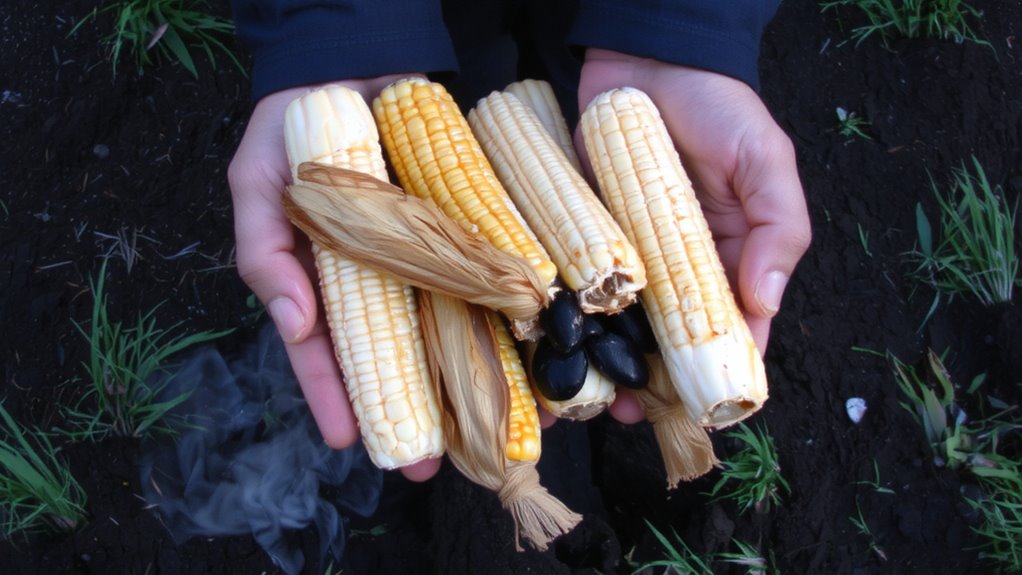
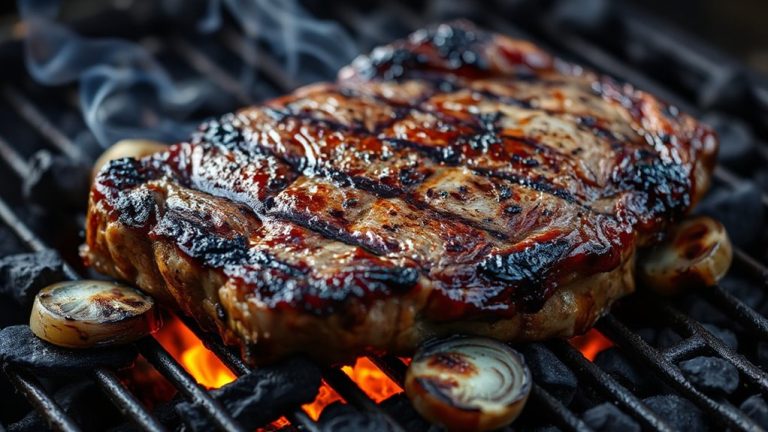
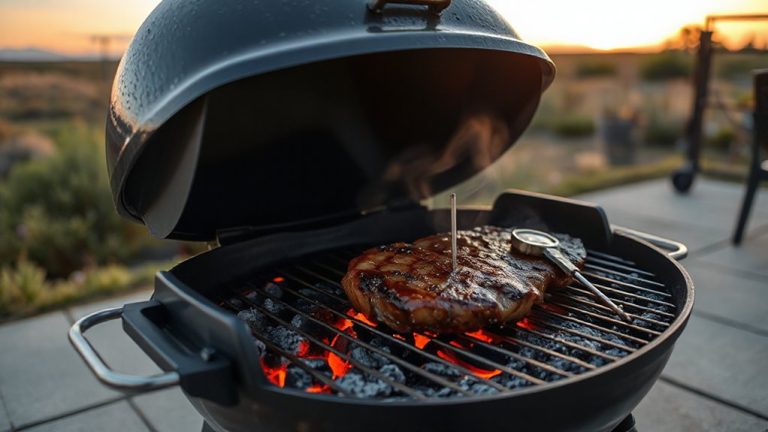
While most backyard cooks focus on wood chips or charcoal, fermenting corn cobs before smoking adds a layer of complexity that standard fuels simply can’t match. You’re not just burning fiber-you’re harnessing microbial activity to break down lignin and sugars, which transforms the cob’s chemical makeup. This process develops nuanced, earthy aromas that infuse meat with subtle depth. Compared to raw cobs, fermented ones produce smoke with greater flavor complexity, enhancing everything from brisket to ribs with a balanced richness. You’ll notice less acrid bite and more rounded warmth in the finish. The fermentation period, typically 3–7 days in a controlled environment, is critical. It allows beneficial microbes to work without letting spoilage take over. When dried post-fermentation, the cobs ignite evenly and burn consistently, making them practical as well as flavorful. For serious outdoor cooks, this method isn’t just novel-it’s a measurable upgrade in smoke quality.
Pick the Best Corn Cobs for Fermenting
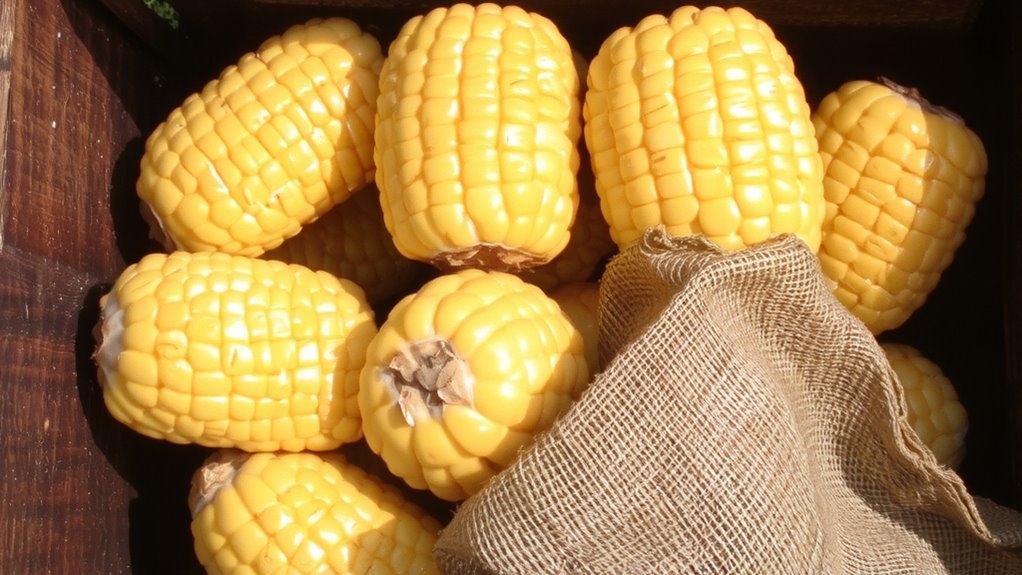
Freshness matters most when you’re picking corn cobs for fermenting-look for ones that are pale yellow to cream-colored, stiff to the touch, and free of mold or dark spots. Your corn selection directly impacts fermentation success and final smoke quality. Ideal cob maturity is key: too young, and they won’t ferment well; too old, and they’re too dense. Mid-mature cobs offer the right sugar and moisture balance.
| Trait | Ideal | Avoid |
|---|---|---|
| Color | Pale yellow | Dark or spotted |
| Texture | Firm, rigid | Soft or mushy |
| Maturity Stage | Mid to late | Overly young or old |
You’ll get better flavor development when you nail both cob maturity and freshness. Don’t settle for dried-out or damaged cobs-they hinder microbial activity essential for fermentation.
Ferment Corn Cobs at Home in 5 Steps
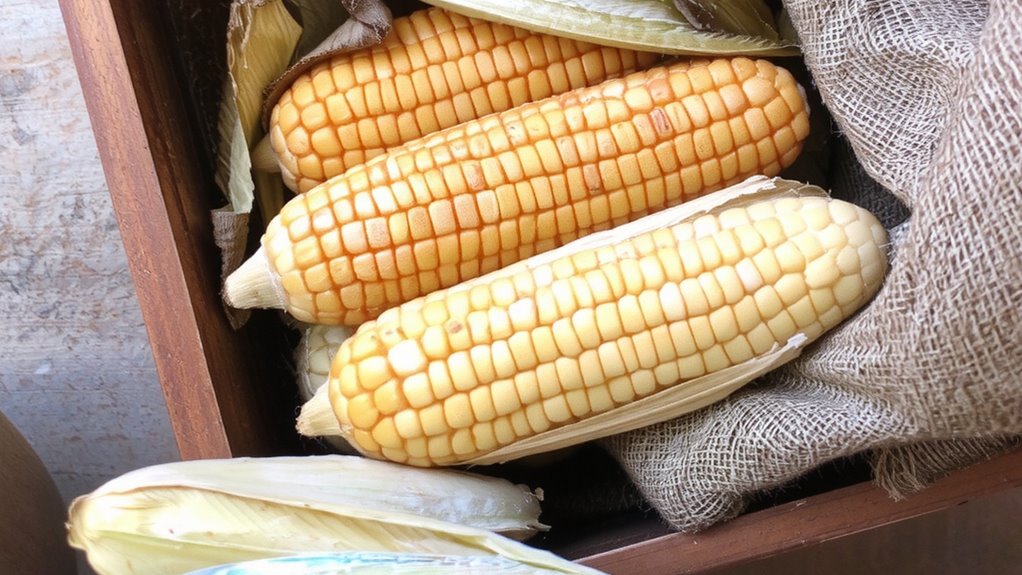
You’ll need just five straightforward steps to ferment corn cobs at home, and each one plays a critical role in developing the deep, smoky flavor profile prized in artisanal BBQ. First, clean the cobs thoroughly and let them air-dry until surface moisture evaporates-this initial moisture control prevents unwanted mold. Second, place cobs in a breathable container, like a wooden crate or mesh bag, to guarantee consistent air circulation. Third, store them in a cool, dark place with stable humidity; fluctuations can hinder fermentation. Fourth, check them every 48 hours, rotating positions to promote even microbial activity. Finally, after about five to seven days, when they emit a mild earthy aroma, fermentation is complete. Proper air circulation and moisture control are non-negotiable-without them, spoilage risks rise and flavor development suffers. Done right, home fermentation enhances complexity, giving your smoke a distinctive, terroir-driven edge worth the minimal effort.
Dry Fermented Cobs for Optimal Smoking
Proper drying is the linchpin of turning fermented cobs into a reliable smoking fuel. You’ll want to use slow, consistent curing techniques to preserve the complex earthy aromas developed during fermentation. Rushing this step can trap moisture, leading to uneven burns and bitter smoke. Air-drying in a well-ventilated, shaded space works best-typically taking 5–7 days. Once brittle and fully dried, the cobs are ready for use or long-term storage. Consider your storage methods carefully; seal them in breathable cotton sacks or paper containers to prevent moisture reabsorption while maintaining airflow.
| Curing Method | Drying Time |
|---|---|
| Air-dry (indoor) | 5–7 days |
| Dehydrator | 2–3 days |
| Sun-dry | 4–6 days |
These curing techniques impact smoke quality directly-patience pays off in flavor depth and combustion efficiency.
What to Smoke With Fermented Corn Cobs
Why settle for ordinary smoke when you can introduce a nuanced, smoky-sweet complexity to your barbecue? You’ll find fermented corn cobs shine when used with proteins that welcome earthy depth without overpowering their natural taste. Try them with pork shoulder or chicken-meats that absorb smoke well and complement the mild sweetness. For flavor pairing, the cobs’ subtle tang enhances dishes brushed with fruit-based or slightly sweet mops. Beef brisket can handle the intensity, though monitor exposure to avoid overwhelming the bark. Smoke experimentation here means blending control with creativity: use fermented cobs in moderation, either alone or mixed into existing wood loads. They aren’t a full substitute for hardwoods but an accent, best treated like a seasoning. You’ll notice refined layers in the finish-earthy, slightly fermented notes that elevate the profile without dominating. It’s a smart choice for pitmasters refining their craft.
Pairing Fermented Corn Cobs With Other Smoking Woods
Fermented corn cobs bring a distinct layer of aroma to the smoker, but their real potential unfolds when combined with traditional hardwoods. You’ll find that wood blending isn’t just about mixing fuels-it’s about flavor balance. Pairing the subtle, earthy tang of fermented cobs with stronger woods tempers intensity while adding complexity. Here’s how different combinations perform:
| Base Wood | Effect on Flavor Balance |
|---|---|
| Hickory | Adds bold sweetness, tames earthiness |
| Oak | Provides structure, enhances depth |
| Apple | Softens edges, introduces mild fruitiness |
| Mesquite | Risks overpowering-use sparingly |
You’ll get the best results when you blend fermented cobs at a 1:3 ratio with your base wood. This method maintains clean combustion while elevating nuance. Experimenting with wood blending helps you tailor smoke profiles to match specific meats and cooking styles, giving you greater control over the final taste. Choosing the right smoking wood type is essential for achieving balanced and nuanced results.
How Fermentation Adds Deep Smoke Flavor
While the smoky character of grilled food often traces back to wood selection and temperature control, fermentation introduces a hidden dimension that reshapes how smoke interacts with meat. When you ferment corn cobs before drying, microbes break down sugars and starches, creating complex compounds that amplify smoke absorption. These compounds don’t just add earthiness-they prime the surface of meat for deeper flavor development. As you grill, the Maillard reaction intensifies, generating richer browning and savory depth because the fermented smoke enhances amino acid reactivity. Enzymatic browning in the smoke-exposed meat also progresses more evenly, leading to a consistent crust. You’ll notice the smoke flavor isn’t just on the surface-it penetrates further, offering a layered profile. Fermentation, then, isn’t just prep; it’s a flavor catalyst. It transforms mild cobs into potent smoke agents, elevating your barbecue beyond simple charring into nuanced, aromatic complexity backed by chemistry and technique.
On a final note
You’ll find fermented corn cobs deepen your smoke profile with earthy, nuanced notes regular cobs can’t match. The extra fermentation step adds complexity, not hassle. Once dried, they burn clean and steady, making them ideal for poultry or pork. Paired with oak or applewood, they balance well, enhancing rather than overwhelming. This method’s worth the effort-delivering distinct flavor that sets your barbecue apart with subtle, smoky depth.