Cooking Tofu on a Konro Grill Without Sticking or Breaking
Use extra-firm or smoked tofu, at least one inch thick, to hold up under your konro grill’s intense heat. Press it for 20 minutes to remove excess water and improve browning. Preheat the grill for 15 minutes, then oil the grates with a high-smoke-point oil. Sear the tofu undisturbed until a dark crust forms, then flip once with a sturdy spatula. The right prep makes all the difference-and what comes next refines the technique further.
Notable Insights
- Use extra-firm or smoked tofu at least one inch thick to withstand grilling without breaking.
- Press tofu for at least 20 minutes to remove excess moisture and improve browning and texture.
- Preheat the konro grill 15 minutes to 400°F–500°F for consistent heat and sear development.
- Lightly oil the carbon steel grates to prevent sticking and ensure easy release during flipping.
- Wait until edges are darkened and slightly curled before flipping with a sturdy spatula to avoid tearing.
Choose the Right Tofu for Grilling
When it comes to grilling tofu on a konro, texture is king-your best bet is extra-firm or smoked tofu, since they hold their shape under high heat and won’t crumble on the grill grates. The dense Tofu texture resists flare-ups and sears beautifully, giving you that desirable char without falling apart. Silken or soft varieties? They’re a no-go here-too delicate for direct flame. You’ll want slabs at least one inch thick for even cooking. Once you’ve picked your tofu, think carefully about marinade types: thicker, oil-based marinades like sesame-soy or citrus-teriyaki cling better and promote caramelization, while thin, watery mixtures may steam the tofu instead of searing it. These choices directly affect flavor depth and surface integrity. Selecting the right combo of Tofu texture and marinade types isn’t just preference-it’s essential technique for successful konro grilling.
Press Tofu to Prevent Sticking
A sturdy slab of pressed tofu means the difference between flawless sear marks and a frustrating stick to the konro grates. Pressing removes excess water, improving tofu texture so it holds together and browns evenly. The longer you press, the firmer the result-but there’s a sweet spot. Too little pressing time leaves tofu fragile; too much can make it dense. For best results, press for at least 20 minutes. If you’re short on time, 15 minutes helps, but don’t skip it.
| Pressing Time | Tofu Texture Outcome |
|---|---|
| 10–15 min | Slightly firm, still prone to sticking |
| 20–30 min | Ideal-holds shape, resists breaking |
This prep step guarantees your tofu develops a rich crust without tearing.
Preheat and Oil Your Konro Grill
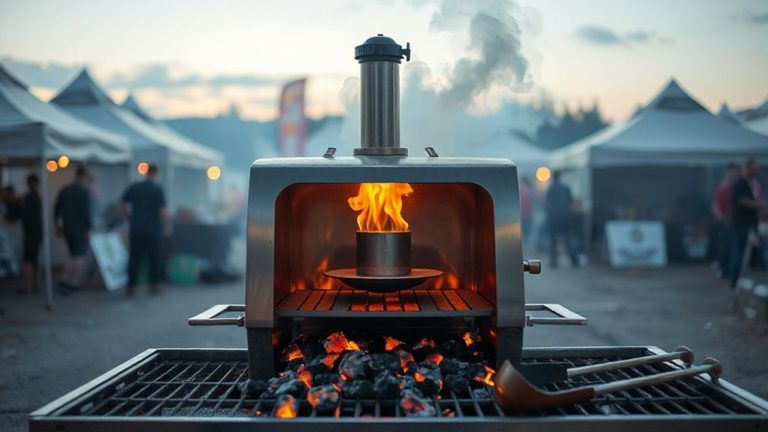
Now that your tofu’s properly pressed and ready to sear, it’s time to focus on the grill itself-because even the best-prepped block won’t cook right on a cold or dry konro surface. You’ll want to preheat your konro for at least 15 minutes to achieve the ideal grill temperature, typically between 400°F and 500°F. This high, consistent heat guarantees crisp edges without sticking. A well-heated surface also promotes better surface seasoning, especially if you’re using a carbon steel grill grate. That seasoned layer acts like a natural non-stick coating, developed over time through repeated heating and oiling. Before placing tofu, lightly brush the grates with a high-smoke-point oil-like grapeseed or avocado-to reinforce this barrier. Skipping preheat or oiling leads to inconsistent browning and sticking, undermining your prep work. Proper thermal management and surface seasoning aren’t just details; they’re essential for reliable, tasty results on a konro. For best results, choose a konro grill with a thick carbon steel grate that retains heat evenly and supports long-term seasoning.
Sear Tofu for Maximum Flavor
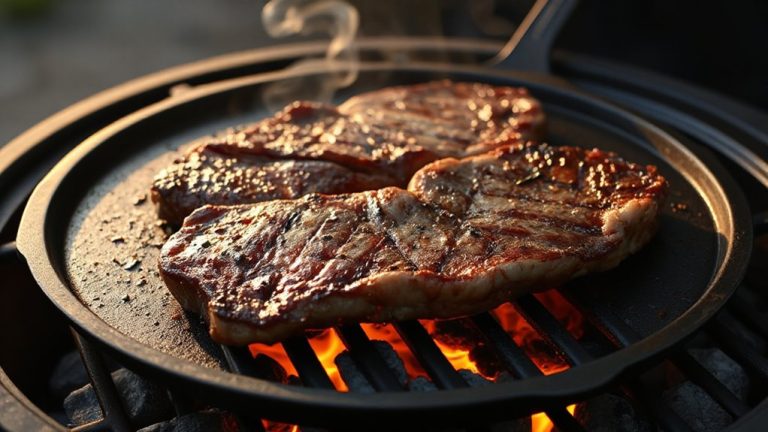
You’ll want to lay the pressed tofu directly onto the preheated konro grates at a 45-degree angle to those bars-if you’re after both handsome grill marks and even heat distribution. Let it sear undisturbed for several minutes so the surface moisture evaporates and the Maillard reaction kicks in. This develops a rich, smoky char that’s central to konro’s outdoor appeal. The intense, direct heat creates a crispy texture no pan can replicate, transforming firm tofu into something deeply savory. Because konro grills use binchotan charcoal, the flame is clean and steady, minimizing flare-ups while maximizing flavor. You’ll notice the edges crisp and caramelize without burning, provided airflow stays consistent. Unlike gas grills, this method rewards patience-rushing risks sticking and uneven browning. The outcome? A tofu exterior with restaurant-quality depth, ideal for bold sauces or minimalist garnishes.
Flip Tofu at the Right Moment
Watch for the edges to darken and curl slightly-that’s your cue the tofu’s ready to flip. This visual signal means the surface has developed a firm crust, essential for preserving tofu texture when turning. Flip too soon, and the soft side sticks or tears; wait too long, and it risks burning, compromising both flavor and consistency. Proper grill timing isn’t just about heat control-it’s about patience and observation. The konro’s intense, direct flame sears quickly, so you need to monitor closely. Use a thin, sturdy spatula and commit to one swift motion-hesitation increases breakage. When flipped at the right moment, tofu retains its shape while achieving that desirable charred exterior and tender interior. Grilling isn’t just cooking-it’s timing, technique, and understanding how heat interacts with delicate proteins. Master this, and your tofu won’t just hold up-it’ll impress.
On a final note
You’ve got this: choosing firm or extra-firm tofu, pressing it well, and preheating your konro grill guarantees clean searing. Oil the grates properly, and wait for that perfect release before flipping-timing prevents breakage. Konro grills deliver intense, even heat, ideal for caramelization without drying. They’re compact and efficient, though require attentive fuel management. With practice, grilled tofu turns smoky, textured, and robust-proof that technique and tool matter equally in outdoor cooking.