Using Natural Dung or Wood as Fuel in Traditional Tandoor Cooking
You get richer, more complex tandoor bread when using wood or dung as fuel because they deliver steady radiant heat and aromatic smoke that electric ovens can’t match. Wood burns hotter-up to 900°F-offering better sear and efficiency, while dung burns slower and cleaner, adding earthy notes without waste. Both fuels sustain flavor traditions and village economies, with smart oven design managing smoke effectively. Their performance and cultural value explain why natural fuels remain essential. There’s more to how each fuel shapes taste and technique than meets the eye.
Notable Insights
- Natural dung and wood impart a distinctive smoky, earthy flavor to tandoor bread through aromatic combustion.
- Wood burns hotter (700°F–900°F) than dung (up to 600°F), offering better heat control for tandoor cooking.
- Dung provides a slow, steady burn and is sustainable, made from dried cow manure in rural settings.
- Wood smoke releases flavor compounds like guaiacol, enhancing the bread’s aroma and crust development.
- Traditional ventilation methods manage smoke using clay ovens outdoors, preserving taste and air quality.
Why Dung and Wood Make Tandoor Bread Taste Better
While modern ovens offer consistency, it’s the unpredictable dance of flame and smoke from dung or wood that gives tandoor bread its distinctive flavor. You get a depth most electric models can’t replicate, thanks to the slow, radiant heat and aromatic combustion. These fuels enhance flavor complexity, infusing each naan or roti with subtle smokiness and earthiness shaped by the organic material burning within. Even though dung might seem unusual, its low moisture and steady burn complement wood, creating a balanced heat profile ideal for blistering breads. This method isn’t just tradition-it’s a matter of cultural preference, rooted in generations who value taste over convenience. The scent alone evokes authenticity, a sensory hallmark of outdoor cooking done right. For those seeking genuine tandoor character, natural fuels remain unmatched, transforming simple dough into something layered, rustic, and deeply satisfying through heat, time, and heritage.
Which Fuels Burn Hotter: Dung vs. Wood in Tandoor Ovens?
Heat intensity in tandoor ovens hinges on fuel choice, and you’ll find that wood generally burns hotter than dung, reaching temperatures between 700°F and 900°F when properly seasoned and dry. Dung, while still effective, typically maxes out around 600°F, limiting the peak heat intensity you can achieve. That lower temperature affects how quickly foods sear and cook, especially dense meats or thick doughs. You’ll also notice that wood offers better fuel efficiency-less volume is needed to maintain high heat over time. Dung burns slower but requires more frequent adding to sustain consistent temps. For tasks demanding intense, steady heat like roasting or rapid bread baking, wood’s superior thermal output and efficiency make it the practical choice. Though dung works in resource-limited settings, wood gives you more control and performance, especially when mastering high-heat tandoor techniques.
How Wood Fire Builds Smoky Flavor in Tandoor Breads
When you’re baking naan or roti in a tandoor, the type of fire you use doesn’t just affect temperature-it shapes flavor, and wood fire brings a distinct smoky depth that dung can’t replicate. As the wood burns, it releases aromatic compounds like guaiacol and syringol, which cling to the bread’s surface, driving both flavor development and aroma enhancement. Hardwoods such as mango or sheesham burn hot and steady, producing a clean, lingering smoke that subtly infuses each layer of dough. You’ll notice the crust crisps quickly while absorbing that classic, earthy-smoky note prized in traditional tandoor breads. Unlike dung, wood doesn’t leave a sharp, acrid aftertaste, allowing natural dough flavors to shine. For artisans pursuing authentic taste and complexity, wood remains unmatched. The fire’s behavior is easier to manage, contributing to consistent results. If smoky richness defines your ideal naan, wood is the clear fuel of choice.
How Dung Fuels Sustainable Tandoor Cooking in Villages
You might prize wood for its rich smoke and flavor in tandoor bread, but in many rural villages, cow dung isn’t just a fallback fuel-it’s a practical and sustainable choice that aligns with daily life and resource availability. You collect and dry dung as part of routine animal husbandry, turning waste into a reliable heat source. This recycling reduces the environmental impact of biomass waste while preserving forests by decreasing wood demand. Dung burns steadily, maintaining the consistent high heat tandoors need. For you, this method supports the rural economy by cutting fuel costs and allowing households to allocate resources elsewhere. Though less aromatic than wood, dung is accessible and efficient. Its use reflects a balance between tradition and sustainability, where practical energy solutions emerge not from convenience but necessity. You rely on it not because it’s ideal, but because it works-within ecological limits and economic realities-making it a quietly essential part of village life.
How Traditional Cooks Manage Smoke in Tandoor Ovens
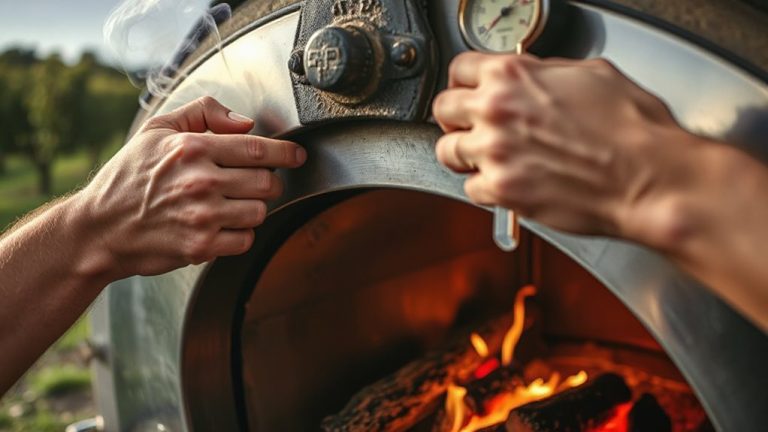
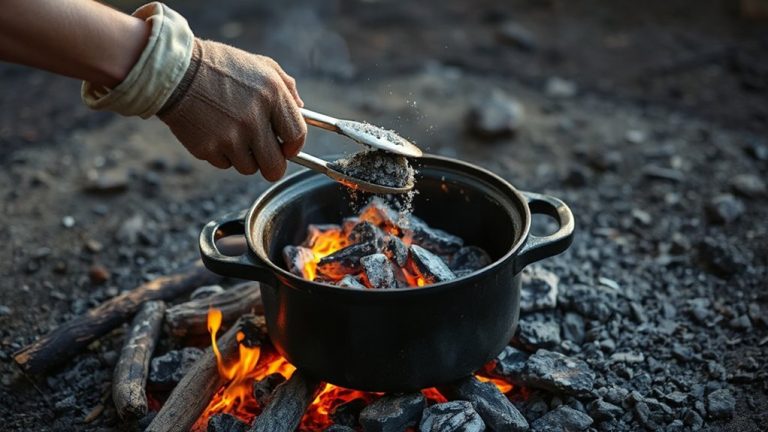
Though smoke is an inevitable byproduct of combustion in tandoor ovens, traditional cooks have long mastered techniques to manage it without sacrificing heat or flavor. You rely on smart smoke ventilation methods-like slightly elevated oven mouths or outdoor positioning-to direct fumes away while preserving steady heat retention. You’ve learned to layer fuel wisely, letting embers form beneath logs or dung patties, so smoke clears as the fire stabilizes. The tandoor’s thick clay walls do their part, trapping heat efficiently while allowing minimal smoke diffusion.
| Element | Feels Like | You Value This Because… |
|---|---|---|
| Clear airflow | A deep breath | Smoke won’t sting eyes or ruin food |
| Steady flame | Controlled warmth | Heat retention means even cooking |
| Low emissions | Clean satisfaction | Fuel burns fully, not wasted |
| Crisp naan | Golden perfection | Smoke ventilation worked just right |
| Earthy scent | Familiar comfort | Tradition feels alive, not smothered |
Why Tradition Keeps Natural Fuels Alive in Tandoor Cooking
Because the tandoor’s cooking performance is so closely tied to its fuel source, natural materials like dried dung and seasoned hardwood remain staples despite modern alternatives. You rely on these fuels not just for heat but for the subtle, smoky depth they impart to flatbreads and meats-something gas or electric can’t replicate. The steady, radiant heat from burning wood or dung guarantees even cooking, essential for perfect naan or tandoori chicken. Beyond performance, you’re participating in cultural preservation every time you stoke the fire the way your ancestors did. These methods are embedded in everyday rituals, passed down through generations. Choosing natural fuels isn’t nostalgia-it’s a commitment to culinary heritage. Modern options may offer convenience, but they lack the authenticity and tradition that define true tandoor cooking. You keep this practice alive because flavor, memory, and identity are still best served hot, smoky, and handmade.
On a final note
You’ll find that wood and dung each bring distinct advantages to tandoor cooking. Wood delivers high, consistent heat and a rich smokiness prized in artisanal breads. Dung burns steadily at high temperatures too, offering fuel security in rural areas where wood is scarce. Both support traditional techniques that modern fuels often fail to replicate. Though they require skill to manage, their performance and sustainability keep them relevant in authentic tandoor practice.