How to Convert an Open Pit Fire Into a Multi-Level Cooking Platform
Start by building a stable base with firebrick or fieldstone to insulate and support heat-resistant steel or cast iron grates. Stack layers to form tiered platforms, sloping each slightly for ash runoff. Use thick, durable materials that won’t warp under high heat. Position coals to create distinct high, medium, and low zones for better control. Elevate fuel for airflow, keep clearances safe, and you’ll access restaurant-style versatility-there’s more to master in refining your setup.
Notable Insights
- Use heat-resistant materials like stainless steel, cast iron, or firebrick to build durable, multi-level cooking surfaces.
- Stack firebricks or stones to create tiered platforms with slight slopes for ash runoff and improved functionality.
- Designate distinct heat zones by concentrating coals on one side for searing, tapering to low-heat areas for warming.
- Incorporate horizontal rods or adjustable grates on different levels to support various cooking methods and food types.
- Ensure safety with proper clearance, elevated fuel grates for airflow, and a nearby extinguishing source.
Choose the Right Materials for a Stable Fire Cooking Base
Strength and stability start with smart material choices-because nobody wants a wobbly cook surface when searing a steak over open flame. You need materials that offer both heat retention and material durability to handle repeated thermal stress. Heavy-gauge steel grates, like those made from stainless or carbon steel, endure high temperatures while radiating consistent heat-ideal for even cooking. Cast iron plates also deliver excellent heat retention, though they’re prone to rust if not maintained. Avoid thin, untreated metals; they warp quickly and compromise safety. Fieldstone or firebrick bases add structural support and naturally insulate the heat, improving long-term performance. You’ll notice a difference in control when the base doesn’t shift or degrade after a few uses. Prioritize thickness, density, and resistance to thermal cycling-these traits define longevity in any outdoor cooking setup. Your fire’s reliability hinges on what’s holding it up. For versatile setups, consider pairing your base with one of the best open fire grills, as they’re designed to maximize heat control and cooking efficiency. best open fire grills
Build Your Multi-Level Cooking Structure Step by Step
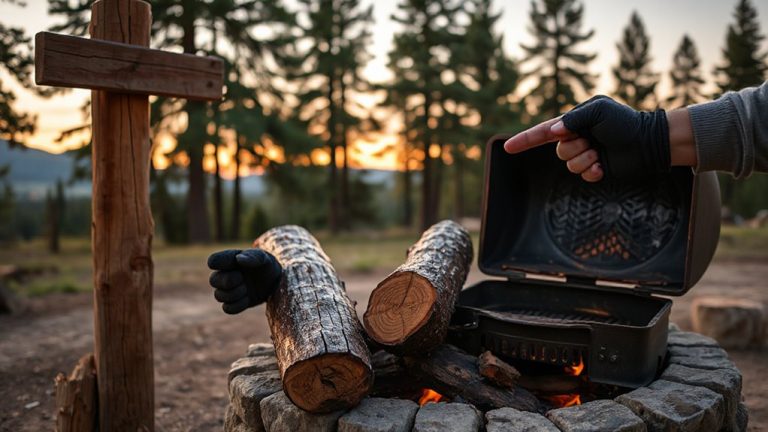
A well-designed cooking structure turns raw fire into fine-dining potential, and building yours in multiple levels gives you precise control over heat zones-something every serious outdoor cook needs. Start by stacking heat-resistant stones or bricks to create tiered platforms, ensuring each level is stable and sloped slightly for ash runoff. The top tier works best for delicate items, while the lower shelves handle searing tasks. Incorporate grill modifications like adjustable grates or sliding racks to shift food quickly when flare-ups occur. This adaptability enhances both safety and cooking precision. Position horizontal rods across the middle level to support varied skewer arrangements, allowing even roasting without constant rotation. Use stainless steel or forged iron for longevity. Secure all components so they won’t shift during use, and leave space beneath for air circulation to maintain consistent combustion. Proper construction means easier maintenance and reliable performance over countless meals. For optimal results, consider using best campfire grill grates to enhance heat distribution and cooking efficiency.
Create High, Medium, and Low Heat Cooking Zones
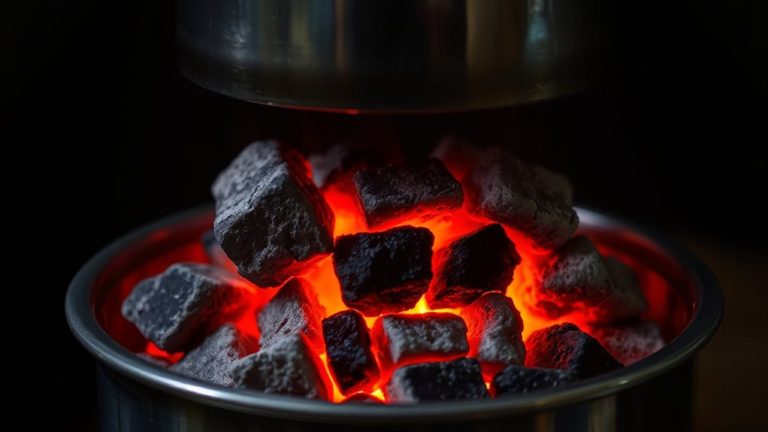
You’ll want to think of your fire as more than just a heat source-it’s the engine of your cooking system, and dividing it into high, medium, and low heat zones gives you real control. For effective heat control, start by concentrating burning coals on one side for a high-heat zone-ideal for searing. Let embers taper to a medium zone in the center, where temperatures are steady for roasting or grilling. On the opposite end, maintain a low-heat zone with minimal coals, perfect for warming or slow-cooking delicate foods. Proper zone isolation keeps tasks separate and prevents overcooking. This layout mimics professional grills, letting you manage multiple dishes simultaneously. You’ll notice better cooking efficiency and more consistent results. With practice, adjusting zones becomes intuitive, enhancing both precision and versatility. It’s not just about flame-it’s about strategy, balance, and smart heat management. A well-structured bushcraft campfire styles setup supports these heat zones while maximizing fuel efficiency and ease of use.
Keep Your Setup Safe and Airflow Efficient
Proper airflow isn’t just about keeping the fire going-it’s about maintaining control, efficiency, and safety in your open pit setup. You need consistent airflow management to prevent smoke buildup and uneven burning, which can compromise both cooking performance and fire safety. Position your fire ring or pit so wind doesn’t push flames toward flammable materials, and leave at least three feet of clearance on all sides. Use a metal grate to elevate fuel, allowing air to circulate beneath, which promotes cleaner combustion. Avoid overloading the pit-cluttered wood restricts airflow and increases risk. Check for sparks or embers escaping, especially in dry conditions. A nearby bucket of water or sand is essential. Thoughtful airflow management doesn’t just improve heat control-it actively prevents accidents, making fire safety a natural result of good design and constant vigilance.
Customize Your Fire Cooking Layout for Any Meal
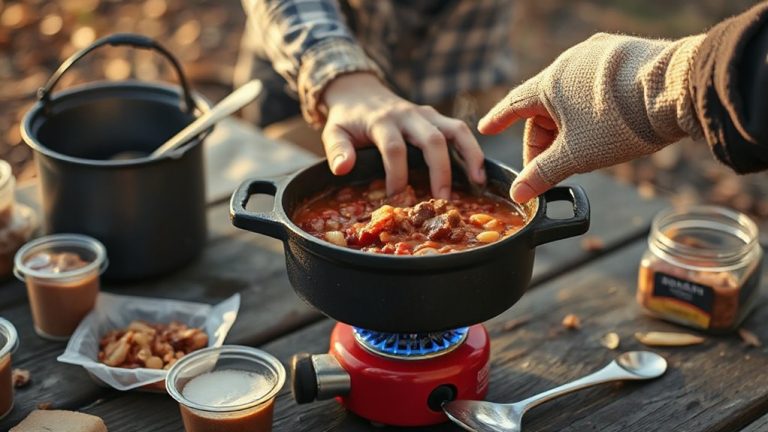
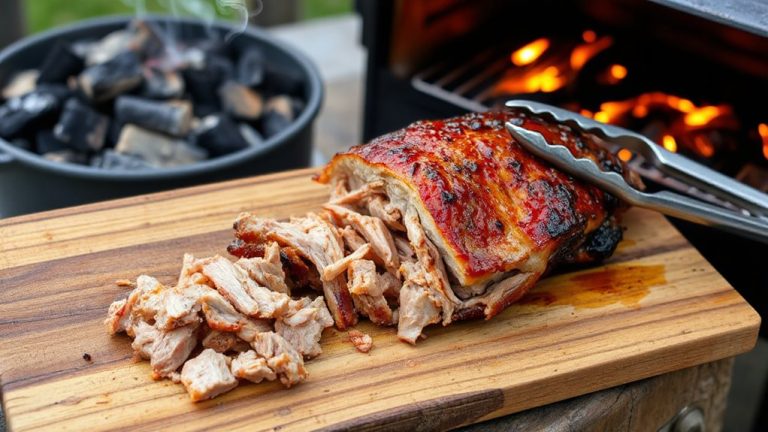
Now that you’ve secured a safe, well-ventilated fire setup, it’s time to think about how the layout affects what you cook. Position coals at varying distances to manage heat zones-high heat for searing, medium for steady cooking, and cooler areas for resting. This control lets you sync meal timing, so proteins finish as sides warm. Elevate grates or use skewers to adjust height, enhancing flavor infusion through smoke exposure and radiant heat. Cast iron holds heat well, ideal for slow-cooked dishes, while direct grilling suits quick vegetables. A well-planned layout prevents overcooking and supports sequential serving. For complex meals, reposition items as flames shift. Thoughtful arrangement doesn’t just improve efficiency-it deepens flavor infusion through better heat management. Mastering this balance turns open-fire cooking from guesswork into a reliable, adaptable system that responds to each meal’s unique needs.
On a final note
You’ve built a versatile cooking platform that maximizes heat control and efficiency. By layering stones or metal grates, you create distinct zones ideal for searing, simmering, or warming-key for complex outdoor meals. Proper airflow maintains steady combustion, while durable materials guarantee stability and safety. This setup outperforms basic pits, offering restaurant-grade flexibility. With routine ash clearance and structural checks, it remains reliable. For serious BBQ or camp cooking, this system is a practical, high-performance upgrade worth the effort.