Using Mesquite Charcoal Responsibly to Avoid Bitter Flavors in Pulled Pork
You’ve got to use mesquite charcoal wisely or it’ll overpower your pulled pork with bitter, medicinal flavors. Blend it with oak or pecan to balance its aggressive smoke, and only use a few chunks-not as your main fuel. Keep temps low (225°F–250°F) and aim for thin, blue smoke by adjusting your vents for clean combustion. This prevents harsh phenols and soot. With the right control, mesquite adds bold depth without ruin-and there’s more to mastering this balance than just wood choice.
Notable Insights
- Blend mesquite with milder woods like oak or pecan to balance its strong, bitter smoke.
- Use mesquite sparingly as a flavor booster, not as the primary fuel source.
- Maintain a low smoking temperature between 225°F and 250°F to prevent harsh compounds.
- Adjust smoker vents to ensure thin, blue-tinged smoke for clean flavor delivery.
- Season wood thoroughly and avoid resinous, green mesquite to reduce medicinal aftertaste.
Why Mesquite Can Ruin Your Pulled Pork
Why exactly does mesquite charcoal sometimes turn your carefully prepared pulled pork into an acrid, bitter mess? Because mesquite burns hot and fast, delivering a sharp, smoky punch that overwhelms delicate meats. You’re likely underestimating the mesquite intensity-it’s not subtle. Even experienced pitmasters can misjudge how quickly that boldness shifts from flavorful to foul. The flavor dominance of mesquite easily overtakes pork’s natural sweetness, especially during long smokes where resinous notes concentrate. Unlike milder woods, mesquite releases dense, phenolic compounds that coat the meat, creating a medicinal aftertaste if unbalanced. You’ll notice it in the finish-harsh, dry, almost burnt-despite perfect internal temps. That’s not poor technique; it’s chemical overload. Relying solely on mesquite ignores its inherent aggression. For pulled pork, where tenderness and nuance matter, that dominance becomes a liability. You need control, not brute force. Without it, mesquite doesn’t enhance-it corrupts. Choosing the right base best charcoal for smoking ensures better heat stability and reduces the risk of overpowering your meat.
Blend Mesquite With Oak or Pecan for Balance
While mesquite delivers a bold, unmistakable smokiness, using it alone can overwhelm pulled pork with harsh, bitter notes-so blending it with oak or pecan tempers that intensity while preserving depth. You’ll find that this charcoal pairing strikes a smarter balance, mellowing mesquite’s aggressive edge without sacrificing flavor. Oak adds a steady, medium-strong smoke that builds complexity, while pecan lends subtle sweetness and nuttiness, enhancing tenderness in the meat. This wood synergy allows temperature to stay consistent and smoke flavor to layer gradually-critical for long cooks. You’re not masking mesquite; you’re refining it. Most pitmasters agree that balanced blends like these yield more approachable, restaurant-quality results. And since pulled pork benefits from nuance over brute force, choosing complementary woods isn’t just practical-it’s essential for flavor control. Stick with this combo, and you’ll notice cleaner finishes and fewer bitter aftertastes. For best results, consider the moisture content and wood grain when selecting your best smoking wood to ensure consistent smoke production and flavor development.
Use Mesquite as a Smoke Booster, Not Main Fuel
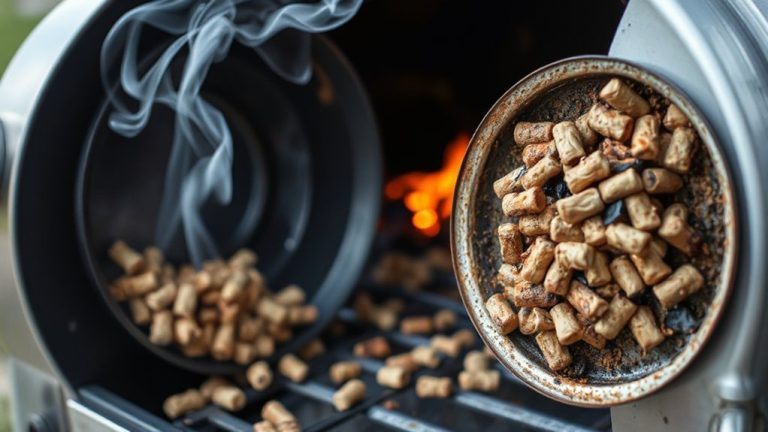
Since mesquite burns hot and fast with an intense smoke profile, you’ll want to treat it as a flavor enhancer rather than your primary fuel source. Using it as your main charcoal can overwhelm your pulled pork with acrid, bitter notes, especially when smoke control is poor. Instead, mix a few chunks or chips of mesquite into a base of milder charcoal like lump hardwood or briquettes. This approach delivers bold flavor enhancement without sacrificing heat stability. You’ll get that signature mesquite punch-rich, earthy, and slightly sweet-without the risk of creosote buildup. For long cooks, maintaining consistent, clean smoke is easier when mesquite plays a supporting role. Too much too soon leads to harshness, not depth. By limiting mesquite to a boost, you gain precision in smoke control and protect the meat’s natural taste. It’s a smarter, more balanced method for achieving professional-quality results at home. Pairing mesquite with best wood chips for smoking ensures a well-rounded smoke profile that enhances rather than overpowers.
Adjust Vents for Cleaner Mesquite Smoke
When mesquite’s bold smoke threatens to tip from flavorful to harsh, your smoker’s vents become the key to balance. You need precise airflow control to maintain clean combustion-too little oxygen and the fire produces thick, acrid smoke that overwhelms the meat. By adjusting the intake and exhaust vents, you manage both temperature and smoke density, ensuring a steady stream of thin, blue-tinged smoke instead of heavy white plumes. That clean burn extracts mesquite’s sweet, earthy notes without the bitterness. Most experienced pitmasters agree that restrained smoke, guided by smart vent adjustment, yields better flavor depth. You’re not just feeding the fire; you’re shaping the smoke’s character. Open vents slightly increase airflow, thinning the smoke, while closing them boosts density-use this to fine-tune in real time. Proper airflow control doesn’t just sustain the fire; it refines the smoke, making it a tool, not a takeover.
Keep Temperature Low to Avoid Bitterness
Though mesquite charcoal delivers a powerful, distinctive flavor, you’ll want to keep the smoker’s temperature low-ideally between 225°F and 250°F-to avoid pulling out its harsher, more bitter compounds. Maintaining a low temperature isn’t just about patience; it’s essential for proper flavor control. At higher heats, mesquite releases phenols and carbonyls aggressively, overwhelming the meat with acrid notes. This careful approach guarantees the smoke enhances, not dominates.
| Temperature Range | Flavor Impact |
|---|---|
| 225–250°F | Smooth, rich, balanced |
| 250–275°F | Noticeable smokiness, slight bite |
| 275–300°F | Intense, borderline bitter |
| 300°F+ | Harsh, acrid, unpleasant |
Staying within the ideal range gives you clean smoke and predictable results, critical when using potent hardwoods like mesquite. Proper low temperature management is one of the most effective forms of flavor control in barbecue.
Maintain Thin, Blue Smoke for Best Flavor
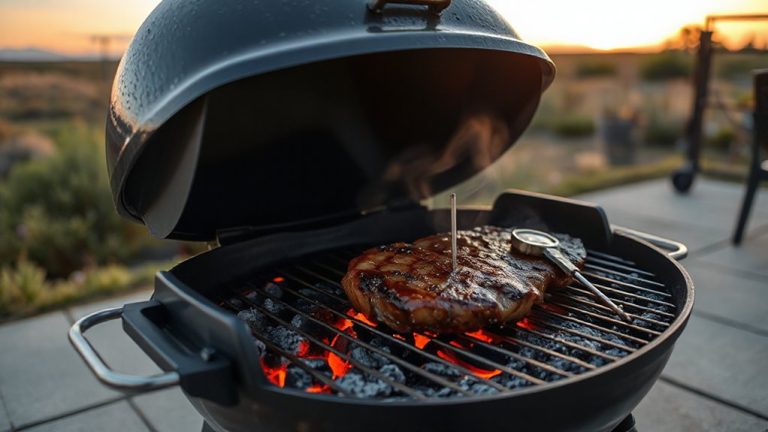
You’ve nailed the temperature, keeping your smoker steady between 225°F and 250°F to prevent mesquite from turning harsh, and now it’s time to pay close attention to the color and thickness of the smoke you’re producing. Aim for thin, blue smoke-it’s a sign of clean, efficient combustion and delivers the best flavor. Thick, white smoke means incomplete burning, often caused by poor airflow or wet wood, leading to soot and bitterness. Smoke density matters: lighter, wispy trails penetrate meat without overwhelming it. Guarantee your mesquite charcoal is fully lit and burning clean before adding the pork. Wood freshness plays a key role, too-dry, seasoned wood ignites easier and sustains cleaner smoke. Never add green or damp chunks. Monitor consistently; fluctuations disrupt flavor development. With proper smoke management, your pulled pork gains complexity, not acrid notes.
On a final note
You’ve got to handle mesquite charcoal with care-it packs a pungent punch that can easily overwhelm pulled pork. Used alone, it often creates bitter, acrid notes, especially at high temps. Instead, blend it with milder woods like oak or pecan to balance the flavor. Run your cooker low, aim for thin, blue smoke, and use mesquite as a booster, not the base. Proper airflow via vent adjustment guarantees clean combustion, letting the meat absorb rich, smoky depth without harshness.