Using Hardwood Species Like Oak and Hickory for Steady, Long-Lasting Wood Fires
You’ll get steady, long-lasting fires when you use seasoned oak and hickory-both burn hot and clean thanks to their high density and low smoke output. Hickory delivers more heat per cord than oak, making it ideal for searing and sustained cooking, while properly split and dried wood guarantees reliable performance. Store it off the ground, stack it for airflow, and start with kindling to overcome ignition challenges. The right prep means fewer adjustments and better results-there’s more to get right if you want maximum efficiency.
Notable Insights
- Oak and hickory provide steady, long-lasting fires due to their high density and consistent heat output.
- Properly seasoned oak and hickory burn cleaner with low smoke, requiring moisture content below 20%.
- Split wood into 3–6 inch pieces to ensure faster drying, easier stacking, and uniform burning.
- Season oak and hickory for 12–24 months, stacking them off the ground with full airflow for best results.
- Hickory yields more heat (~28 million BTUs per cord) than oak, making it ideal for sustained, high-heat fires.
Why Oak and Hickory Are Best for Long-Lasting Fires
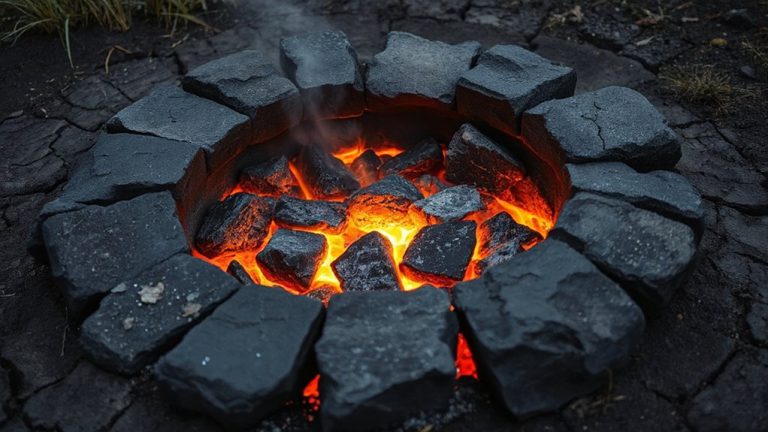
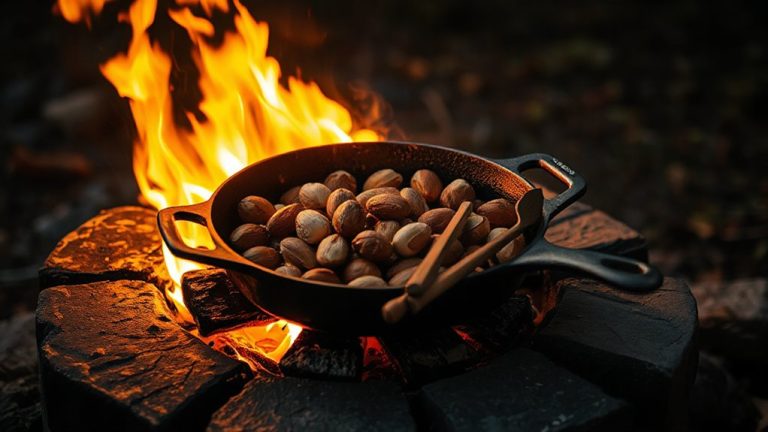
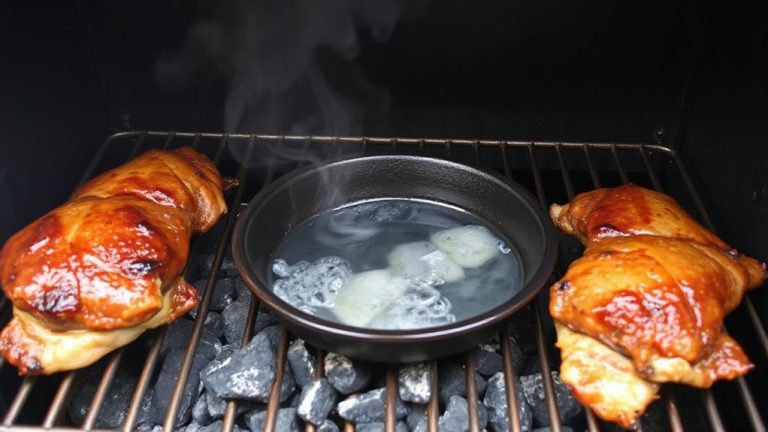
While some hardwoods burn quickly or produce excessive smoke, oak and hickory stand out for their density and consistent heat output, making them ideal choices if you’re after a fire that lasts for hours. You’ll notice their low smoke density once the wood is properly seasoned, giving you a cleaner burn that won’t overpower your food with harsh fumes. Their burn consistency guarantees a steady temperature-critical when you’re slow-smoking brisket or roasting for hours outdoors. Unlike softer woods that flare and fade, these hardwoods deliver predictable performance, letting you maintain control without constant adjustments. You’ll spend less time adding logs and more time monitoring your cook. Whether you’re using a smoker or open fire pit, oak and hickory provide reliable heat with minimal fluctuations. For anyone serious about outdoor cooking, their efficiency and long burn times make them the top-tier choice where performance matters most. For trusted options, check out the Best Hickory Picks based on burn quality and availability.
How to Choose High-Quality Oak and Hickory Firewood
You’ve probably heard oak and hickory praised for their long, steady burns, and for good reason-they’re powerhouses when you’re cooking for hours and need predictable heat. When choosing high-quality oak and hickory firewood, moisture content is critical; aim for wood dried below 20%, which burns cleaner and hotter. Wood with high moisture sizzles, smokes, and wastes fuel. You can test this with a moisture meter or by checking for darkened ends and cracks. Split size matters, too-aim for pieces 3 to 6 inches in diameter. They dry faster, stack easier, and feed your fire consistently. Oversized chunks burn unevenly and may smolder, while overly small splits vanish too quickly. Look for uniformly split, seasoned logs with a rough, weathered feel but no mold or rot. Quality firewood boosts your control, especially with slow smoking or searing. Pick wisely-your results depend on it. For reliable performance, consider purchasing from a reputable supplier offering best fire pit wood.
How Long to Season Oak and Hickory for Maximum Heat
Since oak and hickory are dense hardwoods with tight grain structures, they take longer to season than softer or more porous woods-typically twelve to twenty-four months for full drying when stacked properly. You’ll want to aim for a moisture content below 20% to guarantee clean, efficient burning and maximum heat output. Splitting the logs early helps speed up the drying time by exposing the inner wood to air and sunlight. How you store the stack matters, too-elevate it off the ground and leave space for airflow. If you skip proper seasoning, you’ll deal with smoky fires and wasted energy. Monitoring moisture content with a meter takes the guesswork out, letting you burn smarter. Yes, the drying time is long, but it’s non-negotiable for top performance. Well-seasoned oak and hickory won’t just light easier-they’ll deliver steady heat ideal for serious outdoor cooking and long BBQ sessions. Patience pays off in BTUs.
Oak vs. Hickory: Which Produces More Heat?
When it comes to heat output, both oak and hickory stand tall among firewood choices, but they don’t perform exactly the same. You’ll find hickory delivers a higher BTU comparison-around 28 million per cord-versus white oak’s solid 26. As a result, hickory burns hotter and longer, making it ideal when you need intense, steady heat for searing or maintaining a consistent fire. Oak still offers excellent warmth but requires slightly more wood for the same output. Both woods produce low smoke output when properly seasoned, ensuring cleaner burns and better air quality. For outdoor cooking or BBQ, hickory’s extra heat can give you a competitive edge, especially during cold months or long smoke sessions. While oak is dependable, hickory edges ahead in efficiency and intensity without compromising burn time. Your choice depends on availability and demand, but for raw heating power, hickory’s the winner.
The Right Way to Store Firewood for Dry, Clean Burns
Off the ground and out of the shadows is where your firewood belongs if you want it to burn cleanly and efficiently. Elevation prevents moisture absorption and reduces rot, while sunlight and airflow speed seasoning. You need proper stacking-neat, crisscrossed rows with space between logs-to maximize ventilation and stability. Tight piles trap humidity, undermining moisture control and inviting mold. Cover only the top third of the stack to shed rain without trapping steam. Uncovered sides let wind circulate, essential for drying dense hardwoods like oak and hickory. Freshly cut wood can hold over 50% moisture; aim for under 20% before burning. A moisture meter helps verify readiness. Poor storage leads to smoky, inefficient fires that gunk up chimneys. Good stacking isn’t just neat-it’s functional, ensuring consistent, clean burns season after season.
How to Start a Fire With Dense Hardwoods
Though dense hardwoods like oak, maple, and hickory deliver long, hot burns perfect for steady heat, they can be stubborn to ignite if you’re not setting things up right. Proper ignition starts with good fire layering-never toss a log on and hope. Begin with dry tinder, add small kindling, then build upward. Use softwood splits or fire starters as kindling to generate enough heat to ignite the dense hardwoods on top. Maintain airflow and stack wood loosely to encourage steady flame progression. For extended outdoor cooking sessions, consider pairing your hardwood fire with best turkey hunting pellets for efficient game preparation.
| Layer | Material |
|---|---|
| Bottom | Dry bark, paper |
| Lower | Softwood kindling |
| Middle | Hardwood splits (small) |
| Upper | Oak or hickory logs |
| Around flame | Fire starter cubes |
This method guarantees reliable lighting and moves smoothly into sustained, high-temperature burns ideal for outdoor cooking.
Top Mistakes That Kill Your Oak and Hickory Fire
Getting your oak and hickory fire going is only half the battle-keeping it consistent matters just as much, especially when you’re relying on it for outdoor cooking or slow-smoked BBQ. Using wet wood is one of the biggest mistakes you can make; it produces excessive smoke, reduces heat output, and creates creosote buildup. Even seasoned hardwood needs proper storage-off the ground and covered-to maintain its dryness. Poor airflow is equally detrimental. If your stack is too tight or your fire pit lacks ventilation, the fire starves, smoldering instead of burning cleanly. You’ll notice weak flames and inconsistent temperatures, which ruin slow-cooking precision. Arrange logs with gaps for oxygen flow, and use a rack or grate when possible. Avoid crowding the firebox. These mistakes undercut the natural advantages of oak and hickory-their density and long burn times-so fixing them guarantees steady, controllable heat for reliable results.
On a final note
You’ll get the most efficient, long-burning fires using well-seasoned oak or hickory, both known for high heat output and slow burn rates. Hickory delivers slightly more BTUs than oak, but both require proper drying-ideally 12 to 24 months-for clean combustion. Stored correctly, they minimize creosote buildup. For outdoor cooking, their steady coals and strong smoke enhance flavor, making them top choices. Just avoid green wood or poor airflow setups, which undercut performance.