Using Dried Lavender Sparingly to Avoid Soapy Notes in Meat Rubs
Use dried *Lavandula angustifolia* sparingly-just ½ to 1 teaspoon per cup of rub-to add floral depth without soapiness. Grind it finely so flavors disperse evenly and don’t overpower. Pair with lamb, chicken, or pork, which stand up to its perfume. Balance with robust herbs like rosemary and thyme, plus garlic and lemon zest. Always let the rubbed meat rest overnight; this melds the flavors and softens any sharp edges. Choose culinary-grade, pesticide-free buds for best results-you’ll find even subtle touches make a difference.
Notable Insights
- Use only *Lavandula angustifolia* labeled “culinary lavender” to ensure a mild, non-soapy flavor.
- Grind dried buds finely to disperse flavor evenly and avoid concentrated, soapy notes.
- Limit lavender to ½ to 1 teaspoon per cup of spice rub to prevent floral dominance.
- Pair lavender with robust meats like lamb or pork that can balance its aromatic intensity.
- Rest rubbed meat for several hours or overnight to mellow lavender’s essential compounds.
Choose the Right Culinary Lavender for Rubs
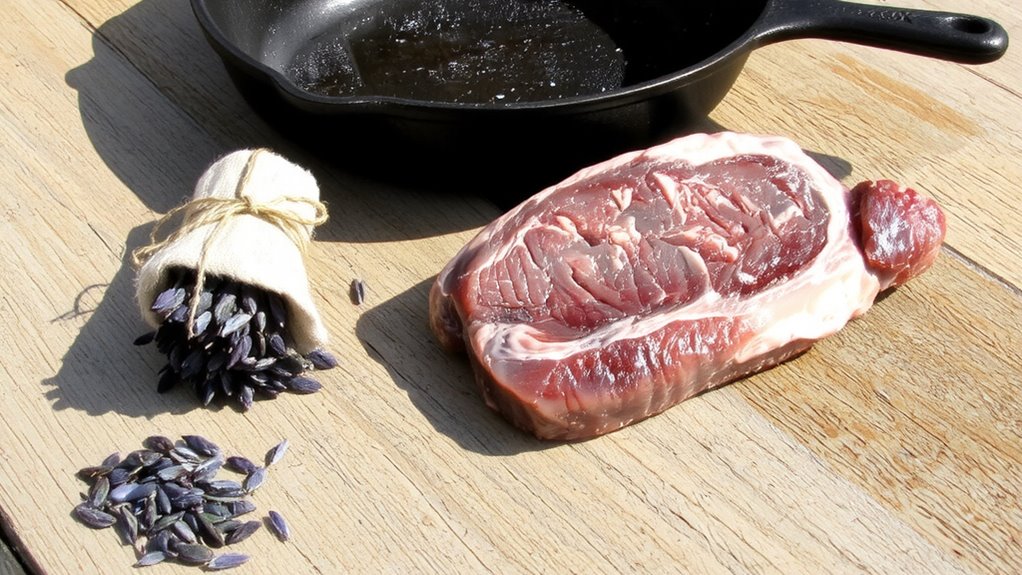
Start by selecting the right type of lavender-your choice here makes all the difference. For spice rubs, you’ll want *Lavandula angustifolia*, the only variety mild and sweet enough for culinary use. Unlike *Lavandula x intermedia* or *stoechas*, which carry high camphor levels and taste soapy, *angustifolia* delivers balanced floral notes without bitterness. Make sure the dried lavender buds you choose are labeled “culinary lavender,” confirming they’re grown without pesticides and safe to eat. Varieties like Royal Velvet or French Fields are bred specifically for cooking and offer superior flavor. When crafting your rub, knowing your source matters-Willamette Valley Lavender, for example, grows organic, hand-harvested *Lavandula angustifolia* that guarantees purity. Using true culinary lavender means your meat gains complexity, not chemical aftertaste. This careful selection elevates your outdoor cooking from good to expert-level.
Grind Dried Lavender for Even Flavor
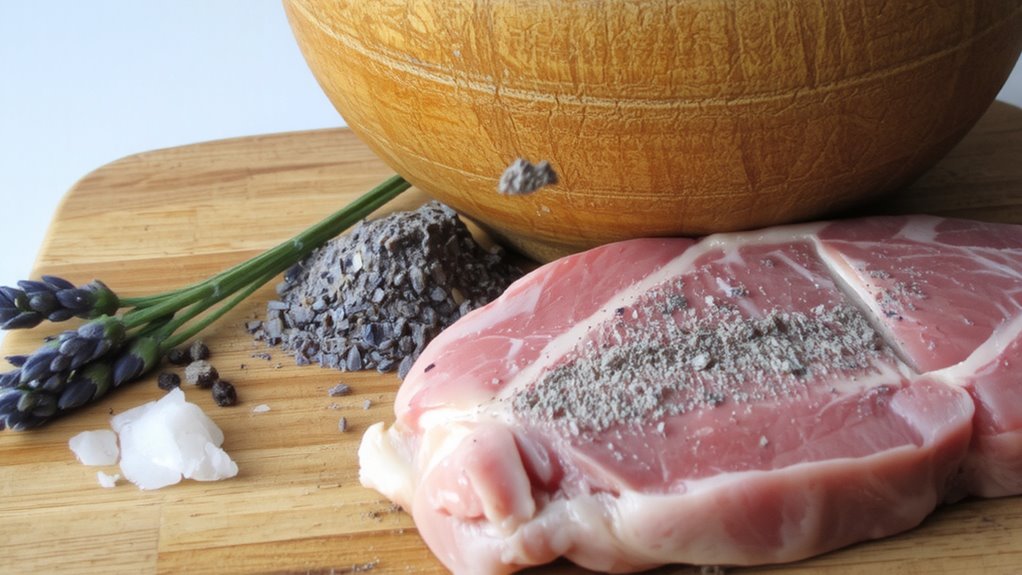
A well-balanced spice rub hinges on consistency, and that begins with how you prepare your dried lavender. To achieve an even flavor profile, you should always grind dried lavender buds until finely ground using a mortar and pestle or spice grinder. Whole or roughly crushed buds can clump, releasing concentrated essential oils that bring unwanted soapiness. When lavender is finely ground, it disperses uniformly through the rub, preventing overpowering floral or camphorous notes. That subtle integration also lets complementary herbs like rosemary and thyme shine without interference. Since lavender’s oils are so potent, use just ½ to 1 teaspoon per cup of rub-more can quickly dominate. A mortar and pestle offers better control, though a spice grinder works faster for larger batches. Either way, proper grinding guarantees lavender enhances rather than overwhelms your blend, balancing aroma with savory depth.
Pick Meats That Pair With Lavender
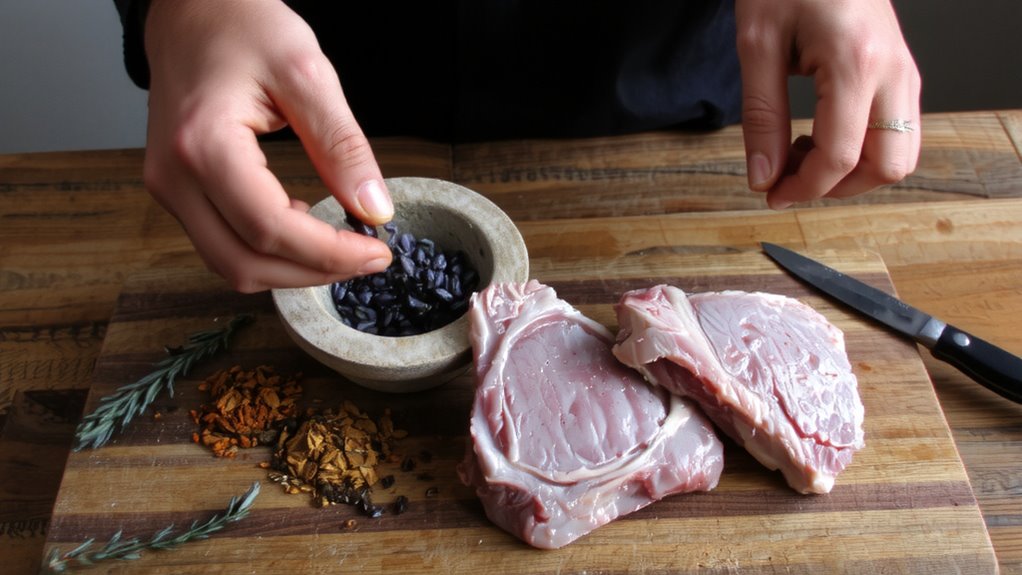
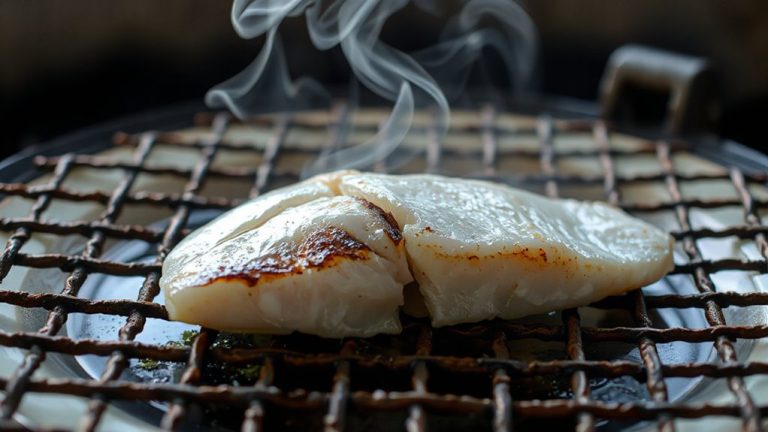
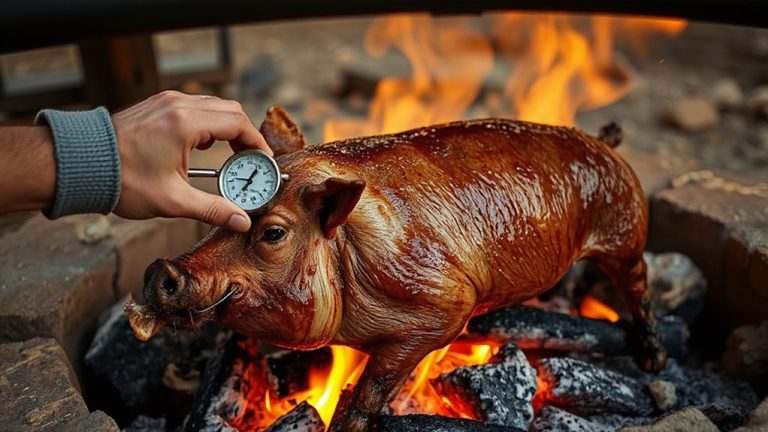
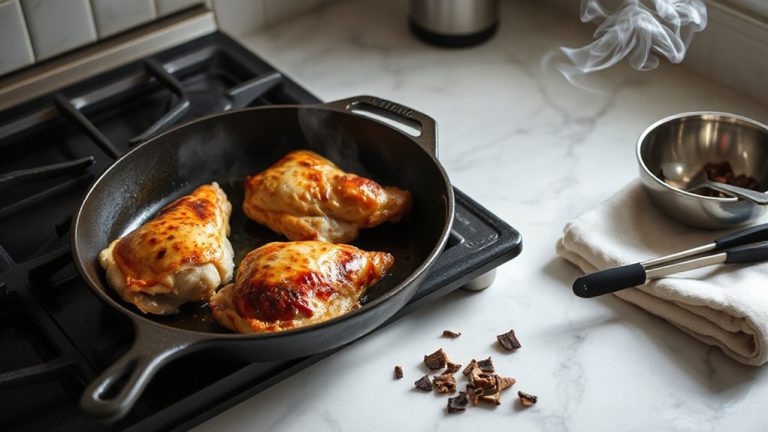
Lavender’s floral intensity demands a protein partner with enough character to stand up to its aromatic punch, and you’ll find your best results with meats that bring bold flavor or rich fat to the mix. Lamb is your top choice-cuts like leg or chops handle dried lavender beautifully, their gaminess balancing the perfume. Chicken works well too, especially skin-on thighs or whole birds; the fat renders slowly, letting the herb’s scent weave through without dominating. Pork, particularly tenderloin or chops, pairs nicely when you blend lavender with sweet elements like honey or brown sugar in your rub. Game meats such as venison can also shine, but only when you anchor the dried lavender with assertive herbs like rosemary and garlic. Avoid delicate proteins-veal or lean fish-as they’ll be overwhelmed. Stick with lamb, chicken, pork, or game meats, and you’ll build a foundation that lets lavender enhance, not overpower.
Build a Balanced Lavender Rub
You’ll want to treat dried lavender like a supporting player, not the star-using just ½ to 1 teaspoon of finely crushed culinary-grade Lavandula angustifolia per cup of rub guarantees its floral sharpness enhances rather than overwhelms. When you Cook With Lavender, balance is key. Lavender pairs beautifully with rosemary, thyme, and oregano, so a 2:1 herb-to-lavender ratio keeps flavors integrated. This synergy mirrors the profile of herbes de Provence, making it a smart base if you want to use lavender more confidently. Always grind the buds finely to avoid concentrated pockets of lavender flavor. Boost complexity with garlic powder, onion powder, and lemon zest-these aromatics help anchor the floral note. Stick to true Lavandula angustifolia; other types can bring medicinal off-notes. Done right, your rub will have depth, not soapiness.
Rest Your Lavender-Rubbed Meat
Once you’ve built a balanced rub with finely ground lavender and complementary herbs, the next step makes all the difference in how those flavors ultimately express themselves on the plate. You’ll want to rest your lavender-rubbed meat refrigerated for at least 30 minutes-ideally several hours or overnight. This downtime allows the lavender essential compounds to soften, so you’re not left with an essential oil intensity that might taste like soap. Patting the meat dry before applying the rub guarantees even contact and better adherence. For lamb or pork, an 8-hour rest optimizes flavor infusion while preventing harshness. Avoid short rests under 30 minutes; the dried lavender needs time to mellow. Store pre-rubbed portions in an airtight container to maintain freshness and prevent odor transfer. This simple step guarantees complexity, not bitterness, on the grill.
Balance Lavender With Citrus and Herbs
While lavender can easily dominate a rub if left unchecked, pairing it with citrus zest and hardy herbs tames its floral edge and builds a more nuanced profile perfect for grilled meats. Use true culinary lavender (Lavandula angustifolia), as it delivers a milder, herbaceous note compared to medicinally tinged lavender flowers from non-culinary varieties. Combine ½ to 1 teaspoon of dried lavender per cup of rub, finely ground with salt and sugar to prevent concentrated bursts. Blend with 1 tablespoon each of thyme and crushed rosemary-classic savory herbs that complement without competing. Add 1 teaspoon of citrus zest to brighten the mix and cut through richness. This balance guarantees the lavender enhances, not overpowers.
| Ingredient | Amount | Purpose |
|---|---|---|
| Culinary lavender | ½–1 tsp (ground) | Adds floral depth |
| Citrus zest | 1 tsp | Brightens, balances |
| Savory herbs | 2 tbsp (thyme/rosemary) | Grounds flavor |
Avoid Soapy Flavors in Your Rub
Why does some lavender leave a waxy, soap-like aftertaste on grilled meats? Because not all lavender is created equal-many varieties, like Lavandula x intermedia or stoechas, are high in camphor, which creates medicinal, soapy flavors. To avoid this, always use culinary-grade dried lavender from Lavandula angustifolia, known for its softer, sweeter profile. Use just ½ to 1 teaspoon per cup of rub, and grind the buds finely crushed with a mortar or spice grinder so they blend evenly without bitter bursts. This precision prevents overwhelming notes and guarantees balance. While lavender sugar works well in desserts, it’s too sweet for savory rubs. True flavor harmony in outdoor cooking comes from careful ingredient selection-when lavender is created for culinary use and properly processed, it enhances, not dominates. Stick to the specs, and your BBQ will taste refined, not soapy.
On a final note
You’ve learned how to use dried lavender sparingly in meat rubs to prevent soapy off-notes. Properly ground and balanced with citrus and herbs, culinary lavender can elevate lamb or chicken with floral complexity. Choosing the right meat and allowing time for resting guarantees peak flavor integration. When applied with precision, lavender enhances rather than overwhelms, proving its value in outdoor cooking where nuanced seasoning makes all the difference.