Fine-Tuning Gas Flow With Adjustable Regulators for Stable Low-Temperature Smoking
You need steady gas flow to maintain 225°F–250°F for low-and-slow smoking, and an adjustable regulator gives you that control. Matching it to your smoker’s fuel system guarantees safe, efficient combustion. Tune the pressure for a solid blue flame-too high causes soot, too low leads to flickering and temp swings. Balance gas with air via dampers to avoid hot or cold zones. Proper setup means even cook, better smoke penetration, and juicier meat. There’s more to mastering consistency just ahead.
Notable Insights
- Use an adjustable regulator matched to your smoker’s fuel type and pressure requirements for consistent low-temperature performance.
- Set the regulator to maintain a steady blue flame, avoiding flickering or yellow tips, for optimal combustion.
- Adjust gas flow gradually to achieve target smoking temperatures between 225°F and 250°F without spikes.
- Balance gas pressure with airflow using dampers to prevent temperature swings and incomplete burning.
- Ensure regulator compatibility with smoker input specs to avoid safety risks and unstable heat output.
Why Gas Flow Matters in Low-Temperature Smoking
While you’re aiming for that perfect smoky flavor in low-temperature smoking, getting the gas flow right isn’t just helpful-it’s critical. Too much gas and you’ll overshoot your target temp, too little and the heat sputters unpredictably. Consistent gas flow guarantees steady heat distribution, which is essential for even cooking and avoiding cold spots that ruin texture. You’ll notice better fuel efficiency too, since a well-regulated flame uses propane more effectively, cutting waste and saving money over time. Without proper flow, your smoker struggles to maintain low temps, leading to inconsistent smoke production and unevenly flavored meat. Adjustable regulators help, but understanding your smoker’s combustion needs matters just as much. You’re not just managing fire-you’re fine-tuning a system where airflow, gas volume, and thermal stability interact. Master gas flow, and you master control, efficiency, and results. It’s that simple.
A reliable setup starts with choosing the right propane regulator for your specific smoker and fuel demands.
How Adjusting Gas Pressure Stabilizes Temperature
Because temperature stability is the backbone of successful low-temperature smoking, adjusting gas pressure isn’t just a technical detail-it’s your main tool for maintaining control. When you fine-tune the gas pressure, you directly influence flame consistency, ensuring the burner produces a steady, even flame instead of flickering or surging. This stable flame translates into uniform heat distribution across the cooking chamber, eliminating hot spots and cold zones that can ruin delicate meats. Without proper adjustment, temperature swings become inevitable, leading to uneven cooking or dried-out results. You’ll notice better smoke penetration and juicier finishes when heat stays consistent. Adjustable regulators let you respond to external factors like wind or ambient temperature, keeping your smoker in the ideal 200°F to 250°F range. Ultimately, mastering gas pressure gives you predictable performance-essential for achieving restaurant-quality barbecue every time.
Pick an Adjustable Regulator That Fits Your Smoker
If you’re serious about nailing low-and-slow cooks, choosing the right adjustable regulator makes all the difference-it’s not just about controlling gas flow, but about matching your smoker’s design and fuel type. Not all regulators work with every system, so compatibility checks are essential before buying. Propane smokers typically need a different regulator than natural gas models, and mixing them causes performance issues or safety hazards. You’ll also find brand variations in threading, pressure output, and connection size, which can complicate swaps even when things seem standard. Some high-end smokers come with proprietary fittings, locking you into specific regulator models. Always verify your smoker’s gas input specs and compare them to the regulator’s rating. A well-matched unit guarantees steady pressure, improves fuel efficiency, and extends equipment life. Skipping these steps risks inconsistent temps and wasted fuel.
Set Your Adjustable Regulator for 225°F–250°F
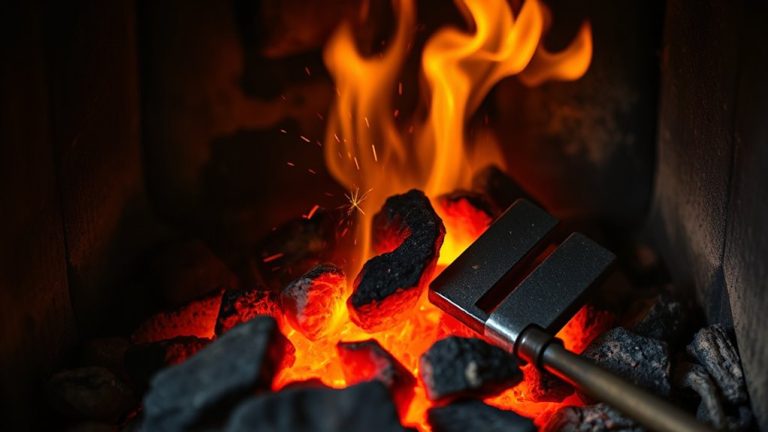
You’ve picked the right adjustable regulator for your smoker, so now it’s time to put it to work by setting the gas flow to maintain that sweet spot between 225°F and 250°F. This range is ideal for low-and-slow smoking, delivering tender results without drying out the meat. Start by adjusting the regulator knob to deliver a steady, blue-hued flame-this guarantees peak flame consistency, which directly impacts temperature control. A flickering or uneven flame leads to spikes and dips, undermining your cook. With the right setting, you’ll notice improved fuel efficiency, meaning longer burn times and fewer tank swaps. Most regulators perform best when adjusted gradually, letting the smoker stabilize between changes. Aim for a flame that’s robust but not roaring; it should hug the burner evenly. This balance reduces waste and sustains clean combustion, making your sessions more predictable and effective.
Sync Air and Gas for Steady Temps
How often have you battled frustrating temperature swings, only to realize air and gas were working against each other instead of in harmony? Achieving steady smoking temps isn’t just about dialing in your regulator-it’s about air balance and gas sync. When airflow overwhelms the flame, you lose heat; when gas exceeds available oxygen, you get soot and uneven burns. You need both elements matched precisely. Most gas smokers rely on separate air inlets and fuel controls, so tweaking one without adjusting the other throws everything off. For consistent 225°F–250°F performance, fine-tune your air dampers alongside the regulator. Watch the flame behavior: steady blue means good gas sync. A flickering or yellow tip? Adjust air balance. Mastery comes not from maxing controls, but from coordinating input. Proper sync keeps combustion efficient, temps stable, and smoke quality ideal for long, flavorful cooks.
Fix Flame Issues With Regulator Adjustments
Though flame issues often point to airflow imbalances, don’t overlook the regulator’s role in delivering consistent gas pressure. If you’re dealing with flame flickering or weak ignition consistency, your regulator might not be maintaining proper output. Most regulators aim for a steady 11 inches W.C. (water column), but low or fluctuating pressure disrupts combustion. Adjust the regulator screw carefully-tighten to increase pressure, loosen to reduce it-while monitoring the flame’s behavior. A stable, blue-hued flame with minimal dancing means you’ve hit the sweet spot. Poor ignition consistency often improves once pressure stabilizes, reducing cold starts and misfires. Always check for leaks before tweaking settings, and use a manometer for accuracy. Over-adjusting risks excessive gas flow, which can be dangerous. Done right, regulator adjustments restore control, ensuring reliable performance without relying solely on airflow tweaks. It’s a precise fix, but essential for clean, steady burner operation.
Pro Moves for All-Day Smoke Control
What separates a pitmaster’s all-day smoke from an amateur session? It’s your control over heat retention and fuel efficiency. You’re not just lighting a fire-you’re managing gas flow with precision. An adjustable regulator lets you maintain low, steady temps for hours, essential for tender brisket or pulled pork. Keep the lid closed as much as possible; every peek kills heat retention and forces the burner to work harder. That hurts fuel efficiency. Use a quality smoker with thick walls and tight seals-they hold heat better and reduce gas spikes. Monitor the regulator’s pressure gauge and tweak it gradually. Avoid sudden flame jumps; they waste fuel and risk hotspots. Pros also preheat longer, ensuring thermal stability before adding meat. Pair smart airflow settings with consistent fuel flow, and you’ll stretch every propane pound. Master these moves, and your all-day smoke runs smoother, tastier, and leaner on waste.
On a final note
You’ll get better control over your low-temp smokes by fine-tuning gas flow with an adjustable regulator. It’s not just about lowering pressure-it’s about matching your smoker’s needs. A stable 225°F–250°F range prevents temp swings that dry out meat. Pair proper gas settings with regulated airflow, and you’ll sustain clean, even burns. When flame issues arise, small regulator tweaks often fix them. Over long sessions, this precision keeps smoke quality high and fuel use efficient-critical for serious barbecue results.