How to Make Outdoor-Fried Rice on a Hibachi Grill With Egg and Soy
Use cold, day-old rice for firm, well-separated grains that sear instead of steam on the hot hibachi. Fire up your grill 15–20 minutes early with lump charcoal for even, high heat and a smoky depth. Scramble eggs first-remove them while slightly runny-then stir-fry crisp-tender veggies. Press rice into the grill to develop char, drizzle soy sauce only after charring, and flip just once for maximum crust. You’ll see why timing and temperature make all the difference in the next steps.
Notable Insights
- Use cold, day-old rice for firm, separate grains that sear well and absorb soy sauce evenly.
- Preheat the hibachi with lump charcoal for 15–20 minutes to achieve high, consistent heat.
- Scramble eggs first over high heat, removing them just before fully set for a creamy texture.
- Stir-fry chopped vegetables in batches until crisp-tender to retain texture and enhance flavor.
- Press rice onto the grill in sections, char lightly, then flip once before adding soy sauce.
Use Cold, Day-Old Rice for Best Results
You’ll get the best texture and performance when you use cold, day-old rice for your outdoor hibachi fried rice-freshly cooked rice tends to steam and clump, leading to a mushy finish. Chilling the rice overnight dries it slightly, which improves rice texture by making each grain firmer and more resilient to stirring. This firmness allows the grains to sear quickly over high heat instead of absorbing excess moisture and breaking down. Cold rice also enhances flavor absorption; its starch structure stabilizes, helping it cling to seasonings like soy sauce rather than soaking them up unevenly. You’ll notice crisper edges and distinct grain separation, hallmarks of well-made fried rice. While convenience might tempt you to use fresh rice, the trade-off in structure and taste isn’t worth it. For authentic results that match professional hibachi performance, cold, day-old rice is essential.
Prep the Hibachi for High, Even Heat
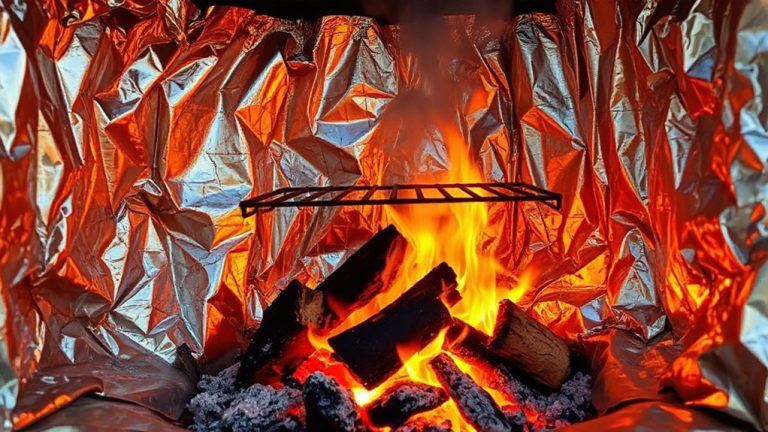
Since consistent heat is essential for authentic hibachi-style cooking, getting your grill ready for high, even temperatures makes all the difference in texture and flavor development. You’ll want to fire up your hibachi 15–20 minutes before cooking to allow the cast iron surface to heat thoroughly. Proper grill maintenance, like scraping off residue and checking for rust, guarantees longevity and performance. A clean, well-seasoned surface promotes superior heat distribution, preventing hot spots that can burn rice or leave clumps undercooked. Adjust the air vents at the base to regulate airflow-this helps stabilize the temperature, especially in windy conditions. Hibachis rely on charcoal, so use lump charcoal for higher, more consistent heat. Spread it evenly beneath the cooking grid to maximize uniform heat distribution. This prep step isn’t just about efficiency; it’s foundational to achieving that signature sear and smoky depth outdoor grilling provides. For best results, choose one of the top hibachi grills based on heat retention and build quality.
Scramble Eggs First for Creamy Texture
A well-executed hibachi fried rice starts with evenly scrambled eggs, and tackling them first guarantees a creamy, tender result that integrates seamlessly into the final dish. You’ll want to crack your eggs directly onto the hot grill surface or into a preheated oil-slicked zone, then quickly break and spread them with your spatula for even cooking. High heat is key-it forces rapid coagulation while preserving moisture, creating that desirable creamy consistency. Don’t overcook; remove the eggs just before they’re fully set, as carryover heat finishes the process. Freshness matters: using high-quality, fresh eggs enhances both flavor and texture, contributing to a richer mouthfeel. Egg freshness also secures better emulsification and color. By cooking the eggs first, you avoid mushiness later when mixing in rice and sauces. This step sets the foundation for depth and balance, making it essential to master for authentic outdoor hibachi-style results.
Add Veggies and Stir-Fry Until Crisp-Tender
The vibrant crunch of fresh vegetables not only adds texture but also brings color and nutritional balance to your outdoor hibachi fried rice. Your vegetable selection matters-opt for bell peppers, carrots, snap peas, and onions, as they hold up well over high heat and complement the savory profile. Slice them uniformly so they cook evenly. Once the eggs are set aside, toss the veggies onto the hot grill surface. Use the crisp tender technique: stir-fry frequently, letting them sizzle just long enough to develop flavor while retaining a slight bite. Don’t overcrowd the space-cooking in batches guarantees proper searing, not steaming. Outdoor grills provide intense, direct heat, which enhances caramelization better than stovetops. This method boosts depth without sacrificing freshness. Watching the veggies closely prevents overcooking, preserving both texture and nutrients in your final dish.
Mix in Rice and Press for Light Charring
Once you’ve got your vegetables crisp-tender and set aside, go ahead and scatter the cooked rice across the hot hibachi grill in an even layer-don’t toss it down carelessly, as uneven distribution leads to spotty charring and inconsistent texture. Use a sturdy spatula to press the rice gently into the grates, allowing direct contact that encourages distinct grill marks. These marks aren’t just for presentation; they deliver a subtle smokiness, offering significant flavor enhancement through controlled caramelization. Let the rice sit undisturbed for about 60 seconds per section, rotating only after proper searing occurs. The high, even heat of the hibachi makes this technique more effective than stovetop methods. Proper pressing guarantees each grain develops complexity without burning. Resist the urge to stir too soon-patience here builds depth. This step transforms plain rice into a dynamic base, elevating the entire dish with texture and rustic appeal unique to outdoor grilling. For consistent results, consider using one of the best outdoor griddles designed specifically for high-heat searing and even heat distribution.
Season With Soy Sauce at the Right Time
Wait until the rice has developed a light char and begins to crisp at the edges before drizzling the soy sauce across the surface-adding it too early causes the sugars to burn and the grains to clump, while proper timing guarantees a glossy, savory finish without sacrificing texture. You want that rich umami depth the soy contributes, but only when it can integrate smoothly, not dominate. Drizzling it now lets the sauce sizzle and seep into the hot grains, enhancing flavor balance without overwhelming the dish. The high heat of the hibachi grill accelerates caramelization, so precise timing prevents bitterness. This moment is critical: too soon, and you lose clarity in flavor; too late, and the rice won’t absorb evenly. Done right, the soy amplifies the smoky char and complements the egg’s richness, tying the components together with depth and cohesion. It’s not just seasoning-it’s strategic enhancement.
Flip Once and Serve Hot Off the Grill
Now that the soy sauce has kissed the rice and caramelized into a glossy sheen, it’s time to let the dish reveal its final form-flipping just once guarantees the crispiest, most evenly seared crust stays intact. You’ll see defined grill marks develop where each grain pressed into the hot surface, adding both visual appeal and concentrated flavor. That unmistakable smoke flavor infuses deeply during this phase, especially on a hibachi’s open flame, elevating the dish beyond what a stovetop can achieve. Use a sturdy spatula, slide it fully underneath, and commit to one confident motion-hesitation leads to breakage and lost crispness. Serving immediately preserves texture and heat, delivering fried rice at its peak. The contrast between smoky edges and tender interior rice highlights the hibachi’s strength: high, direct heat with open-flame complexity. This method isn’t just practical-it’s the key to authentic, restaurant-quality results at home.
On a final note
You’ve got the technique: cold rice, high heat, and proper timing guarantee authentic texture and flavor. Cooking on a hibachi gives superior charring and smoky depth compared to stovetop methods. The even heat distribution allows consistent searing without scorching. Done right, outdoor fried rice isn’t just practical-it’s an upgrade. Letting the grill do the work maximizes taste and efficiency, making this method ideal for both weeknight dinners and backyard gatherings.