Using a Hibachi Grill to Sear Sushi-Grade Tuna Outdoors
You’ll want sushi-grade tuna flash-frozen at sea for safety and texture. Heat your hibachi with lump charcoal until it hits 700°F-this sear needs intense, direct heat. Pat the tuna dry, lightly oil it, and sear 75 seconds per side for flawless medium-rare. Use tongs and a thermometer for precision. A crisp crust locks in buttery freshness without overcooking. Pair with sticky rice and grilled veggies for a balanced, restaurant-quality result that showcases why this method stands above typical backyard grilling. Mastery starts with understanding each step’s role in delivering clean, umami-rich flavor.
Notable Insights
- Select sushi-grade tuna that’s been flash-frozen at sea for safety and optimal texture when seared.
- Heat the hibachi grill with lump charcoal until it reaches over 700°F for a proper searing temperature.
- Pat the tuna steaks dry and oil them lightly to ensure a crisp crust and prevent sticking.
- Sear each side for 60 to 90 seconds to achieve medium-rare perfection without overcooking the center.
- Use tongs and an instant-read thermometer to monitor doneness and serve with complementary hibachi-style sides.
Choose Sushi-Grade Tuna for Grilling
While you might be tempted to use any fresh tuna you can find, going for sushi-grade is your best bet when grilling on a hibachi-it’s specifically processed to be safe for raw or rare preparation, which is key since you’re only searing the outside. Sushi-grade means the tuna was flash-frozen at sea to kill parasites and preserve texture, ensuring both safety and quality. You’ll notice the difference immediately: clean flavor, firm flesh, and that ideal ruby-red hue. When choosing your cut, consider marine sustainability-opt for tuna sourced from responsibly managed fisheries to support healthier oceans. Reliable tuna sourcing isn’t just ethical, it often means fresher, better-handled fish. Look for certifications like MSC or transparent supply chains. Though pricier, sushi-grade delivers superior performance on high-heat grills, giving you restaurant-quality results with minimal risk. It’s a choice that balances taste, safety, and long-term ocean health.
Get Your Hibachi Grill Hot and Ready
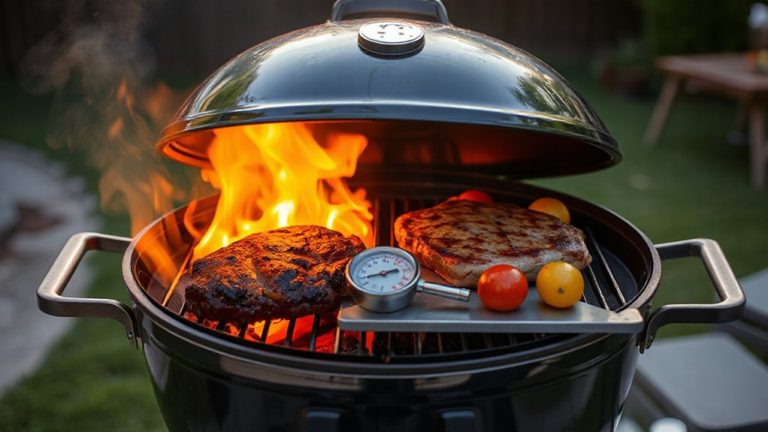
You’ve selected your sushi-grade tuna, and now it’s time to focus on the grill-because no sear delivers like a properly heated hibachi. Start by ensuring your grill is clean; proper grill maintenance prevents residue buildup that can taint flavor and hinder heat transfer. A wire brush and a quick wipe-down do wonders before firing up. For ideal performance, choose high-heat fuel types like lump charcoal or hardwood briquettes-they ignite quickly and sustain temperatures above 700°F, essential for a crisp exterior without overcooking the interior. Light the fuel evenly and allow 20–30 minutes for the grill to reach full heat; you want glowing coals with a light ash veil. Position the cooking grate close to the heat source for maximum sear power. A well-maintained hibachi with quality fuel creates an ideal environment for precision searing, giving you control, consistency, and that authentic outdoor umami depth. For best results, consider one of the top hibachi grills recommended for high-temperature searing and portability.
Season and Sear for a Crisp Crust
A crisp, caramelized crust starts with timing and touch-two elements you can control when working with sushi-grade tuna over blazing hibachi heat. You’ll want to pat the tuna dry first, ensuring maximum sear and minimal steam. Generously season the exterior, or try light marinade options like soy-ginger or citrus-herb-just don’t let it sit too long, or the fish’s texture may break down. When it comes to oil types, use high-smoke-point varieties like grapeseed or avocado oil; they handle intense heat better than olive oil, which can smoke and impart bitterness. Lightly coat the tuna to prevent sticking without dulling the sear. Place it on the grill swiftly and confidently-hesitation leads to sticking or uneven browning. Apply firm, brief pressure only if necessary. The result? A flavorful, crackling crust that locks in the tuna’s buttery freshness, enhancing rather than overpowering it. For optimal results, consider the best oils for searing based on smoke point and flavor neutrality.
How Long to Grill Tuna for Medium-Rare
For medium-rare tuna, you’ll want to sear each side for just 60 to 90 seconds over high hibachi heat-the exact window depends on the thickness of the cut and how close the tuna sits to the flame. This short cooking time preserves the tender, sushi-grade center while building a flavorful crust. If the steak is around 1.5 inches thick, aim for 75 seconds per side as a reliable starting point. To confirm doneness, use a quick-read thermometer: the ideal internal temperature for medium-rare is 125°F to 130°F. Pull the tuna just before it hits that range, since residual heat will continue cooking it slightly. Going beyond 90 seconds or letting the internal temperature climb past 135°F risks drying out the flesh. Mastering this balance guarantees a steak that’s seared outside, cool within, and true to the dish’s intentions. For optimal flavor, consider using a blend of best grilling spices that complement the tuna’s richness without overpowering its delicate taste.
Must-Have Tools for Hibachi Searing
Getting the timing right on your tuna steaks sets the foundation, but without the proper tools, even a well-calibrated sear can fall short. Success hinges on charcoal selection and consistent grill maintenance, both of which shape heat control and flavor. You’ll need reliable tools designed for precision and durability.
| Tool | Purpose | Why It Matters |
|---|---|---|
| Long-handled tongs | Flipping without piercing | Preserves juices, ensures safety |
| Instant-read thermometer | Monitoring surface temp | Aids consistent searing |
| Grill brush | Post-cook cleaning | Essential for grill maintenance |
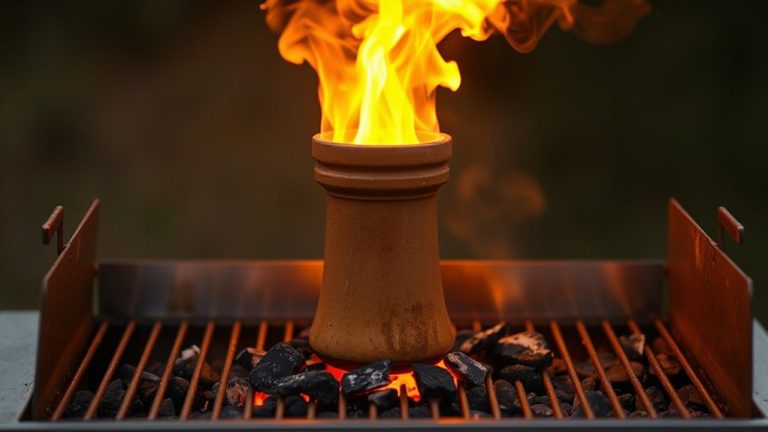
| Chimney starter | Even charcoal ignition | Improves charcoal selection control |
A chimney starter guarantees even heat distribution, while a quality brush keeps grates clean-critical for flavor and performance. Paired with the right charcoal, these tools let you master high-heat searing efficiently.
How to Tell When Tuna Is Perfectly Done?
You’ll know your tuna is perfectly done when the exterior forms a crisp, deep brown crust while the inside remains cool and deep red, almost raw-that’s the hallmark of a proper hibachi sear. The key visual cues include the caramelized surface and the slight resistance when pressed, signaling ideal tuna texture. You want just 60 to 90 seconds per side over intense heat; any longer and you risk overcooking. Trust your eyes and touch more than the clock. A perfectly seared tuna steak yields to the knife with a clean slice, revealing a tender, moist interior. Overcooked tuna loses its buttery texture, becoming dry and dense. Mastering this balance elevates your outdoor cooking, turning a simple fish into something exceptional. These visual cues and texture indicators make all the difference-precision here reflects both technique and respect for quality ingredients.
Pair With These Sides for Hibachi-Style Tuna
A well-rounded hibachi meal hinges on balance-rich, seared tuna deserves sides that complement without overwhelming. You’ll want vibrant, textural contrasts that echo traditional Japanese flavors without stealing the spotlight. A small mound of pickled ginger works perfectly, cutting through the tuna’s fattiness with bright acidity. It also cleanses your palate between bites, enhancing each flavor encounter. Toss in a handful of crunchy wasabi peas for a bold, spicy kick and contrasting crunch-just be mindful not to overdo it, as their heat can dominate. Grilled asparagus or sesame-roasted vegetables add earthiness and maintain the umami thread. Sticky rice binds the plate together, offering a mild base. These pairings aren’t just convenient; they’re intentional, elevating your outdoor cooking from simple grilling to a layered, restaurant-quality experience rooted in flavor balance and textural harmony.
On a final note
You’ve got the tuna, the heat, and the technique-now it’s about precision. A hibachi delivers intense, direct heat, ideal for searing sushi-grade tuna while keeping the interior cool and tender. Just 1–2 minutes per side usually hits medium-rare. Use tongs and a reliable thermometer to check doneness. Proper prep and clean equipment guarantee safety and flavor. Outdoor grilling adds subtle smokiness, elevating the experience without overpowering delicate fish. Done right, it’s efficient, flavorful, and impressively simple.