How to Use a Fire Poker to Rearrange Coals Without Losing Heat
Use your fire poker only when coals are gray and ash-covered, with steady heat radiating-never during ignition or active flames. Gently nudge, don’t roll, the coals to preserve the ember bed and avoid heat loss. Focus on hot spots, where glowing clusters indicate strong combustion, and shift cooler coals inward to ignite. Avoid deep plunging or excessive stirring, which collapses the bed and lets warmth escape. Proper technique keeps your fire efficient, stable, and ready for the next step.
Notable Insights
- Wait until coals are gray and ash-covered before using the poker to avoid disrupting active flames.
- Gently nudge coals instead of stirring deeply to preserve ember integrity and heat retention.
- Focus on exposing hot spots by separating glowing embers to boost oxygen flow.
- Pivot logs inward toward the fire’s core to maintain airflow and sustain combustion.
- Add new logs across hot coals, not flames, to ensure efficient ignition and steady heat.
When (and When Not) to Use Your Fire Poker
Why do some barbecue enthusiasts end up damaging their grills or spreading ash all over the patio? Because they use their fire poker too early or too aggressively. You should use your poker only when the coals have developed proper coal density-meaning they’re fully lit, ash-covered, and holding heat. Poking a fledgling fire disrupts fragile ember placement, collapsing the structure before it stabilizes. Wait until the coals are mostly gray and radiating consistent warmth. At that stage, gentle adjustments with the poker help redistribute heat without killing momentum. Avoid poking during ignition or when flames are still active; you’ll scatter unburnt fuel and create hotspots. Instead, let the fire build naturally. Once established, the poker becomes a precision tool-ideal for fine-tuning coal density and optimizing ember placement. Used wisely, it preserves heat and protects your setup. Used poorly, it invites frustration and mess.
How to Move Logs Without Killing the Flames
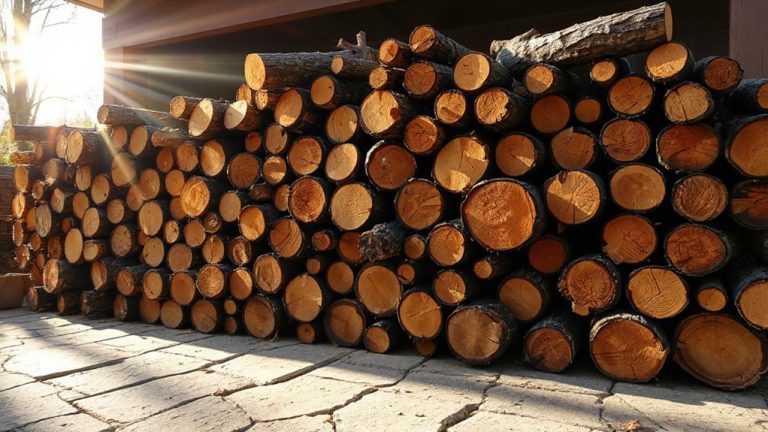
Sometimes, the difference between a roaring fire and a smoldering mess comes down to how you handle the logs. Proper log placement isn’t just about stacking wood-it’s central to flame preservation. You want to shift logs gently, using the poker to nudge rather than roll them. Sudden movements collapse the ember bed and starve the flames of oxygen. Instead, pivot logs inward toward the fire’s core, maintaining airflow and heat. Watch how the flames respond; if they flicker wildly or shrink, you’ve disturbed the balance.
| Technique | Effect on Flame |
|---|---|
| Gentle roll | Preserves heat |
| Lifting too high | Cools fire fast |
| Inward rotation | Boosts combustion |
| Random poking | Kills flame |
Thoughtful log placement supports steady burn and makes flame preservation second nature.
Find and Feed the Hot Spots With Your Poker
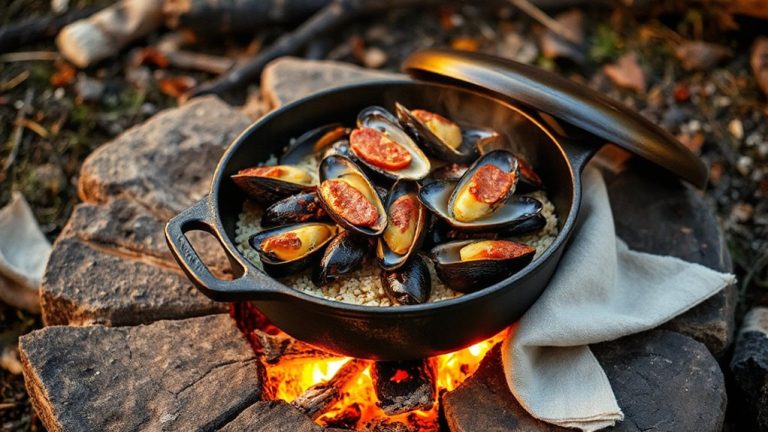
Where do you think the real power in your fire lies? It’s not in the flames themselves, but in the glowing coals beneath-specifically, the hot spots where heat concentration peaks. Using your poker, gently shift the coals to expose these zones, where coal dynamics work most efficiently. You’ll notice brighter embers clustered together; that’s where combustion is strongest. Probe with your poker to lift and separate dense patches, allowing oxygen to circulate and weak areas to ignite. Focus on feeding those hot zones by nudging adjacent cooler coals inward. This redistributes heat without disrupting the core temperature. Proper manipulation maintains steady performance, essential for consistent outdoor cooking. It’s not just about moving coal-it’s about managing energy flow. Smart poking turns random embers into a predictable, high-output cooking surface. That’s how effective heat management begins. A well-chosen fire pit accessories kit can include a durable poker designed specifically for precision coal management.
Add New Logs the Right Way After Stirring
Once you’ve stirred the coals and exposed the hot spots, it’s time to add new logs-doing so correctly keeps the fire’s momentum without smothering the burn. Proper log placement is key: position each log gently across the glowing embers, not directly on flames, to allow heat to transfer gradually. Stack them loosely to encourage airflow, avoiding dense piles that choke combustion. You’ve worked hard to establish a strong base, so maintain flame preservation by adding only one or two logs at a time. Overloading cools the core and delays ignition, wasting fuel and disrupting cooking temps. Seasoned hardwoods like oak or hickory work best-they ignite easily over hot coals and sustain steady heat. Use your poker to nudge logs into ideal alignment, ensuring even burn and consistent radiant energy. Smart refueling extends cooking windows and boosts control, making your fire as efficient as it is effective. For those using a hybrid setup, consider upgrading to one of the best hybrid grills for greater versatility and temperature control.
3 Fire Poker Mistakes That Let Heat Escape
While you might think poking and prodding your fire is harmless, using your fire poker recklessly can actually sabotage heat retention. Pushing too deep into the coals-exceeding ideal poker depth-collapses the bed, crushing hot embers and reducing radiant heat. You’re not just rearranging fuel; you’re disrupting the fire’s core structure. Excessive stirring also causes airflow disruption, letting cold air flood in while escaping heat carries essential warmth up the flue. Instead of quick, aggressive jabs, use slow, deliberate motions to roll coals gently toward the center. This maintains airflow channels and preserves the insulating layer of ash. Avoid overhandling-every unnecessary poke invites heat loss. A well-tended fire needs minimal intervention once established. Mastering controlled movement with your poker keeps combustion efficient and temperature steady, ensuring your outdoor cooking or BBQ session stays effective and consistent from start to finish.
On a final note
You’ve now learned how to use your fire poker effectively-stirring coals gently to expose hot spots, repositioning logs without smothering flames, and adding fuel at the right moment to maintain steady heat. Avoiding common mistakes like over-stirring or opening the firebox too wide keeps temperatures stable. Proper technique preserves thermal efficiency, ensuring even burns and consistent cooking conditions. A well-maintained fire supports better BBQ results, making your outdoor cooking more predictable, efficient, and successful over time.