How to Build a Two-Zone Fire on a Charcoal Grill for Perfectly Cooked Steaks
You’ll get the best results by building a two-zone fire with charcoal piled two to three briquettes deep on one side, leaving the other empty for indirect heat. Position the grate 5 to 6 inches above the coals to control flare-ups and guarantee even cooking. Use briquettes for steady heat, or a blend for quicker lighting and lasting burn. Sear steaks over direct heat, then move them to finish gently-this method prevents overcooked edges and underdone centers. Mastering this balance is key, and there’s more to optimizing each step.
Notable Insights
- Arrange charcoal on one side of the grill for direct heat, leaving the other side empty for indirect cooking.
- Use briquettes for steady heat or a lump and briquette blend for quick ignition and lasting burn.
- Layer coals two to three briquettes deep to maintain consistent radiant heat on the cooking side.
- Sear steaks over direct heat, then move to the indirect zone to finish cooking gently and evenly.
- Prevent flare-ups by trimming excess fat, avoiding pressing steaks, and keeping a spray bottle handy.
Use a Two-Zone Fire for Better Steaks
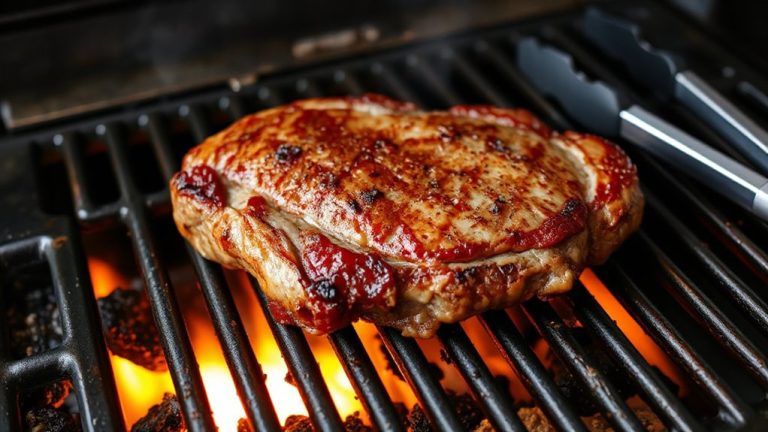
When you want to achieve a perfect sear without overcooking the center, a two-zone fire gives you far more control than a fully lit grill. You place coals on one side, creating direct heat there, while the other side stays clear for indirect heat. This setup lets you sear steaks quickly over the flames, then move them to the cooler side to finish cooking gently. You avoid burnt exteriors and raw interiors, a common flaw with single-zone grilling. Direct heat caramelizes the surface, locking in flavor, while indirect heat guarantees even doneness. It’s ideal for thicker cuts-like ribeyes or strip steaks-that need time to reach the right internal temperature without charring. Most pitmasters prefer this method because it balances precision and simplicity. With practice, you’ll get consistent results, making your steaks restaurant-quality every time.
Build the Two-Zone Fire Layout
To set up a two-zone fire, start by arranging your charcoal on one side of the grill, leaving the opposite side empty-this creates distinct direct and indirect heat zones that give you precise control over cooking. Your charcoal arrangement should be tight and even on the heated side, typically two to three briquettes deep, ensuring consistent radiant heat. On the cooler side, you’ll leave space for indirect cooking, essential for thicker steaks that need time to cook through without charring. Proper grate positioning is key: place it securely over the charcoal side, ensuring even heat transfer and minimizing flare-ups. Position it too low, and you’ll risk scorching; too high, and searing suffers. Most grills perform best with the grate 5 to 6 inches above the coals. This layout combines efficiency and versatility, giving you the flexibility to sear and gently finish-ideal for achieving restaurant-quality results in your backyard. For optimal performance, choose a grill with excellent airflow control, such as those recommended in our best charcoal grills roundup.
Pick the Best Charcoal for a Two-Zone Fire
You’ll want to choose your charcoal wisely, because the fuel you use directly shapes the heat stability and flavor profile of your two-zone fire. Among common charcoal types, lump charcoal burns hotter and lights faster, offering great control, but it can burn through quickly, limiting heat retention. Briquettes, on the other hand, are engineered for consistency-made from compressed charcoal dust and binders-delivering steady, even heat over longer periods. Their superior heat retention makes them ideal for maintaining the low, indirect zone. While some pitmasters prefer lump for its natural composition and smokier taste, briquettes provide reliability essential for multi-stage grilling. You’re better off using a blend if you want the benefits of both: quick ignition from lump and lasting burn from briquettes. Ultimately, your choice affects temperature control and cooking duration, so match the charcoal type to your grilling goals. For more guidance on selecting the right fuel, check out the best charcoal for smoking options that balance flavor and performance.
Sear on High, Finish on Low: Master the Two-Zone Method
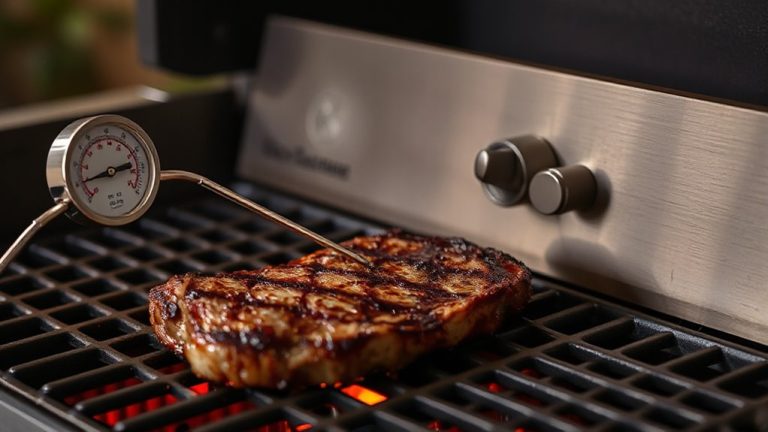
Now that you’ve picked the right charcoal to suit your grilling style, you’re set to put that fuel to work with a method built for control and flavor: searing over high heat, then finishing over low. Start by placing your steaks over the hot side to develop a rich crust-this direct blast locks in juices and creates that desirable char. Then, move them to indirect heat, where the temperature stays steady and gentle. This shift is key for even cooking, especially with thicker cuts. For ultimate precision, try the reverse sear: slow-cook first over indirect heat, then finish with a quick, fierce sear. It gives you more control over doneness and maximizes flavor. Whether you sear first or last, using both zones wisely guarantees a juicy interior and a caramelized exterior-exactly what great barbecue demands. A well-designed charcoal grill smoker can enhance this technique by offering superior heat retention and airflow control.
Fix Common Two-Zone Grilling Problems
Why do some steaks char on the outside while staying raw inside, or burn before reaching the right temperature? You’re likely dealing with uneven heat or uncontrolled flare ups. When coals aren’t evenly distributed, one side of the grill may run too hot, pushing food past doneness before the center catches up. To fix this, arrange your coals in a tight, even layer on the high-heat side and leave ample space on the cooler side. Flare ups happen when fat drips onto flames, so trim excess fat and keep a spray bottle handy. Never press down on steaks-that forces out juices and increases flare ups. Rotate steaks as needed and use a two-zone setup to move food away from sudden heat spikes. With consistent airflow and proper coal placement, you’ll reduce hot spots and cook more evenly.
On a final note
You’ve got the tools to master two-zone grilling: it gives you control, prevents flare-ups, and delivers evenly cooked steaks with a crisp sear. Charcoal choice matters-lump or briquettes both work, but consistency is key. Once set up, maintain the fire by adjusting vents and adding coals as needed. This method isn’t just effective-it’s essential for precision outdoor cooking, blending technique and heat management where results speak louder than guesswork ever could.