Prevent Grilling Flare-Ups: Trim, Two-Zone Heat & Drip Pans
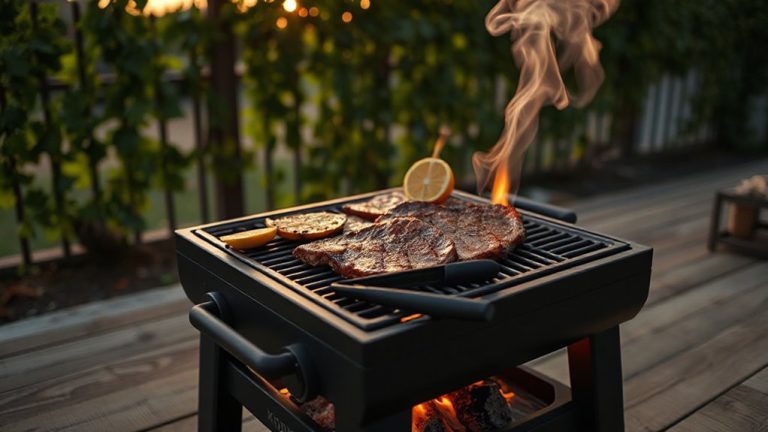
Trim excess fat from fatty cuts to reduce dripping, but keep some marbling for juiciness. Set up a two-zone grill-sear over direct heat, then move to indirect to finish cooking safely. Use drip pans or foil-lined channels to catch grease and limit flare-ups. Close the lid to cut off oxygen and smother flames quickly. Choose grills with tight grates and good airflow control for better performance. You’ll see how these methods combine for cleaner, more controlled results.
Notable Insights
- Trim excess fat from meat to reduce drippings that cause flare-ups, but leave some marbling for juiciness.
- Use a two-zone grilling setup to sear over direct heat and finish cooking over indirect heat.
- Place drip pans under the meat to catch fat and prevent it from igniting on heat sources.
- Install foil liners or grates to shield flames and make cleanup easier after grilling.
- Close the grill lid briefly to cut off oxygen and smother flare-ups when they occur.
Understand Flare-Ups When Grilling Fatty Meat
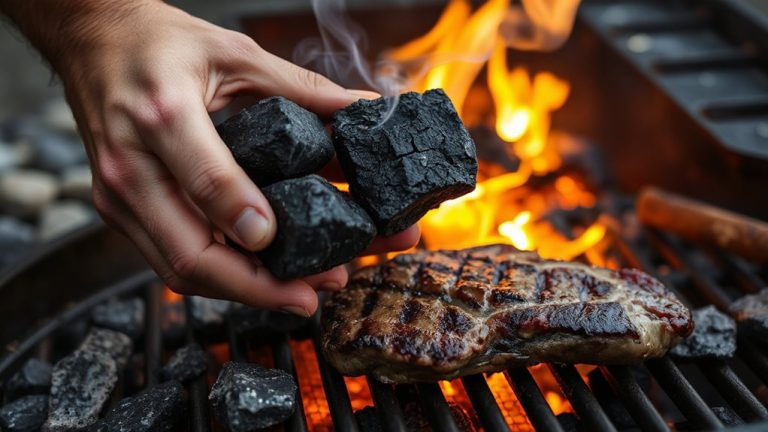
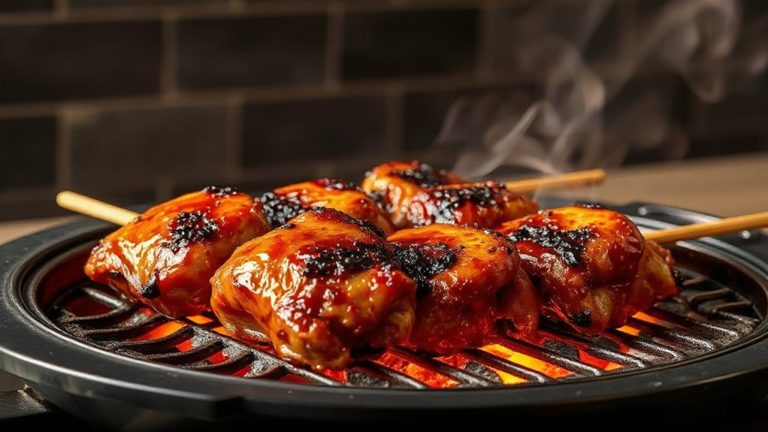
While you’re grilling fatty meats like ribeye or pork shoulder, flare-ups are almost inevitable-but understanding them can make the difference between a perfectly seared steak and a charred mess. Flare-ups occur when dripping fat hits hot coals or burners, causing sudden grease ignition. This isn’t just fire drama; it’s a chain of chemical reactions. The heated fat vaporizes, then combusts, producing intense flames that char the surface before the inside cooks. You’ll notice this most with marbled cuts, where rendered fat increases exposure. While some browning enhances flavor through controlled searing, unchecked flames degrade texture and create harmful compounds. Recognizing the moment grease ignition shifts from useful to dangerous helps you respond faster-whether by adjusting heat or temporarily moving the meat. Knowing these reactions means you’re not just reacting; you’re in control, turning volatile energy into culinary precision.
Trim Fat to Prevent Flames Without Drying Meat
Since not all fat is your enemy on the grill, you’ll want to trim thoughtfully-removing thick, solid chunks that cause flare-ups while leaving enough marbling to keep the meat juicy and flavorful. Smart fat trimming isn’t about eliminating fat; it’s about balancing safety and taste. Excess fat renders quickly, dripping onto coals or burners and triggering sudden flames that char the surface before the inside cooks. But if you strip too much away, you risk poor moisture retention, ending up with dry, tough results. Aim to smooth rough edges and eliminate large pockets, especially near the ends where grease accumulates. This controlled approach reduces fire spikes without sacrificing succulence. Proper trimming also promotes even cooking, letting heat penetrate steadily. Done right, it enhances both performance and flavor-giving you a better sear, cleaner smoke, and a more predictable cook. With fatty cuts, precision prep pays off.
Set Up Two Zones for Better Heat Control
You’ve already trimmed the fat to minimize flare-ups without losing juiciness, and now it’s time to take control of the heat itself by setting up a two-zone grilling system. You’ll create one side with direct heat for searing and another with indirect cooking for slower, more even results. This setup gives you flexibility: start over direct heat to develop a flavorful crust, then move the meat to the cooler side to finish cooking without risking flare-ups. Fatty cuts like ribeye or pork shoulder benefit especially, as rendered fat won’t ignite constantly. Plus, indirect cooking reduces charring while maintaining moisture. It’s not just about safety-it’s about precision. Whether using gas or charcoal, maintaining two distinct zones improves consistency and control. You’ll respond faster to sudden flames and produce better results across different meats. Two-zone grilling isn’t a pro secret-it’s a practical standard that elevates everyday BBQ.
Pick a Grill That Reduces Flare-Ups
If you’re serious about minimizing flare-ups without sacrificing flavor, choosing the right grill matters just as much as technique. The right grill design can make a significant difference, especially when dealing with fatty cuts. Modern grills featuring tightly spaced grates and grease management systems help contain drippings and reduce sudden flames. Look for models with adjustable airflow management-this lets you control combustion by limiting oxygen to flare-ups before they spread. Offset smokers and infrared grills, for example, often outperform traditional open-flame setups by managing heat and airflow more efficiently. Even among gas grills, burn configurations vary; U-shaped or H-burners tend to provide more even heat distribution and better flare-up resistance than single-bar designs. While no grill eliminates flare-ups entirely, selecting one engineered with these features gives you a critical advantage. It’s a smart investment for anyone committed to control, consistency, and cleaner searing.
Block Drippings With Foil or a Drip Pan
A well-designed grill helps manage flare-ups, but even the best models can’t stop every rogue flame when fatty meats shed their drippings. That’s where foil barriers and drip collection come in. Lining the grill’s catchment zone with heavy-duty foil creates a clean, reflective surface that resists burning and simplifies cleanup. Alternatively, placing a drip pan beneath the cooking grate intercepts grease before it hits the heat source, drastically reducing flare frequency. Drip collection pans made of aluminum or stainless steel are reusable and handle high temps better than disposable options. For consistency, shape the foil to fit snugly and check it periodically. While this method won’t eliminate all flares, it markedly improves control. When paired with proper grill design, foil barriers and effective drip collection form a dependable defense against sudden flames, making your cookouts safer and more predictable.
Smother Flares With the Lid
Though flare-ups can ignite suddenly when fat hits hot coals or burner shields, closing the grill lid immediately is one of the most effective ways to starve flames of oxygen and bring them under control. This simple lid technique cuts off airflow, making it a reliable form of flame smothering. You don’t need to panic or move the meat-just shut the lid and let physics do the work. Most flare-ups die down within seconds when deprived of oxygen. For consistent results, make certain your grill’s vents aren’t wide open, as excess airflow can prolong flames. The lid technique works best on gas and kettle grills with tight seals, enhancing flame smothering efficiency. It’s far safer than spraying water or lifting the lid repeatedly, which only feeds fresh oxygen to the fire. Mastering this method improves control, reduces charring, and maintains the integrity of fatty cuts without interrupting the cook.
Flip, Don’t Poke: Safe Handling for Fatty Cuts
Turn the steak, not the fork-piercing fatty meats lets precious juices escape, leaving you with a drier, less flavorful result. Using tongs to flip guarantees you maintain moisture and texture, which is essential for achieving true grill mastery. When you poke with a fork, you also increase the risk of flare-ups, as rendered fat drips through the grill grates and ignites. This compromise affects both meat safety and overall quality, since inconsistent cooking can lead to undercooked spots or charring from sudden flames. Tongs offer superior control, allowing you to reposition meat quickly and safely without damaging the crust. High-heat grilling demands precision, and proper handling is a small technique with significant impact. For anyone serious about outdoor cooking, flipping instead of poking isn’t just best practice-it’s a fundamental step toward consistency, safety, and flavor. Choosing the right tool makes all the difference, and the best grilling tongs provide the durability, grip, and reach needed for safe, effective flipping every time.
On a final note
You’ve got the tools to tackle flare-ups when grilling fatty cuts. Trimming excess fat, using two-zone heat, and choosing the right grill make a measurable difference. Blocking drippings with foil or a drip pan works better than waiting to react. Closing the lid smothers flames quickly and safely. Flipping, not poking, keeps juices in and prevents grease spikes. These methods combine practical design with smart technique, giving you control, better sear, and fewer surprises-essential for consistent, high-quality BBQ results.