One-Pot Pasta on a Camping Stove: Penne, Rigatoni & More
You’ll get the best results with a canister stove that offers steady simmer control and a stable base for even heat. Use a compact pot with markings, sturdy pasta like penne, and stir often to prevent scorching. One-pot meals cut cleanup, save fuel, and let flavors meld beautifully. Pre-measured mix-ins like dried sauce blends help streamline prep. With the right technique, you’re set for a hot, satisfying meal-and there’s more where that came from.
Notable Insights
- Use a portable stove with adjustable heat for consistent simmering when preparing one-pot pasta.
- Choose sturdy pastas like penne or rigatoni to hold up during cooking over a camp stove.
- Stir regularly and maintain a gentle simmer to prevent scorching and ensure even cooking.
- Opt for compact nesting pots with measurement marks for precise ingredient ratios and easier cleanup.
- Pre-mixed freeze-dried sauces or dry ingredients streamline cooking and reduce pack weight.
Cook One-Pot Pasta on a Camp Stove: Step by Step
While you can cook pasta in multiple pots or over an open fire, using a camp stove gives you far better control over the heat, which matters when you’re trying to avoid scorching your meal. Start by selecting sturdy pasta shapes-like penne or fusilli-that hold up well during one-pot cooking and absorb flavors without turning mushy. Add water, seasonings, and any vegetables or protein, then bring the mixture to a simmer. Stir occasionally to manage sauce consistency, ensuring it thickens evenly as the pasta releases starch. Smaller shapes may cook faster but risk clumping, while larger ones distribute sauce more effectively. A steady flame lets you adjust gradually, preventing boil-overs or uneven texture. You’ll find that maintaining a gentle simmer improves both mouthfeel and flavor integration, especially with oil- or cream-based sauces. With practice, you’ll balance liquid ratios and cooking times efficiently-all essential for reliable, satisfying meals in the wild.
Pick a Stove That Handles One-Pot Pasta Easily
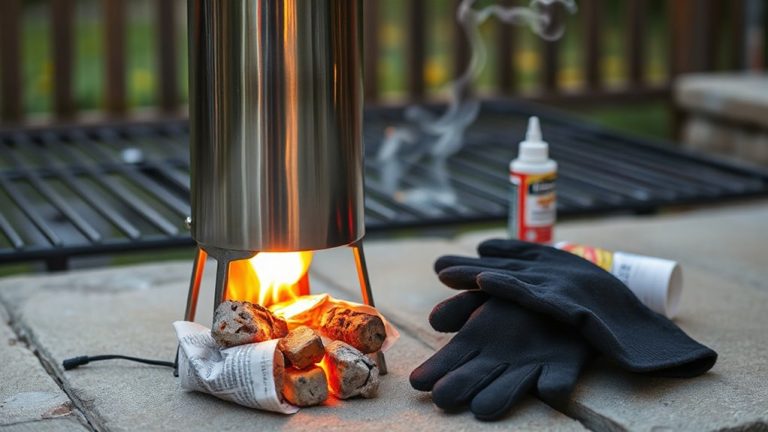
Though managing heat is essential when preparing one-pot pasta, your choice of stove plays an even bigger role in how well the meal turns out. You need consistent, adjustable heat to avoid scorching while ensuring the pasta cooks evenly. A portable stove with strong stove stability keeps your pot level, even on uneven ground, reducing spills and uneven cooking. Look for models with wide, retractable legs and a low center of gravity. Fuel efficiency matters too-canister stoves like propane or isobutane hybrids simmer well and last longer per unit, saving weight and cost over multiple meals. Liquid fuel stoves offer more power in cold weather but are less precise for simmering. For most campsite pasta meals, a reliable canister stove strikes the best balance between control, stability, and fuel efficiency. A top-rated camping stove can make all the difference in achieving restaurant-quality results outdoors.
Grab These Essentials for Camp-Friendly Pasta
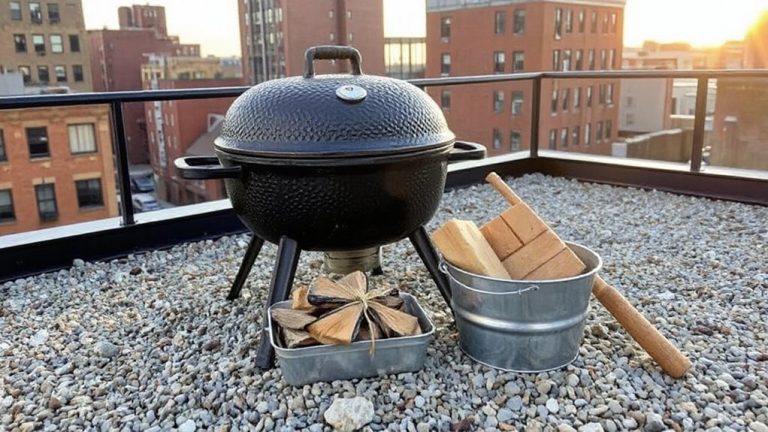
Since one-pot pasta relies on limited gear and tight cooking conditions, you’ll want to pack smart-choosing tools that are durable, lightweight, and truly multifunctional. A compact nesting pot with measurement markings helps you prep pasta types like penne or rotini evenly, reducing guesswork. Pair it with a long-handled spatula that doubles as a stirring and serving tool. Opt for freeze-dried sauce pairings or pre-mixes-they’re light, won’t spoil, and rehydrate quickly. Don’t forget a collapsible colander for rinsing, if needed, though many one-pot methods skip draining. Lightweight, insulated gloves protect your hands when adjusting the pot. Each piece should nest or clip together to save space. High-quality essentials reduce hassle and boost cooking precision, letting you focus on flavor. With smart gear, even basic pasta dishes become satisfying campfire wins. A best portable grill can also serve as a versatile cooking base when roasting ingredients for pasta over open flame.
Don’t Overcook or Burn Your Pasta
You’ll often find that cooking pasta over a campfire or portable stove requires more attention than in a kitchen, especially since heat control is less precise and outdoor conditions vary. Without steady heat control, the risk of scorching the bottom of the pot increases, which ruins both flavor and pasta texture. Stir regularly and monitor the simmer-aim for gentle bubbling, not a rolling boil. Most dried pastas take 8–12 minutes, but checking early prevents overcooking. Al dente pasta holds its shape and absorbs sauce better, especially when sitting in a one-pot meal. Wind, elevation, and fuel type all affect cooking time, so rely on observation more than the package instructions. Using a wide, heavy-bottomed pot improves heat distribution and reduces hot spots. Achieving ideal pasta texture outdoors demands attentiveness, but it’s entirely possible with practice and proper heat control. Don’t walk away-even for a minute.
One-Pot Pasta Saves Time and Dishes on the Trail
Cooking pasta in a single pot while camping isn’t just convenient-it’s a smart strategy that cuts down on cleanup and speeds up meal prep when you’re miles from a sink. You’re using fewer utensils, which means less weight in your pack and quicker trail efficiency. With everything-pasta, sauce, veggies, protein-cooking together, you reduce fuel use and minimize the chance of losing or forgetting gear. This method simplifies meal prep, letting you focus on setup or navigation instead of dish management. One pot means one rinse, even if water’s scarce. It’s not gourmet, but it’s reliable, scalable, and works across different stoves and fuel types. From testing, single-pot meals show consistent performance in varied conditions, making them ideal for backpackers who value function over flair. Streamlined cooking like this supports faster shifts between camp tasks, keeping your rhythm smooth from hike to rest.
5 Campfire-Worthy One-Pot Pasta Twists
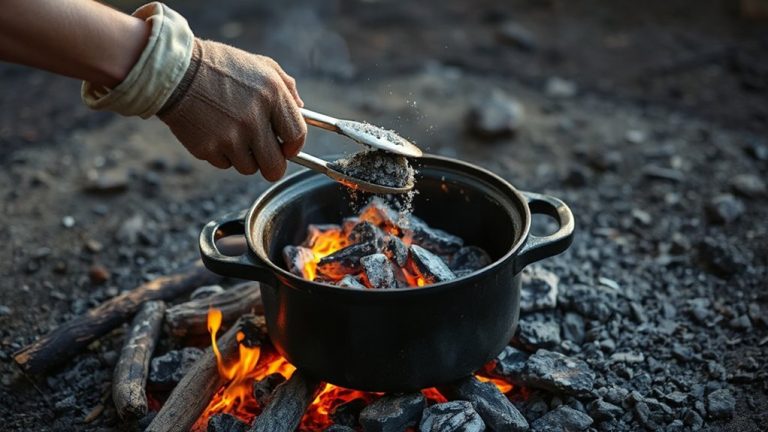
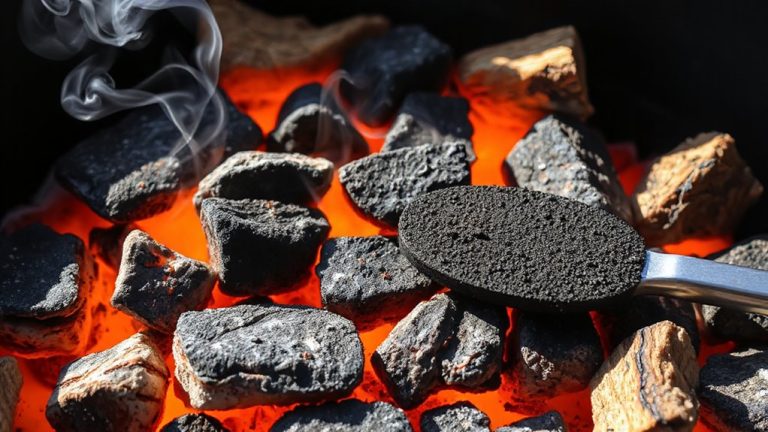
A sturdy pot and a steady flame open the door to bold, campfire-ready pasta dishes that go beyond the basics. You can layer in wood fired flavors by charring veggies first or stirring in a pinch of smoked paprika for depth. Try rigatoni with grilled sausage, blistered cherry tomatoes, and garlic-each ingredient thrives over open flame. The radiant heat intensifies sweetness, while the smoke subtly seasons the entire dish. These twists aren’t just convenient; they elevate al fresco dining into something memorable. Whole wheat penne holds up better than softer pastas, and short rib ragu simmers beautifully with slow, even heat. You’ll notice flavor complexity increases when you cook directly over coals versus a portable stove. With minimal cleanup and maximum taste, this approach blends practicality with culinary appeal. When you prioritize both performance and flavor, one-pot meals become the highlight of your campsite menu.
On a final note
You’ll find one-pot pasta ideal for camp stoves-compact, efficient, and low cleanup. It performs well on most portable burners, though precise heat control prevents scorching. The method saves fuel and time, essential in backcountry settings. While not as flavorful as home-cooked versions, strategic seasoning and ingredient choices elevate results. Overall, it’s a practical, reliable meal solution that balances convenience with nutritional needs in outdoor cooking scenarios.