Mastering the Two-Zone Fire for Grilling Delicate Fish Outdoors
You set up a two-zone fire by concentrating heat on one side-use charcoal on one side or burners lit on one end with gas. Sear fish like halibut or trout over direct heat for 60–90 seconds until it releases easily, then move to the cooler zone to finish gently. Keep the lid closed to maintain steady temps and prevent drying. Skin-on cuts hold together better and gain flavor with a light oil-based marinade or herb crust. You’ll get even cooking and avoid sticking when you flip just once with a sturdy spatula-clean results start with proper prep and attention to heat control.
Notable Insights
- Set up a two-zone fire by stacking coals on one side or using burners unevenly to create distinct heat zones.
- Preheat the grill thoroughly to ensure even cooking and reduce the risk of delicate fish sticking.
- Sear fish skin-side down over direct heat for 60–90 seconds to develop grill marks and ease release.
- Move fish to the cooler zone after searing to gently finish cooking to 125°F–130°F internally.
- Use a thin, sturdy spatula and flip only once to preserve structure and prevent flaking.
Set Up a Two-Zone Fire: Gas vs Charcoal
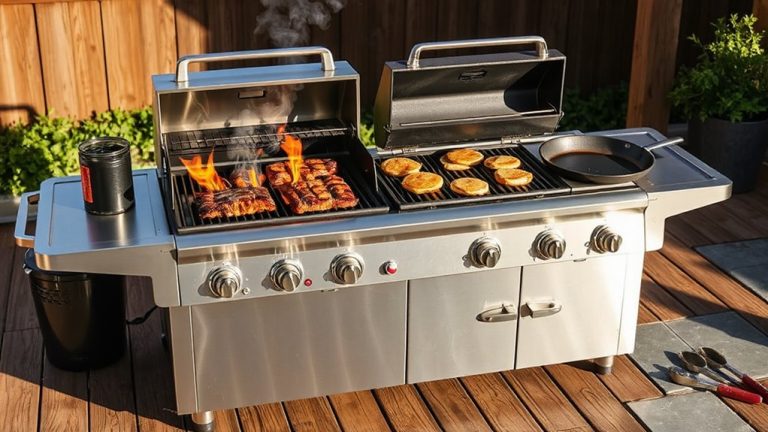
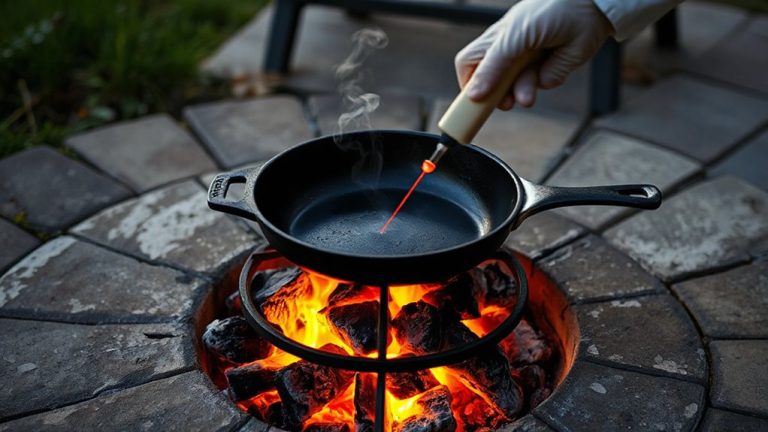
Heat control separates the good grilled fish from the great, and setting up a two-zone fire is your best move for consistent results. With charcoal, you pile the coals on one side, creating a hot zone for searing and a cooler side for gentle finishing-excellent heat control once you learn the rhythm. Your fuel type dictates setup time and management: charcoal burns hotter and lends a smoky depth, but demands more attention. Gas grills offer convenience and instant heat control-just dial down one set of burners for indirect heat, leaving the other side high. Clean-up’s quicker, and temperature swings are rarer. Neither fuel type is flawless; charcoal rewards patience, gas favors precision. Yet both can nail delicate fish if you master the zones. Preheat, monitor the gaps between grates, and adjust as needed. The right setup means fewer flare-ups and even cooking-critical when working with tender fillets.
Choose the Best Delicate Fish for the Grill
You’ve got your two-zone fire humming, whether you’re working with charcoal’s bold heat or gas’s steady precision-now it’s time to pick the right fish for the grill. Opt for firm yet delicate varieties like sea bass, trout, or halibut; they hold up well over direct heat without falling apart. Freshness matters-look for clear eyes, bright gills, and flesh that springs back when pressed. Avoid flimsy fillets that tear easily; they’ll likely stick or crumble. Whenever possible, go skin on. The skin on benefits are real: it protects the flesh, helps retain moisture, and crisps beautifully over the grill. Thicker cuts, like whole fish or center-cut steaks, give you more control and are less prone to drying. While delicate, these fish still need structure to survive the grates, so skip overly thin or soft options unless using a plank or basket. Choose wisely, and your grill will reward you.
Sear First, Then Finish Over Indirect Heat
Once you’ve got your two-zone setup running cleanly, searing the fish over direct heat first creates a caramelized crust that locks in juices and adds authentic grilled flavor. Proper sear timing-typically 60 to 90 seconds per side-ensures a golden exterior without overcooking the delicate flesh. You’ll know it’s time to move the fish when it releases easily from the grate and shows defined grill marks. Then, shift it to the indirect zone to gently come up to the ideal finish temperature, usually 125°F to 130°F for most white fish or fattier fillets like salmon. This method balances texture and doneness far better than constant direct heat, which risks drying out tender species. Controlled heat distribution isn’t just efficient-it’s essential for precision. Relying on both zones maximizes flavor development and structural integrity, making the two-zone fire the most reliable technique for grilling delicate seafood outdoors.
Stop Sticking and Flaking: Flip & Handle Right
A well-executed flip can make the difference between a flawless fillet and a fragmented mess, so getting the technique right matters just as much as heat control. Wait until the fish sears properly-those crisp grill marks mean the surface has firmed up and released from the grates. Peek gently; if it resists, let it cook longer. When ready, use a thin, sturdy spatula and commit to one swift, confident motion. Don’t hesitate halfway-that’s when flakes tear. Flip only once, then finish over indirect heat to avoid overcooking. Proper heat control guarantees the exterior develops flavor without burning while the interior cooks evenly. Delicate fish like branzino or tilapia need this balance more than sturdy options like salmon. Overcrowding the grill also hampers heat control, increasing stick risk. Keep the lid closed after flipping to maintain consistent temperature. Handle minimally-fewer touches mean fewer flaws.
Boost Flavor: Easy Marinades and Rubs
Three simple components-oil, acid, and seasoning-form the foundation of most effective fish marinades, and getting them balanced can elevate even modest cuts to standout dishes. You’ll want to use a light oil like grapeseed or avocado to coat the fish without overpowering it. Fresh citrus juice provides a bright acid, while a touch of citrus zest adds aromatic depth without bitterness. Marinate delicate fish for just 15–30 minutes; longer risks breaking down the flesh. For a bolder approach, rubs work quickly and reliably. A well-crafted herb crust-think parsley, thyme, garlic, and zest pressed onto oiled fish-forms a flavorful sear on the grill. Unlike marinades, rubs don’t require time to penetrate, making them ideal for last-minute cooking. Both methods shine over two-zone heat, where gentle indirect warmth preserves texture while direct flame develops taste.
Grill Thin Fish Without Falling Apart
You’ve seasoned your fish with a bright marinade or a fragrant rub, and now it’s time to get it on the grill-where things can go sideways fast if you’re working with thin fillets like sole, tilapia, or small whole fish. Successful grilling hinges on precise grill temperature control and smart fish skin preparation. High, direct heat will curl and tear delicate flesh, so use the two-zone setup: sear over direct heat, then move to the cooler side to finish gently. Pat the skin dry and oil it well-this prevents sticking and promotes crispness. A fish basket helps, but flipping with a thin spatula works if done confidently.
| Technique | Effect on Thin Fish |
|---|---|
| High heat only | Overcooks, breaks skin |
| Two-zone grilling | Even cook, intact fillets |
| Wet skin | Sticks, tears easily |
| Dry, oiled skin | Releases cleanly, crisps nicely |
| Flipping early | Causes structural failure |
On a final note
You’ve set up your two-zone fire, chosen the right fish, and mastered the sear-and-finish technique. Now, flipping is cleaner, and sticking’s no longer a problem. With simple marinades or rubs, flavor stays bright and balanced. Grilling delicate fish isn’t just possible-it’s reliable when done right. This method works because it controls heat exposure, preserving texture without sacrificing grill marks or smokiness. For outdoor cooking, precision beats guesswork every time.