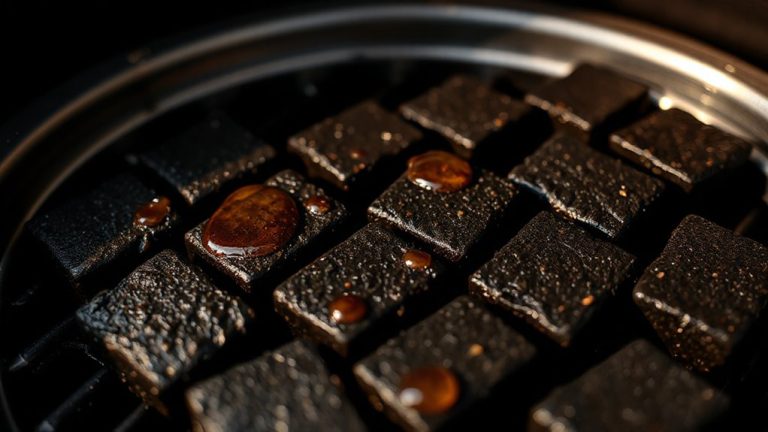
Selecting Food-Safe Hardwood Pellets Based on Regional Availability
When selecting food-safe hardwood pellets, go for locally sourced options made from 100% natural hardwood with no additives. Fresh, low-moisture pellets from trusted regional suppliers burn cleaner and deliver better flavor. Look for USDA Organic or PFI certification to guarantee safety and quality. Avoid pellets from regions with loose regulations-they may contain harmful residues. Choosing the right regional pellet enhances your cook and protects your health-smart choices lead to better results every time.
Notable Insights
- Choose pellets made from 100% natural hardwood with no additives for food-safe grilling.
- Prioritize certified pellets such as USDA Organic or PFI to ensure food-grade safety standards.
- Select fresh, locally sourced hardwood pellets to minimize moisture and maintain burn quality.
- Favor regional suppliers in areas with strict safety regulations, like North America or Western Europe.
- Match local wood types like hickory or applewood to desired flavor profiles for optimal results.
Why Unsafe Pellets Risk Your Health and Flavor
While you might assume all wood pellets work the same on your grill, using unsafe or non-food-grade hardwood pellets can compromise both your health and the taste of your food. These low-grade pellets often contain binders, fillers, or softwood sawdust treated with chemicals that release toxic fumes when burned. Inhaling these fumes isn’t just unpleasant-it may pose long-term health risks. Likewise, chemical residues can settle on your food, creating an off-putting aftertaste or even contaminating your meal. Food-safe hardwood pellets, made from 100% natural hardwood without additives, avoid these dangers. They burn cleanly, produce consistent heat, and enhance flavor without introducing harmful byproducts. For both safety and performance, your choice of pellets matters. Don’t risk your well-being or the quality of your cookout-opt for certified food-grade pellets that prioritize purity and culinary integrity.
How Fresh, Local Hardwoods Improve Pellet Quality
Since the quality of your pellets starts with the raw material, choosing fresh, locally sourced hardwood makes a noticeable difference in both burn efficiency and flavor output. Fresh hardwoods haven’t been exposed to prolonged outdoor elements, so their moisture content stays low-typically under 10% when properly kiln-dried. That low moisture content means they ignite faster and burn hotter, improving burn efficiency and reducing wasted fuel. You’ll notice fewer clinkers and consistent heat, which translates to more predictable cooking results. Local sourcing cuts transport time, ensuring the wood doesn’t absorb ambient humidity before pelletizing. Plus, regional suppliers often prioritize batch freshness, so you’re not burning stale or compromised pellets. When you use fresh, local hardwood, you’re not just supporting nearby forestry practices-you’re getting a cleaner, more reliable product that performs better from hopper to grill. It’s a practical upgrade that serious outdoor cooks can actually see and taste. Different wood chip types can also influence flavor profiles significantly, making it essential to choose based on the meat and desired smoke intensity.
Popular Local Woods and the Flavors They Add
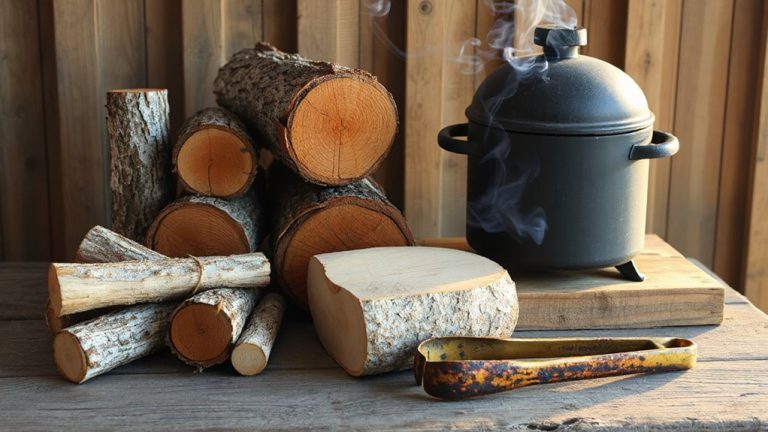
When you’re aiming for distinct flavor profiles in your grilled dishes, the type of local hardwood you choose plays a decisive role in shaping the final taste. Hickory delivers a strong, bacon-like smoky aroma that works well with pork and ribs, while maple offers a subtly sweet note, perfect for poultry or vegetables. If you’re near walnut trees, you’ll find their bold, earthy flavor best used sparingly. Oak provides a medium-bodied backbone, versatile across meats without overpowering. Regional varieties like mesquite in the Southwest bring intense, almost charred notes ideal for beef, whereas applewood on the West Coast lends a fruity tang great for smoking salmon. Your local hardwoods aren’t just convenient-they offer unique flavor signatures shaped by soil and climate. Choosing based on availability means fresher pellets and more authentic taste, enhancing your control over the grilling experience. For best results, consider the best smoking wood picks based on regional sourcing and flavor compatibility.
Food-Safe Certifications: What to Look For
Safety starts with certification, and knowing what to look for can save you from hidden risks in your grilling routine. Always check for food grade labeling and trusted certification standards to guarantee pellets are safe for cooking. Not all hardwood pellets are made for food-some contain binders or come from treated wood. Look for clear indicators of compliance, especially if grilling at high temperatures where contaminants could transfer to your food. For preparing dishes like pork ribs, choosing the right best pellets for cooking can enhance both safety and flavor.
| Certification | Meets Food Grade Labeling | Aligns with Safety Standards |
|---|---|---|
| USDA Organic | Yes | Strict |
| ENplus | Sometimes | Moderate |
| Pellet Fuels Institute (PFI) | Yes | High |
| SFI | No | Forestry-focused |
| FSC | Indirectly | Environmental, not food safety |
PFI and USDA certifications are your best bets for reliable, food-safe performance.
Watch for Unsafe Pellets by Region
While regulations can differ greatly across regions, you’ll want to stay alert to the fact that not all hardwood pellets are held to the same safety standards worldwide. Some countries allow binders or additives that leave behind chemical residues when burned, which can affect both flavor and health. You’re better off avoiding pellets from regions with lax environmental oversight, as they may carry regional contaminants like heavy metals or industrial pollutants absorbed by the source wood. These impurities don’t just alter taste-they pose real risks when introduced into food. Even reputable brands can source materials locally, meaning production location matters as much as labeling. Always research where your pellets are made and what testing protocols they undergo. Pellets from North America and Western Europe generally adhere to stricter food-safe benchmarks, minimizing exposure to harmful byproducts. Stay cautious, especially with imported or bulk options lacking transparent sourcing.
Choose the Right Local Pellet for Your Dish
You’ve done the homework on sourcing clean, food-safe hardwood pellets, but the real magic starts when you match the right burn to your dish. Proper pellet sourcing isn’t just about safety-it’s about flavor pairing. Oak gives a medium-strong smoke, perfect for beef or pork with longer cooks. If you’re grilling poultry or fish, go for milder hickory or maple-too strong a burn overpowers delicate proteins. Apple and cherry woods lend subtle sweetness, ideal for ribs or veggies. Burn consistency matters, too: uneven combustion affects flavor depth. Local pellets often reflect regional woods, so choose based on both availability and culinary intent. Your pellet choice shapes the dish’s profile as much as seasoning or heat control. Match the smoke to the protein, balance intensity with cook time, and don’t overlook how moisture content influences burn efficiency. Smart flavor pairing elevates your results from good to restaurant-grade.
Where to Buy Local Pellets You Can Trust
A growing number of backyard pitmasters are turning to local suppliers for hardwood pellets, and for good reason-proximity often means fresher batches and tighter quality control. You’ll often find trusted local brands at farmer markets, where you can speak directly with producers, ask about sourcing, and verify food-safe practices. These face-to-face interactions build confidence in what you’re burning. When farmer markets aren’t accessible, online retailers offer a reliable alternative, especially those specializing in BBQ supplies and listing pellet certifications like USDA or ENplus. Look for transparent labeling-hardwood-only composition, no fillers or binders. While national brands have consistency, local options often provide regional wood types you won’t find elsewhere, enhancing flavor. Choose suppliers with fast turnover to guarantee freshness, because stale pellets burn less efficiently and can affect smoke quality.
On a final note
You’ve seen how unsafe pellets risk both health and flavor, and why fresh, local hardwoods make a difference. Choosing food-safe, certified pellets guarantees cleaner burns and better taste. Regional availability shapes your options, but knowing what to avoid-like treated or softwoods-keeps your BBQ safe. Matching the right local wood to your dish enhances aroma and authenticity. Trusted sources matter, so buy wisely and cook confidently.