Using a Campfire to Toast Nuts for Trail Mix Enhancements
You’ll get richer, smokier flavors by toasting nuts over a campfire with glowing embers instead of flames. Almonds, pecans, and hazelnuts perform best when stirred often on a wire grill or in a cast-iron skillet. Keep heat steady, flip with tongs, and avoid burning-especially with oil-rich varieties like walnuts or pine nuts. Once cooled, season lightly and store airtight. You’ll see how fire-toasted depth transforms trail mix beyond oven-baked results.
Notable Insights
- Use glowing embers instead of open flames for consistent, controlled toasting of nuts over a campfire.
- Choose almonds, hazelnuts, pecans, or walnuts for best results when enhancing trail mix with fire-toasted flavor.
- Toast nuts in a cast-iron skillet or wire mesh grill to ensure even heat distribution and prevent burning.
- Stir frequently and monitor closely, as toasting times vary from 5 to 12 minutes depending on nut type.
- Season after toasting with spices or sweet mixes, then store in airtight bags with desiccant for trail use.
Best Nuts for Campfire Toasting
When it comes to campfire toasting, not all nuts deliver the same results-some hold up better to open flame, while others offer richer flavor after a careful char. Your nut selection directly impacts both texture and taste in the final trail mix. Almonds and hazelnuts excel over direct heat, developing a deep, toasty crunch without burning easily. Pecans and walnuts char quickly but deliver unmatched richness when monitored closely. Cashews toast well but can turn bitter if overdone. Consider flavor pairing when choosing: robust nuts like Brazil or macadamia stand up to smoky, sweet, or spicy seasonings added post-toast. Smaller or oil-rich varieties, like pine nuts, are risky over open flames and often underperform. Ultimately, the best nuts balance heat resilience with flavor enhancement, making them ideal candidates for outdoor toasting-where control is limited, but results matter.
Must-Have Tools for Fire-Toasted Nuts
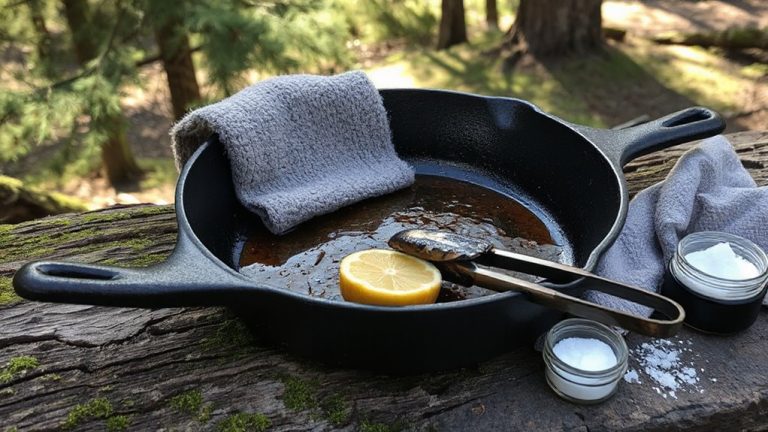
You’ve picked the right nuts for the heat-almonds for resilience, hazelnuts for depth, pecans for buttery richness-but success over an open flame doesn’t stop at selection. Proper tools guarantee even toasting and protect your nut varieties from burning. Heat control is tricky with campfires, so investing in the right gear makes all the difference. A sturdy wire mesh grill, long-handled tongs, and a cast-iron skillet give you precision and safety. Here’s how they compare:
| Tool | Best For | Heat Control Level |
|---|---|---|
| Wire Mesh Grill | Small batches | Moderate |
| Cast-Iron Skillet | Dense nut varieties | High |
| Tongs (long-handled) | Flipping precision | High |
| Fireproof Spatula | Stirring evenly | Moderate |
| Heat-Resistant Bowl | Cooling quickly | N/A |
These tools balance function and durability in the wild.
How to Toast Nuts Safely Over a Campfire
A single misstep can turn golden-brown almonds into bitter, charred scraps, so controlling heat exposure is essential when toasting nuts over a campfire. You need consistent heat control to achieve even toasting without burning. Position your grill grate at a medium height above the flames-too close and the nuts scorch, too far and they won’t toast. Use a cast-iron skillet or perforated tray to distribute heat evenly while minimizing flare-ups. Always keep a spray bottle or bucket of water nearby for immediate fire safety response. Never leave the nuts unattended; constant monitoring prevents accidents and guarantees quality. Stir frequently to expose all sides to steady warmth. Opt for a campfire with established embers rather than roaring flames, as glowing coals offer more predictable heat. Proper setup and attentiveness reduce risks, making the process both effective and safe. For best results, choose a campfire grill designed for stable, adjustable-height cooking.
Step by Step: Toasting Nuts Over the Flame
Golden warmth, not raging fire, is what transforms raw nuts into rich, aromatic morsels-so start by building a bed of glowing embers rather than dancing flames. Proper heat control guarantees even toasting without scorching. Use a grill grate or cast-iron skillet for consistent contact and easier flipping. Stir often for uniform browning and to prevent bitterness. A durable campfire grill grate ensures stable, even heating over open flames.
| Nut Type | Toast Time (approx.) |
|---|---|
| Almonds | 8–10 minutes |
| Pecans | 5–7 minutes |
| Walnuts | 6–8 minutes |
| Cashews | 7–9 minutes |
| Hazelnuts | 10–12 minutes |
Timing varies by size and moisture content, so monitor closely. Good nut selection-fresh, raw, and uniformly sized-makes heat control more effective and results more predictable. Smaller nuts like pecans toast faster; larger ones like hazelnuts need patience. Wild toasting demands attention, but the payoff in flavor depth is undeniable. A well-tended nut transforms from simple fuel to a gourmet trail staple.
Flavor Upgrades: Seasoning Nuts in the Wild
Once the nuts have reached that ideal golden hue over the embers, their aromatic richness opens the door to further enhancement-seasoning can elevate them from subtly roasted to boldly flavorful, especially when adapted to the unpredictability of outdoor conditions. You’ve got options: simple salt enhances depth, while homemade spice blends-like smoked paprika, garlic powder, and a pinch of cayenne-add complexity and warmth. Think about flavor pairings: cinnamon and brown sugar work for sweet profiles, whereas chili-lime balances tang and heat. Toss the nuts gently in a bowl or resealable bag to distribute seasonings evenly-this minimizes waste and maximizes coverage. A light drizzle of oil helps spices adhere, but don’t overdo it; too much grease alters texture. These enhancements aren’t just tasty-they’re functional, boosting energy and morale on longer hikes. Properly seasoned nuts become more than fuel: they’re a rewarding, customizable trail staple.
How to Store Toasted Nuts for the Trail
With your nuts evenly toasted and seasoned to taste, the next step is securing them in packaging that preserves freshness while holding up under rugged conditions. For effective nut preservation, use airtight silicone or heavy-duty resealable bags-they resist punctures and maintain flavor integrity. Store your nuts in a cool, dark spot in your pack, away from direct sunlight or heat sources that degrade oils. Moisture prevention is key; even slight dampness saps crunch and invites spoilage. Consider adding a small desiccant pack if you’re heading into humid environments. While vacuum-sealed containers offer superior protection, their weight isn’t ideal for ultralight treks. Sturdy, flat-profile bags conform well to pack spaces and allow easy access. Avoid foil wrap alone-it tears easily and offers poor moisture resistance. Proper packaging balances durability, weight, and shelf life, ensuring your toasted nuts remain crisp and flavorful throughout the journey.
Why Campfire-Toast Your Trail Mix Nuts?
You’ve got your toasted nuts packed and protected against moisture and heat, but there’s something unmatched about roasting them on the trail over a campfire. The direct, radiant heat crisps the nuts evenly, enhancing their natural oils in a way pre-toasted versions rarely match. You’re not just cooking-you’re engaging in an outdoor tradition that connects you to generations of hikers and foragers who relied on fire for flavor and sustenance. The campfire ambiance elevates the experience: the crackle of burning wood, the scent of smoke mingling with toasting almonds or pecans. It’s practical, too-cooking over flame reduces reliance on pre-packaged foods. While it demands attention to avoid burning, the payoff in taste and texture is worth the effort. Ultimately, campfire-toasting isn’t just about nutrition; it’s about ritual, flavor depth, and the satisfaction of crafting something fresh in the wild.
On a final note
You’ll find campfire-toasted nuts elevate trail mix with deeper flavor and satisfying crunch. Using simple tools like a cast-iron skillet or foil pack, you achieve even heat and control without risk. Toasting over flame enhances natural oils and improves texture, outperforming store-bought versions. With minimal cleanup and full flavor customization, this method proves reliable and efficient, making it a smart, practical choice for outdoor cooking enthusiasts who value taste and functionality on the trail.