Reinforcing Floor Supports Under Heavy Commercial-Grade Cabinet Smokers
You’ll need to reinforce your floor before installing a heavy commercial cabinet smoker-these units often exceed 1,200 pounds and generate thermal stress that weakens standard joists over time. Upgrading to 2×10 or 2×12 supports, spacing them at 12 inches on center, and adding solid blocking prevents sagging and protects structural integrity. Steel beams or LVLs offer even better support in high-load areas. Ignoring reinforcement risks subfloor damage and misalignment. There’s more to weigh when ensuring long-term stability and safety.
Notable Insights
- Upgrade floor joists to 2×10 or 2×12 lumber to support heavy smoker loads effectively.
- Reduce joist spacing to 12 inches on center for improved load distribution and reduced deflection.
- Install solid blocking every 4 feet between joists to prevent lateral movement and enhance stability.
- Use doubled beams or LVL headers under high-load areas to strengthen support beneath the smoker.
- Address visible sagging or sticking doors by sistering joists or adding jack posts for structural repair.
Why Floor Reinforcement Matters for Cabinet Smokers
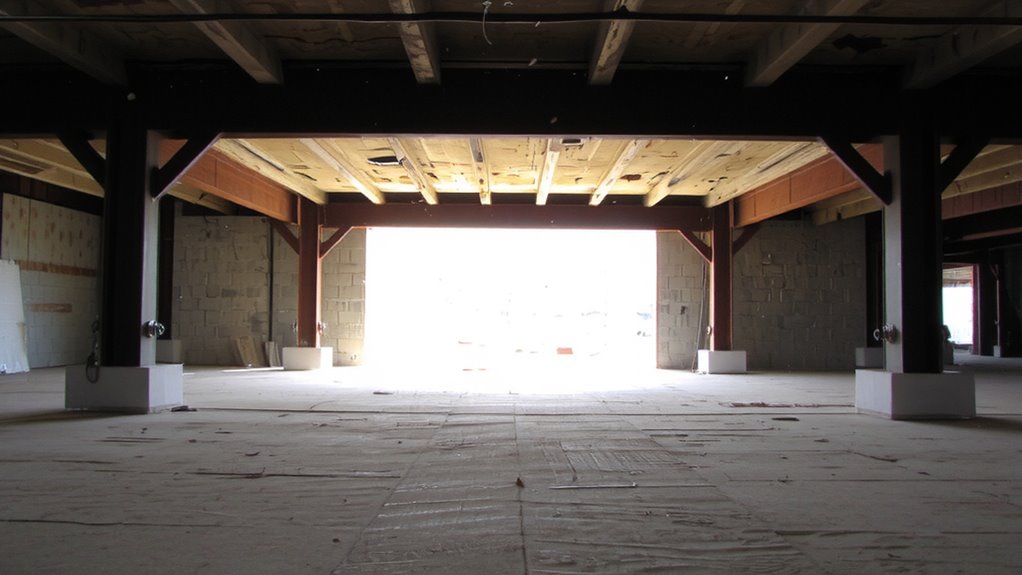
Safety isn’t just a recommendation-it’s a requirement, especially when you’re working with heavy, heat-producing equipment like cabinet smokers. You’re not just installing an appliance; you’re anchoring a system that demands structural accountability. Without proper floor reinforcement, the risk of sagging, warping, or even collapse rises-particularly under continuous thermal stress. Material selection plays a critical role: untreated wood or weak composites won’t hold up, but pressure-treated joists or steel supports can maintain integrity over time. Load distribution is equally essential-spreading weight across multiple beams prevents concentrated stress points. You’ll see fewer maintenance issues and longer equipment life when the foundation matches the smoker’s demands. Ignoring reinforcement doesn’t just jeopardize the structure-it endangers everyone nearby. In commercial BBQ, where precision and safety go hand in hand, cutting corners on support isn’t an option.
How Much Weight Can Your Smoker Floor Handle?
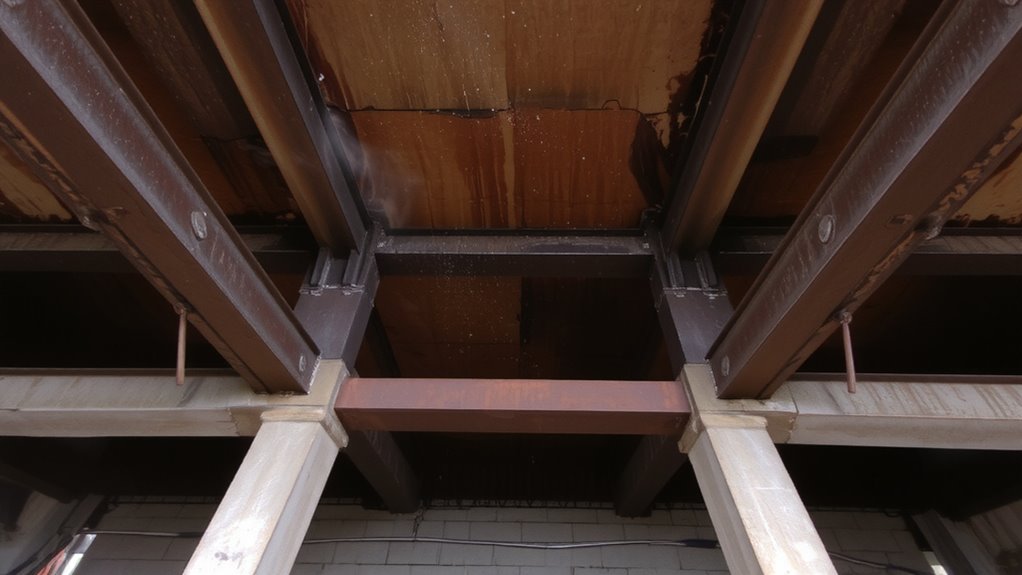
How much weight can your floor actually bear before problems start? It depends on construction, but standard floors may only support 40–50 psf, while commercial smokers often exceed this. Unchecked loads risk floor cracks and moisture damage, especially in damp environments where wood weakens over time. You need to assess load capacity early to prevent structural issues.
| Smoker Type | Avg. Weight (lbs) | Floor Load (psf) |
|---|---|---|
| Small Cabinet | 400 | 30 |
| Medium Commercial | 800 | 50 |
| Large Dual-Chamber | 1,200 | 75 |
| Heavy-Duty Unit | 1,800+ | 100+ |
| Fully Loaded | 2,000+ | 120+ |
Ignoring these numbers invites long-term moisture damage and visible floor cracks.
Upgrade Joists to Support Heavy Smoker Loads
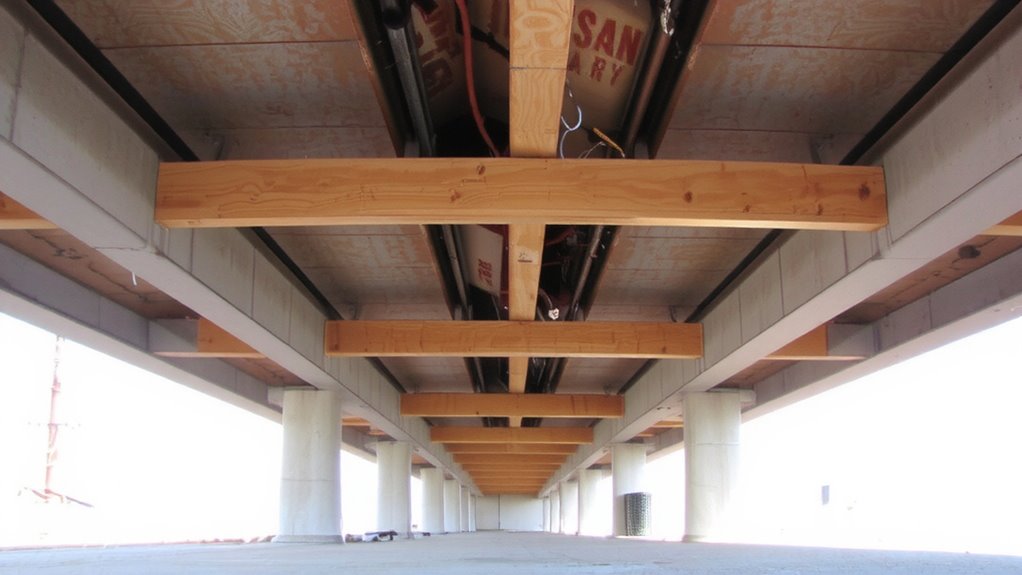
While standard floor joists might handle everyday loads just fine, they’re often underpowered when it comes to the serious weight of commercial-grade cabinet smokers-especially when fully loaded. You’ll need to upgrade to larger joists, typically switching from 2x8s to 2x10s or 2x12s, to guarantee reliable support. Reducing joist spacing from 16 inches to 12 inches on center improves load distribution and minimizes deflection under heavy, static weights. This change isn’t overkill-it’s necessary for long-term structural integrity. Proper load distribution prevents sagging and protects both flooring and smoker alignment over time. You’re not just supporting metal and racks; you’re accounting for meat, water pans, and frequent use. Engineered lumber like LVL beams can further enhance strength, but even dimensional lumber upgrades make a measurable difference. Always consult local codes, but don’t rely on them alone-your smoker’s weight demands conservative, forward-thinking framing choices.
Install Blocking and Beams for Structural Stability
You’ve upgraded the joists and tightened their spacing to handle the smoker’s substantial load, but that’s only part of the stability story. Blocking and beams are essential for even load distribution and preventing twisting under sustained weight. Adding solid blocking between joists every 4 feet stops lateral movement, while doubled-up beams at critical support points offer extra rigidity. Cross bracing-especially in crawl spaces-significantly improves resistance to long-term deflection. Without these, your smoker’s footprint could shift, risking damage.
| Component | Purpose |
|---|---|
| Solid blocking | Prevents joist rotation |
| Cross bracing | Reduces floor bounce |
| Beam supports | Reinforces high-load zones |
| Double headers | Enhances load distribution |
| Perimeter nailing | Locks framework in place |
These steps don’t just support weight-they maintain integrity across your smoker’s entire footprint.
Is Your Floor Sagging? Warning Signs You Need Reinforcement
Why does your floor feel unsettled underfoot when you walk near the smoker’s location? You might already have visible signs of structural strain. Uneven flooring is one of the clearest indicators-subtle dips or slopes near the smoker suggest the joists can’t handle the load. If doors stick or cabinets crack, that’s not just wear-it’s movement. You may also notice cracked walls, especially at corners or where walls meet ceilings; these aren’t cosmetic if they reappear after patching. Commercial-grade cabinet smokers are heavy, often exceeding standard floor load capacity over time. Ignoring these signals risks subfloor damage or long-term sagging. You’ll want to inspect support beams and crawl space conditions. Proper reinforcement-like adding jack posts or sistering joists-can prevent worsening. These fixes guarantee safety and stability, especially in high-use outdoor kitchens. Spotting sag now saves costly repairs later.
On a final note
You’ll need strong floor support if you’re running commercial cabinet smokers-these units pack serious weight, especially when loaded. Upgraded joists, proper blocking, and added beams aren’t overkill; they’re essential for safety and longevity. Ignoring structural limits risks sagging, damage, or worse. Smart reinforcement means reliable performance, season after season. For serious outdoor cooking, prioritize structural integrity-it’s the foundation of every successful smoke.