Cleaning a Pizza Oven Stone: Cool Time & Scrubbing Steps
Let your pizza oven cool for 60 to 90 minutes-this prevents thermal shock and burns while letting the stone release heat safely. While it’s still warm, remove debris with a soft scraper; the residual warmth helps lift crust and char without liquid. Use a stiff brass or stainless grill brush in circular motions, then wipe with a damp microfiber cloth-no soap, as it can seep into the porous surface. Always air dry completely before storing to prevent mold and cracking. Proper cleaning keeps your stone performing like new for every cook. There’s more to mastering your oven’s maintenance just ahead.
Notable Insights
- Let the oven cool for 60 to 90 minutes to prevent burns and thermal damage before cleaning the stone.
- Clean debris while the stone is warm to the touch using a soft scraper or dry cloth.
- Scrub the surface with a stiff-bristled grill brush using circular motions to remove stubborn residue.
- Wipe the stone with a damp cloth to sanitize, avoiding soap to prevent absorption into the porous surface.
- Air dry completely in a ventilated area before storing to prevent mold and avoid cracking.
Let the Oven Cool to a Safe Temperature
After you’ve finished baking your last pizza, don’t rush into cleaning just yet-letting the oven cool to a safe temperature is essential for both your safety and the longevity of the stone. Oven safety hinges on respecting the required cooling time, as the stone retains intense heat long after use. Touching it too soon risks serious burns, and rapid temperature shifts could cause cracking. You’ll want to allow at least 60 to 90 minutes, depending on how hot the oven ran. This waiting period isn’t just about comfort-it’s part of proper equipment care. Unlike metal surfaces, ceramic stones react poorly to thermal shock. Letting it cool gradually guarantees structural integrity over repeated use. While it might be tempting to jump into cleanup, patience protects both you and your investment. Proper cooling time is a small but critical step in outdoor cooking, where performance and safety go hand in hand.
Remove Debris From the Stone While Warm
A little residual heat works to your advantage when it’s time to clear off the stone-just wait until it’s warm to the touch, not scalding. This is prime time for basic stone maintenance, as warmth loosens stuck-on debris without risking thermal shock. Thanks to the stone’s heat retention, crust fragments and char usually lift more easily now than once fully cooled. Use a soft scraper or dry cloth to gently nudge off remnants-no liquids, which could seep in and compromise integrity. You’re not deep cleaning yet, just prepping the surface. This step supports longevity, preventing buildup that could affect future bake quality. Smart stone maintenance isn’t about aggression; it’s about timing and understanding how ceramic or cordierite responds to temperature shifts. Letting the material do some of the work reduces effort later. This warm-window method aligns with best practices for portable oven care, blending performance insight with practical upkeep.
Scrub the Pizza Stone With a Grill Brush
You’ll want to grab a stiff-bristled grill brush once the stone has cooled enough to handle but still holds a slight warmth-this residual heat helps dislodge stubborn residues without the risk of thermal cracking. Using firm, even strokes, scrub the surface in a circular motion to lift carbonized bits and stuck-on debris. Opt for a brush with brass or stainless steel bristles; they’re durable and effective without being overly aggressive on the stone’s surface. Avoid wire brushes that shed bristles, as they compromise both food safety and grill maintenance. Proper brush types matter-not all are suited for stone surfaces. While nylon brushes are gentler, they often lack the grit needed for thorough cleaning. A well-chosen grill brush extends the life of your stone and guarantees consistent cooking performance. Regular use of the right tool makes post-cook cleanup quicker and more effective, keeping your portable oven in top condition for every bake. For optimal safety and cleaning efficiency, choose one of the best grill brushes recommended for high-heat cooking surfaces.
Wipe With a Damp Cloth (No Soap!)
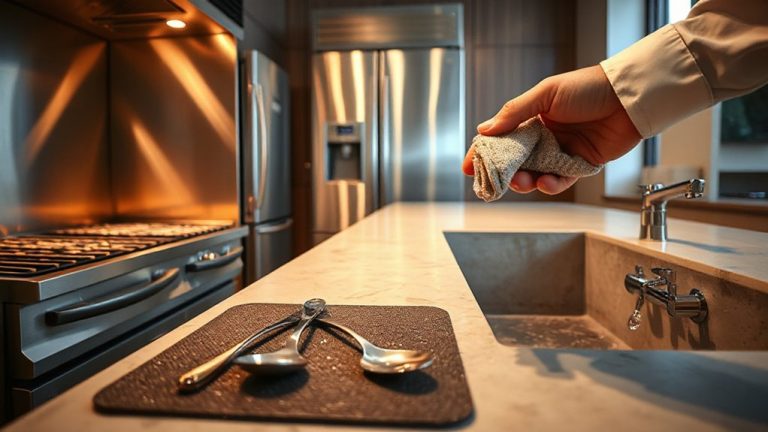
While the heat of the stone has faded, it’s still warm enough to aid in loosening residue, making now the ideal time to go over the surface with a damp cloth. Use a soft cloth material-cotton or microfiber works best-to avoid scratching the stone texture, which can harbor grease and debris over time. Gently wipe the entire surface, letting the residual warmth help lift stubborn particles without needing soap, which the porous stone could absorb and later release into your food. This step guarantees sanitation while preserving the integrity of the stone. Avoid abrasive materials; they compromise both performance and longevity. A damp cloth pass is quick, effective, and aligned with best practices in outdoor cooking gear maintenance. Done correctly, it maintains flavor purity and prevents buildup that brushes alone might miss. This method supports consistent heat retention and protects the stone’s natural properties across many uses.
Air Dry and Reassemble for Storage
Once you’ve wiped down the stone, let it air dry completely before considering storage, because trapped moisture can lead to cracking during future heat cycles or encourage mold in porous surfaces. Position the stone on a clean, flat surface in an area with proper ventilation-like a shaded outdoor space or a dry garage-where airflow can speed evaporation without exposing it to dust or pests. Avoid sealing it in a container or wrapping it while damp. Once dry, reassemble the oven with attention to secure placement; misaligned parts can shift during transport, risking damage to the stone or frame. Check fasteners and insulation components to maintain long-term performance. This final step guarantees durability and readiness for your next cook, preserving both food safety and equipment integrity. Consistent care extends the stone’s lifespan and maintains cooking efficiency.
On a final note
You’ve cleaned the stone properly by letting it cool, brushing off debris, and wiping it down without soap-it’s essential to avoid moisture absorption and cracking. This maintenance guarantees long-term performance and prevents flavor transfer. A well-cared-for pizza oven delivers consistent, high-heat cooking perfect for outdoor entertaining. Your diligence extends the oven’s lifespan and preserves cooking quality, making every use as effective as the first.