Why Applewood Smoke Complements Delicate Poultry Without Overpowering
You’ll find applewood perfect for poultry because it delivers a clean, mild smoke with a hint of fruit sweetness that enhances chicken and turkey without masking their natural flavor. Unlike aggressive woods like hickory or mesquite, it burns evenly and won’t overwhelm delicate meat. Its subtle aroma penetrates deeply during slow cooking, enriching skin with gentle caramelized notes while preserving juiciness. Grill masters favor it for consistent results-discover how to pair it with the right cuts and seasonings next.
Notable Insights
- Applewood produces a mild, aromatic smoke that enhances poultry without masking its natural flavors.
- Its subtle fruit sweetness adds depth while allowing the meat’s taste to remain prominent.
- Unlike hickory or mesquite, applewood does not create harsh or bitter smoke that overwhelms delicate poultry.
- The clean, steady burn ensures even smoke penetration during slow cooking for balanced flavor.
- Applewood imparts gentle caramelized notes that improve skin crispness and overall sensory appeal.
How Applewood Enhances Chicken and Turkey Flavor
While you might think the smoky taste in grilled poultry comes primarily from heat and char, it’s actually the type of wood you use that shapes the flavor most significantly-and applewood stands out for its balanced, aromatic smoke. You’ll notice a subtle fruit sweetness that complements chicken and turkey without masking their natural flavors. Apple grind delivers an ideal smoke balance, producing a gentle, fragrant smoke that penetrates the meat evenly during slow cooking. Unlike heavier woods, it doesn’t dominate; instead, it enhances with mild caramelized notes, especially when used with poultry skin, helping it crisp beautifully. Grill masters consistently rate applewood highly for its clean burn and consistent performance across smokers and grills. Whether you’re roasting a whole turkey or grilling chicken pieces, the wood’s moderate density guarantees steady heat and prolonged smoke release. You get reliable results-flavorful, not ashy or bitter. For outdoor cooks aiming for refined taste, applewood’s blend of fruit sweetness and smoke balance is a practical, effective choice. Among the top picks for poultry, best smoke wood for chicken ensures optimal flavor without overwhelming delicate meats.
Why Applewood Won’t Overpower Poultry
A single piece of applewood won’t trigger the aggressive, tann combust smoke that hickory or mesquite might, and that’s exactly why it’s a go-to for poultry. You’re after flavor enhancement, not domination, and applewood delivers a mild smoke balance that complements rather than masks. Its burn is clean and steady, producing a consistent smoke that integrates seamlessly with chicken and turkey. Unlike heavier hardwoods, it imparts a subtle fruit essence-think hints of orchard sweetness without cloying intensity. That delicate profile means the natural taste of the meat stays front and center, enriched but never buried. You’ll notice the smoke lingers gently on the palate, rounding out spices and marinades instead of overwhelming them. For backyard cooks aiming for nuanced depth, applewood’s restrained character offers control and finesse, especially during longer smokes. It’s not just safe for poultry-it’s ideal. Pairing applewood smoke with best store-bought burger seasonings can elevate both poultry and ground meat dishes with balanced, layered flavor.
Applewood Vs. Heavier Woods: Best Choices for Chicken and Turkey
What happens when you swap applewood for hickory or mesquite on your chicken? You risk overwhelming the bird’s delicate flavor. Heavier woods like hickory or mesquite deliver bold, assertive smoke-great for beef, but often too intense for poultry. Applewood, in contrast, imparts a mild, slightly sweet aroma that enhances rather than masks. That’s why many pitmasters stick with applewood for chicken and turkey, especially when aiming for balanced, crowd-pleasing results. But don’t limit yourself-you can experiment with applewood blends, combining it with cherry or pecan for subtle complexity. These wood pairing alternatives offer more depth without sacrificing poultry’s natural taste. While heavier woods have their place, they require careful control to avoid bitterness. For reliable, flavorful smoke every time, applewood remains the top-tier choice, particularly when you want clean, consistent results in longer cooks. Best Wood Chips for Smoking Chicken are often ranked by flavor intensity and compatibility with poultry.
Best Chicken and Turkey Cuts for Applewood Smoking
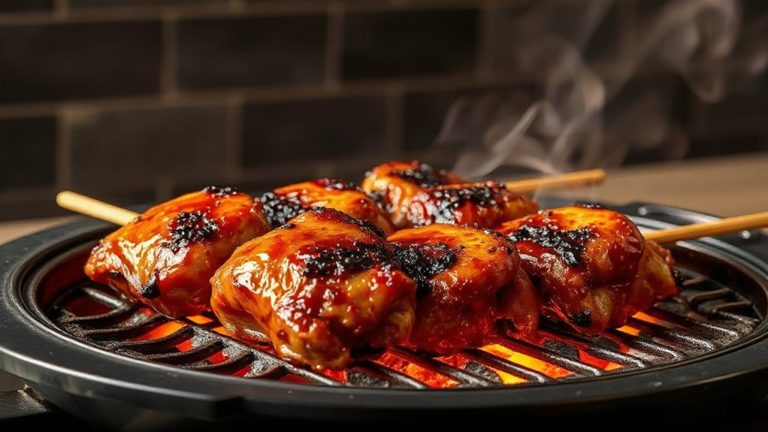
You’ve picked applewood for its gentle sweetness and ability to complement poultry without overpowering it-now it’s time to match that smart wood choice with the right cuts of chicken and turkey. Opt for pieces that benefit from smoke penetration and even cooking. Thighs hold up beautifully, maintaining thigh moisture while absorbing subtle woody notes. Wings develop exceptional wing crispness without drying, their small size allowing swift, flavorful exposure. Whole turkey breasts or bone-in chicken pieces also shine, retaining juiciness while adopting a delicate aroma.
| Cut | Why It Works |
|---|---|
| Chicken thighs | Rich in fat, retains thigh moisture |
| Turkey wings | Achieves crisp skin, intense wing crispness |
| Whole breasts | Large surface for smoke, stays tender |
Perfect Applewood Smoking Times for Juicy Poultry
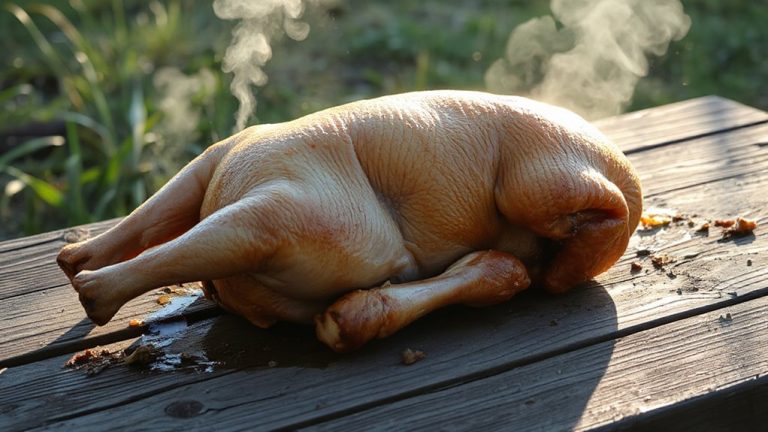
How long should poultry smoke to come out perfectly juicy with that delicate applewood flavor? It depends on size and cut, but maintaining a steady smoking temperature of 225°F guarantees even cooking without drying. A whole chicken usually takes about 3 to 3.5 hours, while turkey breasts need around 3.5 to 4 hours-always rely on internal temperature, aiming for 165°F in the thickest part. Smaller pieces like thighs or drumsticks take roughly 2 to 2.5 hours. Keep smoke thin and blue by controlling airflow; too much smoke overpowers. Once done, don’t skip the resting time-let poultry sit, tented, for 15 to 20 minutes. This allows juices to redistribute, guaranteeing moist, tender meat. With consistent smoking temperature and proper resting time, applewood delivers a subtly sweet aroma that enhances, never masks, the poultry’s natural flavor.
Best Herbs and Brines to Pair With Applewood Smoke
Now that you’ve nailed the timing and temperature for juicy, applewood-smoked poultry, it’s worth considering how the right herbs and brines can elevate that delicate smoke flavor instead of competing with it. A well-balanced herb pairing-like thyme, rosemary, and sage-complements applewood’s subtle sweetness without dominating the bird’s natural taste. These herbs layer complexity while letting the smoke shine. For brine infusion, a solution of water, brown sugar, salt, garlic, and a splash of apple cider enhances moisture and deepens flavor absorption. The sugar caramelize gently during smoking, aiding bark development. This brine infusion method also stabilizes protein fibers, ensuring tender meat. Unlike stronger woods, applewood plays well with delicate profiles, so avoid bold spices that clash. Your herb pairing and brine infusion choices should harmonize-adding depth, not masking. Thoughtful preparation here makes all the difference in outdoor cooking.
On a final note
You’ll find applewood strikes the ideal balance when smoking poultry, offering a mild, slightly sweet smoke that enhances rather than masks delicate chicken and turkey flavors. Unlike heavier woods like mesquite, it won’t overpower, making it perfect for white meat. Paired with proper brining and herb seasoning, it delivers consistently tender, aromatic results. For reliable, flavorful smoked poultry, applewood is a top-tier choice well worth mastering in your outdoor cooking routine.