Why Santa Maria Grilled Tri-Tip Uses Minimal Seasoning to Highlight Sear Flavor
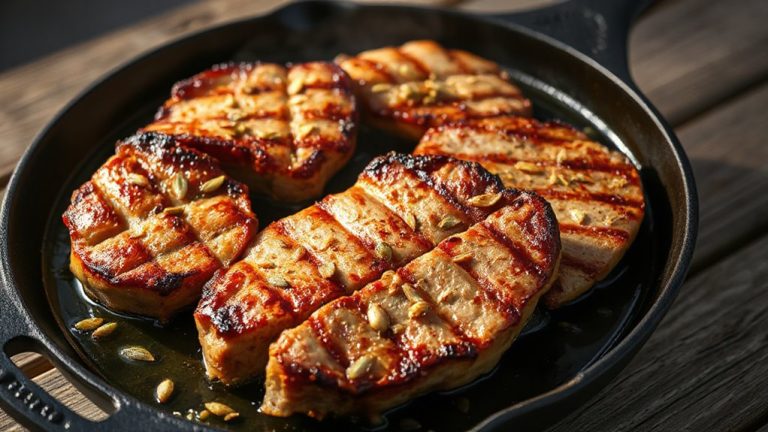
You use minimal seasoning on Santa Maria tri-tip because it lets the beef’s natural flavor and the red oak’s clean smoke shine. Salt, pepper, and garlic enhance-not mask-the meat, while a 500°F sear creates a crust rich with Maillard complexity. Heavy marinades or sugar-based rubs ruin the texture and char. This method demands quality meat and skill, honoring a tradition where fire, cut, and craft align-understanding these choices reveals the true roots of the region’s barbecue legacy.
Notable Insights
- Minimal seasoning allows the natural beef flavor to shine through without interference.
- Salt enhances savoriness and promotes a robust crust during high-heat searing.
- Freshly cracked pepper adds subtle heat and complexity without overpowering the meat.
- Garlic provides mild earthy depth while preserving the focus on sear-driven flavor.
- A clean sear from red oak wood pairs best with simple seasonings to honor tradition.
What Sets Santa Maria Tri-Tip Apart
Your plate’s pride comes from a tradition rooted in California’s Central Coast-Santa Maria–style tri-tip carries a distinct identity shaped by regional ingredients and open-flame techniques. This cut preference emerged from ranchers’ practicality, favoring the flavorful, triangular bottom sirloin for its balance of marbling and leanness. Unlike other BBQ styles that rely on heavy rubs or sauce, Santa Maria’s method highlights natural beef flavor through coarse salt, garlic, and wine-based marinades. The regional origin matters: cool coastal evenings and abundant red oak influence both timing and technique. You’ll sear it hot over open flames, rotating for even crust development, then finish with indirect heat. It’s a hands-on approach demanding attention, yet forgiving enough for seasoned and novice grillers alike. The result? A juicy, aromatic roast with a robust exterior-simple, authentic, and deeply tied to its Central Coast roots.
Why Red Oak Wood Builds Authentic Flavor
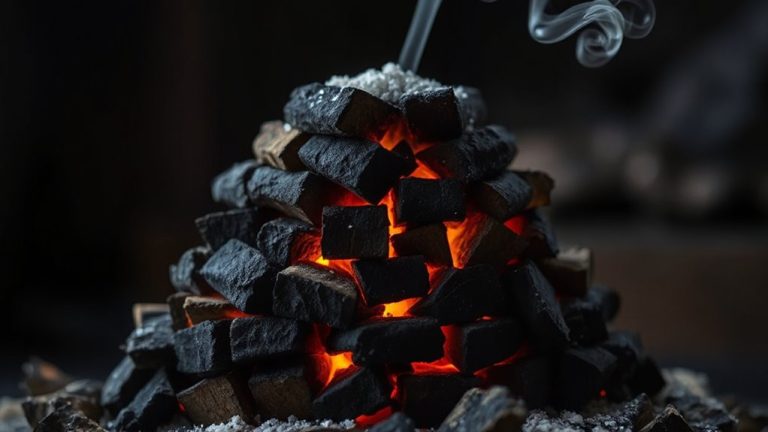
Red oak isn’t just a fuel choice-it’s a defining element in the character of Santa Maria–style tri-tip. You get a clean, steady burn that delivers moderate smoke intensity, perfect for enhancing beef without overwhelming it. Unlike fruitwoods or hickory, red oak imparts a subtle earthiness that complements the meat’s natural flavor. Plus, sustainable wood sourcing guarantees consistent quality and environmental responsibility. When you grill with locally harvested red oak, you’re not just cooking-you’re honoring tradition with every sear. For those seeking the best wood for smoking, best smoking wood picks offer guidance on selecting premium, flavor-enhancing options.
How Salt, Pepper, and Garlic Let Beef Shine
While some rubs rely on a dozen ingredients to mask the meat’s natural qualities, Santa Maria–style seasoning leans on simplicity, and that’s where salt, pepper, and garlic really earn their place. You’re not overpowering the tri-tip-you’re enhancing it. Salt draws out the meat’s inherent savoriness while helping form a crisp outer layer that complements the beef texture. Freshly cracked pepper adds a subtle heat and complexity without dominating, letting the high-quality cut speak for itself. Garlic, used sparingly, contributes an earthy depth that rounds out the flavor balance. Together, these ingredients work in harmony, not competition. They don’t hide imperfections-they demand good meat and proper technique. When applied with care, this minimalist approach showcases the beef’s richness, making every bite taste intentional, authentic, and deeply satisfying without unnecessary clutter. This philosophy aligns with the fundamentals of choosing the best meat seasonings, where Top Meat Seasonings enhance rather than obscure the natural flavor of the beef.
The High-Heat Sear That Locks in Juiciness
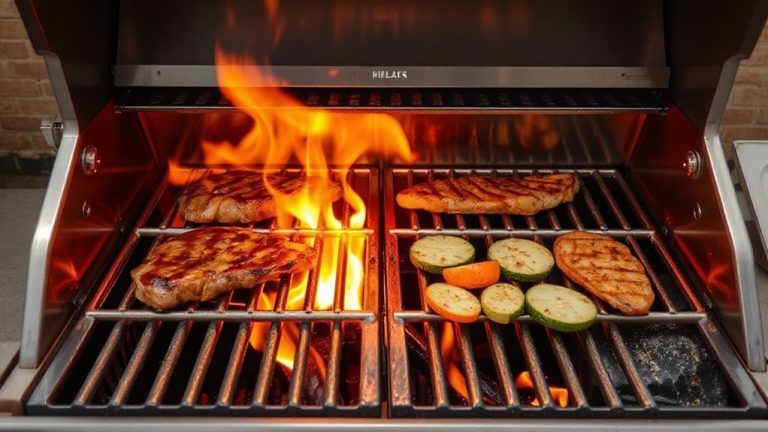
When you’re working with a premium cut like tri-tip, getting the sear right makes all the difference between a good meal and a great one. You need high, direct heat-think 500°F or more-to trigger rapid crust formation without overcooking the interior. That sear isn’t just flavor; it’s science. The Maillard reaction builds a rich, caramelized exterior while sealing in juices for ideal moisture retention. You’ll see the meat pull away from the grate slightly as the crust sets-don’t move it too soon, or you risk tearing. A well-seared tri-tip locks in natural juices, so every bite stays tender and juicy. Gas or charcoal both work, but consistent heat control is key. With minimal seasoning, that crust becomes the star-deep, smoky, and packed with beefy essence. Proper searing doesn’t mask the meat; it enhances it, turning a simple technique into the foundation of Santa Maria’s legendary flavor.
Mistakes That Ruin Traditional Flavor
You’ve nailed the sear-high heat, perfect crust, all that rich Maillard complexity-but even flawless technique can’t save a tri-tip doomed by flavor-killing missteps. The biggest culprits? Over seasoning and marinade overload, both of which bury the meat’s natural taste and charred depth. Santa Maria style relies on restraint: garlic, salt, pepper, maybe a touch of red wine. Anything more disrupts the balance. Upgrading your setup with essential pellet grill accessories can help maintain precise temperature control for authentic results.
| Mistake | Result |
|---|---|
| Over seasoning | Masks sear, numbs palate |
| Marinade overload | Soggy exterior, weak crust |
| Sugary sauces | Burnt edges, bitter notes |
| Curing too long | Tough texture, off-color |
| Acid-heavy mix | Premature breakdown |
Respect the cut. Let fire and quality beef do the talking. Simplify, and the tradition stays true.
Simple Serving That Honors the Tradition
Even if you’ve executed every step perfectly-from selecting a well-marbled cut to mastering the live-fire sear-your tri-tip’s true character only fully emerges in how you serve it. Skipping the proper resting period risks losing precious juices, leaving the meat dry despite flawless cooking. Let it sit, tented, for at least 10–15 minutes so moisture redistributes. Then, your carving technique becomes critical: always slice against the grain, cutting thin to maximize tenderness. Santa Maria style favors simplicity-no heavy sauces or garnishes-to let the sear and beef shine. A sharp knife and steady hand matter more than fancy plating. Serve it family-style on a wooden board or simple tray, maybe with grilled onions or salsa fresca on the side. The tradition honors the meat, not the frills. When you respect the resting period and use proper carving technique, you’re not just serving food-you’re continuing a legacy built on patience and craft.
On a final note
You get the best results when you let quality beef and fire do the work. Santa Maria tri-tip relies on red oak’s steady heat to create a deep sear that locks in juices, while minimal seasoning-just salt, pepper, and garlic-keeps the focus on flavor. Overcomplicating it with marinades or sugary rubs can mask the meat’s natural taste. Grilling over high, direct heat requires attention, but delivers unmatched texture. It’s effective, straightforward, and honors tradition.