Unwrapping and Re-Exposing Meat to Smoke for Final Bark Reinforcement
You unwrap your meat between 150°F and 170°F, just as the stall breaks, to re-expose it to smoke and rebuild bark. The dry surface attracts smoke better, deepening flavor and texture. Use clean-burning wood and maintain thin, blue smoke at 225°F–250°F for ideal results. Avoid wet foil and over-spritzing, which hinder crust formation. Finish with a hot blast to crisp the bark-this enhances contrast and locks in quality, and there’s more to mastering the timing and technique.
Notable Insights
- Unwrap meat at 150°F–170°F to re-expose it to smoke and rebuild bark after the stall.
- Allow the surface to dry and become tacky, enhancing smoke absorption and bark formation.
- Use clean, thin blue smoke from woods like hickory or cherry for optimal flavor during re-exposure.
- Avoid spritzing after unwrapping to prevent moisture from blocking smoke and softening the bark.
- Apply a final burst of high heat (400°F–500°F) to crisp the bark and deepen flavor before serving.
Why Unwrap for Better Bark
While wrapping meat during smoking helps retain moisture and speed up cooking, you’ll want to unwrap it during the final stages if you’re after a richer, more robust bark. Removing the wrap allows surface drying, a critical step in developing that desirable crisp texture. When the meat is re-exposed to the smoker’s heat and airflow, excess moisture evaporates, letting the exterior firm up and darken. This drying phase also restarts smoke penetration, deepening flavor where the wrap had previously blocked it. Though wrapping prevents stalling, leaving it on too long can create a soggy surface, undermining bark formation. For best results, unwrap once the internal temperature is safely rising through the critical zone. You’ll notice improved color, texture, and smoke ring development. It’s a calculated trade: sacrificing some juice retention for bark quality. In practice, this step separates passable barbecue from exceptional.
When to Unwrap for Maximum Effect
How do you know when the moment’s right to unwrap your meat for that ideal bark? It comes down to timing temperature and your unwrapping strategy. Most pitmasters agree you should unwrap when the internal temperature hits between 150°F and 170°F-just after the stall begins to end. At this point, the collagen’s breaking down, but the exterior’s still soft. Unwrapping too early wastes time; too late risks a soggy bark. Your unwrapping strategy must balance moisture retention with crust development. If you’re using a tight wrap like foil, unwrapping around 160°F gives the surface time to dry and reabsorb smoke. Butcher paper users can wait slightly longer, as it breathes more. Monitor closely-ambient temperature, meat thickness, and smoker consistency all affect timing. Done right, this step locks in texture and deepens flavor, turning good barbecue into exceptional.
How to Let the Meat Catch More Smoke
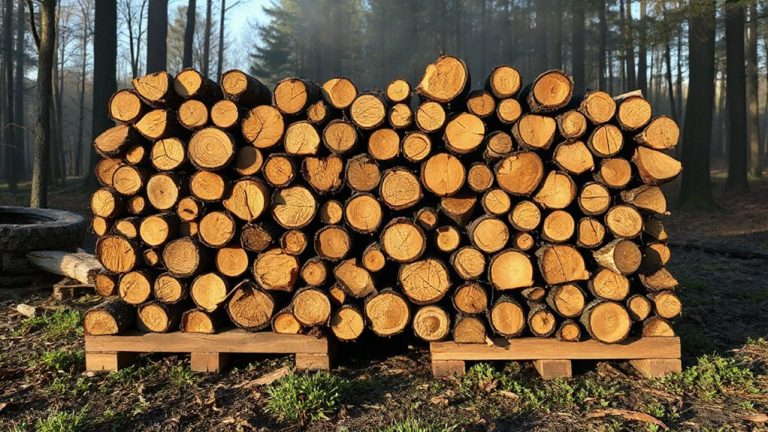
Once you’ve unwrapped your meat at the right moment, exposing it to the open air lets the surface dry out just enough to become a smoke magnet, so don’t rush this phase. You want that outer layer tacky and responsive, primed for maximum smoke infusion. Keep your fire steady with clean-burning wood-cherry or hickory works well-maintaining a thin, blue-tinted smoke rather than thick billows, which can bitter the taste. Position the meat so airflow surrounds it evenly, allowing consistent contact with the smoke. The last 45 to 60 minutes are vital for flavor enhancement, deepening complexity without overwhelming the meat’s natural taste. Temperatures between 225°F and 250°F give ideal conditions for smoke absorption and bark formation. Avoid spritzing too often, since moisture can block smoke attachment. This stage isn’t just about color-it’s when subtle layers of smoke chemistry bind to the surface, creating a rich, savory finish that defines great barbecue. For optimal results, choose wood that complements your meat’s flavor profile, such as a well-balanced best smoking wood option like hickory or cherry.
Avoid These Bark-Killing Mistakes
You’ve spent hours building up that perfect bark, letting the meat catch clean smoke and develop deep flavor, but one misstep in the final stretch can undo all that work. Overcooking meat is one of the quickest ways to ruin your bark-leaving it on too long causes it to dry out, crack, or even char, losing both texture and taste. You want tenderness, not disintegration. Equally damaging is using wet wraps during the stall; while foil or butcher paper helps retain moisture, a soaking-wet wrap steams the surface, softening your hard-earned bark instead of setting it. Many pitmasters favor dry butcher paper for this reason-it allows slight breathability while protecting the meat. Don’t sacrifice bark integrity for speed. Timing matters: pull the meat when internal temps near target, not long after. Avoid these common errors, and your bark stays crisp, spiced, and smoke-kissed-just how it should be.
Finish Right: Crisp Up the Bark
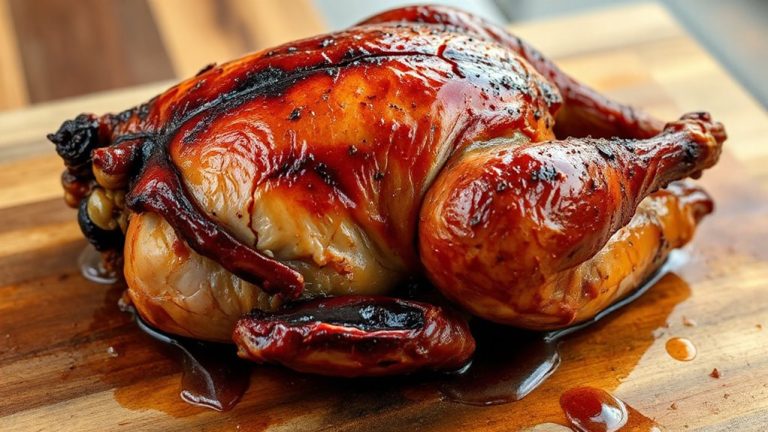
Though the bark may seem fully formed once the meat exits the smoker, exposing it to a final burst of direct heat can deepen both texture and flavor in ways indirect smoking alone can’t achieve. You’ve spent hours building a robust crust through smoke and seasoning, but finishing over high direct heat accelerates surface browning, enhancing complexity. This step isn’t just cosmetic-it drives off residual moisture, locking in a crisp texture that absorbs sauces and stands up to slicing. Whether you’re using a grill, broiler, or searing torch, aim for 400–500°F for 5–10 minutes, watching closely to avoid burning. The Maillard reaction intensifies, creating deeper color and richer taste. Skipping this risks a leathery or damp bark, undercutting your effort. A well-crisped exterior contrasts beautifully with the tender interior, completing the sensory balance great barbecue demands. Done right, it’s the final polish your smoked meat deserves.
On a final note
You’ve wrapped to tenderize, now unwrap to transform. Exposing the meat late lets it catch fresh smoke and rebuild a resilient bark. Timing matters-too early and you dry it out, too late and the crust won’t set. Crisp it over indirect heat, monitoring texture closely. This final stage refines flavor and structure, balancing moisture with crunch. Done right, the bark becomes rich, complex, and deeply smoky-proof that patience and precision elevate barbecue from good to exceptional.