How to Clean and Pack Away a Camp Kitchen Without Leaving Residue
Clean your camp kitchen right after cooking to prevent food residue from damaging gear. Scrape off debris with a silicone scraper, then wipe down surfaces with camp-safe soap and minimal water. Dry everything thoroughly-dampness invites mold. Store utensils and cookware separately to avoid scratches and trapped moisture. Seal food in airtight, critter-proof containers away from camp. Proper cleanup now saves gear and future meals-see what else smart habits can protect.
Notable Insights
- Clean gear immediately after use to prevent residue buildup that can cause pitting or staining.
- Scrape off food with a silicone scraper and use minimal water with camp-safe soap to degrease surfaces.
- Dry all items thoroughly with a towel and air-dry in sunlight to prevent mold and musty odors.
- Store utensils and cookware separately to avoid scratches and trap moisture between items.
- Seal food in airtight, critter-proof containers and inspect gear for damage before packing away.
Clean Camp Kitchen Gear Immediately After Use
While you might be tempted to leave your camp kitchen gear piled until you get home, cleaning it right after use saves time and prevents long-term damage, especially when cooking with fatty or acidic foods that stick and corrode. Residue builds up quickly, leading to pitting in metal surfaces or stubborn stains on plastic. You’ll find a simple rinse with an eco friendly soap cuts through grease without harming nearby vegetation or water sources-critical if you’re near streams or alpine zones. After scrubbing, allow items to air dry using sunlight drying, which naturally disinfects surfaces while reducing moisture-related mold. UV exposure helps eliminate bacteria that damp shade encourages, especially in cloth-based items like dish towels. Immediate cleanup also lets you inspect gear for wear, from scratched nonstick coatings to frayed utensil handles. This routine not only prolongs equipment life but guarantees reliability on future trips, where replacement parts aren’t an option.
Scrape and Degrease With Little Water
You’ve already wiped down your gear and given it a proper rinse, but some residue still clings to pots and pans-especially after cooking greasy breakfast meats or tomato-heavy stews. In low-water conditions, you’ll need effective scraping and degreasing methods that won’t scar your cookware or leave harmful residues. Use a silicone scraper or a folded piece of cardboard as sponge alternatives-they’re lightweight, reusable, and gentle on nonstick surfaces. Apply a few drops of camp-safe soap directly to cut through grease before wiping with biodegradable wipes, which lift oils and food particles without requiring rinsing. These wipes break down naturally and reduce wastewater, making them ideal for backcountry ethics. While not a full substitute for washing, they’re reliable for spot cleaning. Combined with minimal water and elbow grease, this method maintains hygiene while conserving resources-critical on extended trips where water is scarce.
Dry All Items Completely Before Storing
Because dampness invites mold, corrosion, and lingering odors, drying your camp kitchen gear thoroughly before storage isn’t just advisable-it’s essential for longevity and hygiene. You’ll want to prioritize moisture prevention to protect both performance and cleanliness. After washing, immediately towel-dry metal cookware and utensils to minimize water spots and potential rust. Then, allow items to undergo air drying for at least 10–15 minutes, especially in shaded or humid conditions where evaporation slows. Nesting pots or sealing damp tools in bags traps humidity, encouraging degradation over time. Instead, leave lids off and stack components loosely to promote airflow. Synthetic materials may resist mildew better than wood or fabric, but consistent air drying guarantees no material harbors unseen moisture. In field tests, gear stored while even slightly damp develops musty smells within days. Proper drying isn’t just a final step-it’s a critical act of maintenance that preserves function, safety, and convenience on your next adventure.
Keep Utensils and Cookware in Separate Compartments
Once your gear’s completely dry, it’s smart to keep utensils and cookware in separate compartments to protect both function and cleanliness. Storing them together might seem convenient, but metal utensils can scratch nonstick surfaces, while damp spoons or tongs left in pots encourage residue and mildew. Compartmentalized storage isn’t just about caution-it boosts organizational efficiency, letting you grab what you need without unpacking everything. Think of it like a kitchen toolkit: spatulas, ladles, and peelers belong in designated slots, while pots, pans, and kettles stack securely elsewhere. Durable, divded cases or modular bins make this easy, especially in compact camp setups. Over time, this separation preserves coating integrity and prevents cross-contamination from food oils. It’s a small step that pays off in longevity and hygiene. Whether you’re car camping or hiking with essentials, compartmentalized storage streamlines your routine and reflects thoughtful preparation-key traits of any seasoned outdoor cook.
Seal Leftover Food Containers Tightly
A tightly sealed container isn’t just a convenience-it’s a critical barrier against spoilage, pests, and cross-contamination when packing away a camp kitchen. Airtight seals preserve food quality by locking in freshness and keeping out moisture and contaminants. Always check lids for warping or debris before sealing. Use container labels to mark contents and dates-this prevents guesswork later and supports safe storage practices. Durable, stackable containers with reliable closures make organization easier and reduce waste.
| Food Type | Best Container Style | Seal Check Tip |
|---|---|---|
| Soups & Stews | Rigid, with locking clips | Press center of lid-no flex |
| Dry Snacks | Flexible, roll-top | Ensure full roll and clip |
| Leftover Proteins | Glass with rubber gasket | Inspect gasket for tears |
| Condiments | Squeeze bottles | Tighten cap until resistance |
| Grains & Beans | Latch-lid plastic | Listen for audible click |
Store Everything in Critter-Proof Storage
Even if you’ve sealed every container tightly, your efforts mean little if critters can still get to your food, so choosing truly critter-proof storage is essential for any camp kitchen. For effective bear safety, use certified bear-resistant containers, especially in national parks or grizzly country-hard-sided canisters outperform bags in durability and reliability. In areas with fewer large predators, rodent prevention becomes the priority, and sturdy, airtight bins with locking lids usually suffice. Avoid soft-sided storage unless it’s specifically rated for wildlife resistance. Always store food and scented items at least 200 feet from sleeping areas, never in tents. Hanging food works in some regions, but it’s often less dependable than ground-based canisters. Proper storage not only protects your supplies but also prevents animals from becoming habituated to human food, which can be dangerous.
Wipe Down and Check Gear Before Next Adventure
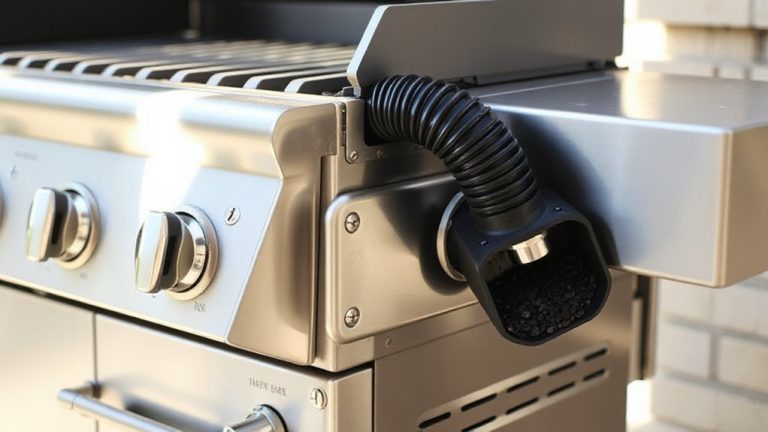
Now that your food’s safely stored and your camp kitchen’s free of attractants, turn your attention to the gear itself-cleaning and inspecting each piece guarantees it’ll perform when you’re miles from help. Wipe down every item, from burners to utensils, removing grease and moisture that can degrade materials over time. Check for cracked hoses, warped spatulas, or frayed cords-small issues now can become critical failures later. This routine isn’t just cleaning; it’s an essential part of your gear inspection process. Spotting wear early extends the life of your equipment and keeps you safe. Pair this with a regular maintenance schedule-say, every three trips or seasonally-and you’ll catch problems before they escalate. A well-maintained stove lights faster, a clean pot heats evenly, and durable tools handle stress without snapping. Smart upkeep means fewer surprises and more reliable meals in the wild.
On a final note
You’ve cooked, now don’t cut corners-cleaning right matters. Residue attracts pests and degrades gear. Scraping, degreasing with minimal water, and drying fully prevent mold and corrosion. Storing items separated and sealed keeps odors contained and utensils protected. Airtight, critter-proof containers are non-negotiable for food safety. Checking gear pre-trip guarantees longevity. This routine isn’t tedious-it’s essential performance maintenance, matching quality outdoor cooking with responsible, efficient upkeep.