Optimizing Grill-to-Sink Distance to Prevent Cross-Contamination
Keep your grill at least three feet from the sink to cut down on cross-contamination from raw meat juices. Four to six feet is even better for separating cooking, prep, and cleaning zones like professional kitchens do. This spacing reduces pathogen spread and improves workflow. Use stainless steel surfaces nearby, store raw meats properly, and avoid reusing marinades. You’ll also want dedicated utensils and smart lighting. There’s more to learn about upgrading your setup for safer, smoother outdoor cooking.
Notable Insights
- Maintain at least three feet between grill and sink to minimize cross-contamination from raw meat juices.
- Aim for four to six feet of separation to enhance both food safety and workflow efficiency.
- Position the grill downwind and away from the sink to prevent grease and pathogens from reaching clean areas.
- Use separate, labeled utensils and containers for raw and cooked foods to avoid cross-contact near the sink.
- Design a functional triangle layout with the grill, sink, and fridge to support safe, efficient outdoor food handling.
Why Does Grill-to-Sink Distance Matter for Food Safety?
Why risk a case of food poisoning just to save a few steps? You’re grilling outdoors, where convenience shouldn’t compromise safety. Proper spacing between your grill and sink isn’t just about kitchen flow-it’s a critical part of effective hygiene zones. When raw meat juices splash near cooking surfaces or utensils, pathogens can spread fast without adequate separation. You need at least three feet between prep, cooking, and cleaning areas to minimize cross-contamination. This layout supports workflow while enforcing clear hygiene zones: one for handling raw ingredients, another for cooking, and a designated cleaning station. Without proper spacing, tools and hands transfer bacteria before you even realize it. Designing your setup with these zones in mind doesn’t just follow food safety guidelines-it shows you take outdoor cooking seriously. Smart spacing means safer meals.
How Far Should Your Grill Be From the Sink?
A well-planned outdoor kitchen hinges on smart spacing, and when it comes to your grill and sink, three feet is the minimum distance you should consider. Proper grill placement reduces the risk of cross-contamination, especially when handling raw meats near food prep areas. While three feet is the baseline, four to six feet offers better workflow and safety, giving you room to manage utensils and platters without crowding. Close sink proximity may seem convenient, but it increases the chance of grease or pathogens transferring to clean surfaces. Industry guidelines and food service standards support this separation to maintain hygiene. Your outdoor setup should balance efficiency with safety-don’t sacrifice one for the other. Thoughtful spacing improves both performance and cleanliness, making grill placement not just about convenience, but about long-term usability and food safety in everyday BBQ routines.
How to Set Up a Safe Grilling and Prep Layout
While you’re mapping out your outdoor kitchen, keeping safety and efficiency in mind will shape a layout that works as hard as you do on game day. Proper grill placement guarantees at least three feet of clearance from combust combustible materials while allowing space for heat dissipation and movement. Position your grill downwind to avoid smoke interference but close enough to the house for access-without compromising safety. Your prep station design should sit adjacent to the grill, forming a functional triangle with the sink, fridge, and cooking area. Use durable, non-porous materials like stainless steel or stone for countertops to resist bacteria and weather. Include covered storage nearby to keep tools and clean plates protected. A well-thought-out prep station design reduces unnecessary steps and contamination risks. Together, smart grill placement and efficient prep station design create a seamless, safe flow for every cookout.
How to Handle Raw Meat Without Spreading Germs
You’ve positioned your grill safely downwind with ample clearance, and your prep station is set up for efficiency-now it’s time to tackle one of the most common risks in outdoor cooking: cross-contamination from raw meat. Proper meat storage is essential: keep raw meats sealed and refrigerated until ready to cook, ideally on the bottom shelf to prevent drips. Use separate, labeled containers for different types of meat to avoid mix-ups. Never place cooked food on a plate that held raw meat. Utensil sharing is another major hazard-dedicate specific tongs and spatulas for raw meat and others for cooked items. If using a single set, wash thoroughly between uses, though this isn’t always practical outdoors. A two-sink system or a well-placed water jug can help, but prevention starts with mindful separation. Good habits here reduce risk markedly, making your barbecue safer and more enjoyable for everyone.
Grilling Mistakes That Cause Cross-Contamination
One of the most frequent yet preventable errors in outdoor cooking is reusing marinades that have contacted raw meat without proper treatment-once that liquid touches chicken, beef, or pork, it’s no longer just flavor, it’s a potential vector for pathogens. You might think saving that flavorful liquid enhances your dish, but without boiling it for at least one minute, you’re risking serious cross-contamination. That’s where marinade safety becomes critical. Similarly, improper utensil storage amplifies the danger-placing cooked meat on a plate that held raw meat, or using the same tongs without washing, transfers harmful bacteria directly to your food. You wouldn’t skip handwashing, so don’t overlook tool hygiene. Keep a dedicated set of grilling tools for raw and cooked items, and store them separately to avoid accidental contact. Smart organization isn’t just convenient-it’s a frontline defense in safe grilling.
Simple Upgrades for a Cleaner, Safer Cookout
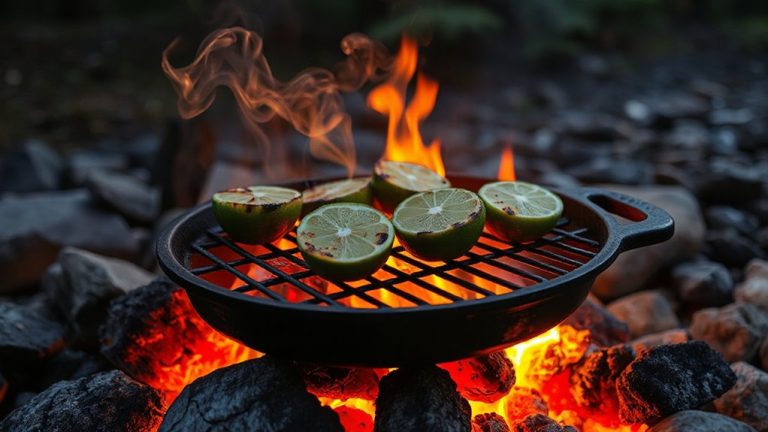
Keeping your grilling tools organized isn’t just about convenience-it’s a proven way to reduce the risk of spreading bacteria, and once you’ve nailed safe handling, you can focus on simple upgrades that make your cookout cleaner and safer overall. Regular grill maintenance, like cleaning grates after use and checking burners for clogs, prevents flare-ups and guarantees even cooking. A well-maintained grill also minimizes smoke buildup, which can carry contaminants. Adding outdoor lighting improves visibility, especially for evening cookouts, reducing the chance of cross-contamination from mishandling food in the dark. LED task lighting under awnings or built into grill covers provides bright, shadow-reducing illumination. These upgrades aren’t flashy, but they’re effective-better hygiene and safer food prep hinge on practical improvements. When you combine smart lighting with consistent maintenance, your outdoor kitchen becomes more efficient and markedly safer. For added flexibility on the go, consider a best portable griddle to maintain separation between raw and cooked foods while cooking outdoors.
On a final note
You’ll reduce cross-contamination risks by keeping your grill at least 6 feet from the sink, ensuring separate zones for raw and cooked foods. Handling meat with clean tools and washing hands frequently improves safety. A well-organized layout, combined with regular cleaning, enhances performance and minimizes germ spread. Simple upgrades like labeled trays and hands-free water access make a measurable difference. Outdoor cooking demands attention to detail-your setup directly affects food safety and meal quality.