Using a Campfire to Char Limes for Authentic Outdoor Salsa
You get a richer, more authentic salsa when you char limes over a campfire. The radiant heat from embers caramelizes natural sugars and tames acidity, giving the juice a smoky brightness that bottled or raw lime can’t match. Thick-skinned, firm limes hold up best, developing deep flavor without burning. Once cooled slightly, roll and cut them crosswise for maximum juice with less bitterness. You’ll notice the difference in complexity right away-and see how it elevates everything that follows.
Notable Insights
- Char limes over hot embers, not flames, for even, smoky flavor without burning.
- Use firm, medium to large limes with smooth, deep green skin for best charring results.
- Rotate limes every few minutes with tongs to achieve a dark, not blackened, char.
- Thicker-skinned limes hold up better to campfire heat and yield more juice.
- Let charred limes cool slightly before juicing to enhance flavor and reduce bitterness.
Why Charred Limes Make Better Salsa
Charred limes bring a subtle depth that raw citrus just can’t match. When you char limes over an open flame, their natural sugars caramelize, enhancing the citrus depth and introducing a smoky aroma that infuses your salsa with complexity. You’ll notice how the brief exposure to high heat softens acidity, creating a more balanced flavor profile. The smoky aroma isn’t overpowering-it lingers in the background, complementing grilled vegetables or smoked chiles. This technique works especially well in outdoor cooking, where open flames and natural fuel sources enhance the char without boiling off volatile oils. Unlike broiling, campfire charring adds nuanced earthiness. You’re not just adding heat; you’re deepening the foundation of the dish. For authentic outdoor salsa, the charred lime’s enriched juice integrates seamlessly, delivering rounded brightness with a hint of fire-something store-bought or raw versions rarely achieve.
How to Pick the Best Limes for Charring
When selecting limes for charring, size and feel matter more than color. You want medium to large limes that are firm but yield slightly under pressure-this signals juiciness and peak ripeness. Avoid overly soft or lightweight ones, as they often indicate dryness or poor lime quality. Look for smooth, glossy skin; deep green hues are fine, but avoid dull or wrinkled surfaces. Thicker-skinned limes tend to hold up better under direct heat, giving you more room for error. Since you’ll be relying on heat control later, starting with consistent, high-quality fruit guarantees even charring and balanced flavor. Uniform size also helps, reducing the need for constant rotation or adjustment. Freshness impacts both taste and performance-older limes char unevenly and may lack zest. Picking the right limes now sets the foundation for rich, smoky depth in your outdoor salsa.
How to Char Limes Over a Campfire
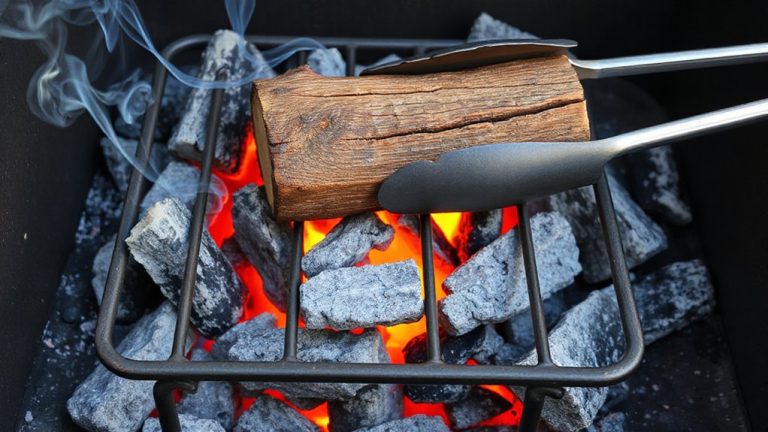
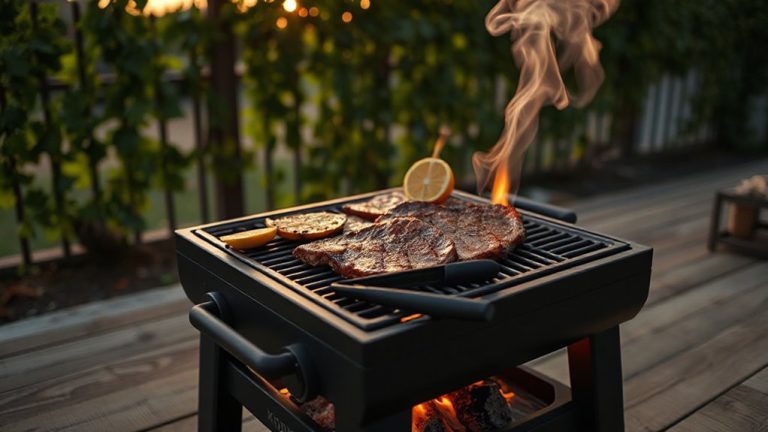
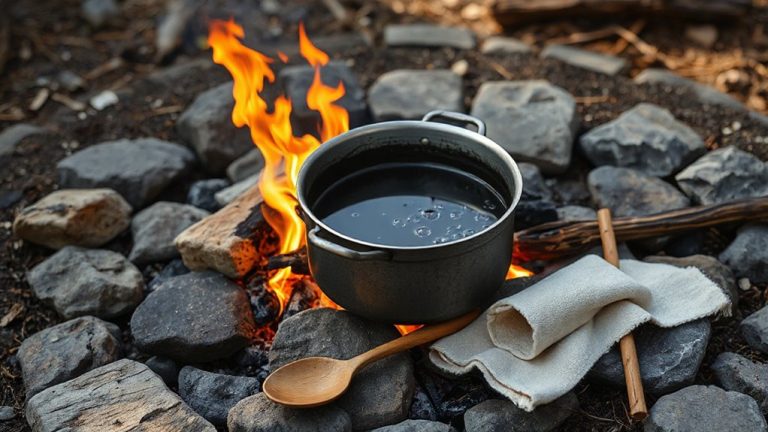
You’ll want to wait until your campfire has burned down to hot embers with steady radiant heat, not raging flames, because direct flame tends to scorch the outside while leaving the inside raw. Proper fire placement is essential-position the limes directly on the grill grate over the embers, not in the flames, allowing gradual caramelization without bitterness. Turn them every few minutes with tongs for even charring. Your earlier lime selection matters here; thicker-skinned limes handle heat better and resist burning. Look for firm, heavy fruit with deep green color-they char more evenly and hold juice longer. Smaller or softer limes may burst or cook too quickly. The char should be dark but not blackened, penetrating just enough to deepen flavor. This method outperforms stovetop charring outdoors, offering greater heat control and authentic smokiness. With the right fire placement and quality limes, you achieve balanced texture and complexity essential for standout salsa.
How Charred Limes Change Salsa’s Flavor
That smoky kiss from charred limes doesn’t just add depth-it transforms your salsa into something far more complex than what raw citrus can deliver. You’re not just adding acid; you’re introducing smoky acidity that weaves through tomatoes and chiles, enhancing without overpowering. The heat from the campfire breaks down the lime’s natural sugars, creating a caramelized brightness that balances heat and tang in a way raw juice never could. This subtle sweetness rounds out sharp edges, giving your salsa a fuller, more nuanced profile. Unlike bottled lime juice, charred limes contribute texture to flavor-each squeeze carries traces of fire and patience. You’ll notice the difference immediately: a deeper aroma, a longer finish, a warmth that complements grilled meats or charred vegetables. It’s not just about taste; it’s about how fire alters chemistry to elevate an entire dish.
Juicing Tips for Charred Campfire Limes
Why does juice from campfire-charred limes taste so much richer than juice from raw ones? The heat intensity of the flames breaks down cell walls, making the juice flow easier while deepening the flavor. Once charred, let the limes cool slightly-this helps stabilize juice consistency and prevents bitterness from burned flesh. Roll each lime firmly on the counter before cutting and squeezing; this step maximizes extraction. Cut them in half crosswise for better grip and more efficient juicing. Use a reamer or fork to press out every drop-charred limes often yield slightly less volume, but the concentrate flavor is worth it. Avoid excessive squeezing of the pith, as it can make the juice cloudy and bitter. The result? A smoother, fuller juice consistency with smoky depth, ideal for balancing bold outdoor dishes. Trust the process-it’s proven over countless fires.
Use Charred Limes in Tacos, Drinks & More
While the smoky tang of charred limes might seem best suited for salsas, their versatility extends firmly into tacos, drinks, and a range of grilled dishes where depth and brightness must coexist. You’ll find that a squeeze of charred lime over carne asada tacos enhances the taco pairing dramatically-its bitter-charred notes cut through rich fats while amplifying herbal and spicy elements. This isn’t just flavor; it’s balance, achieved through careful fire exposure. For drink infusion, try muddling charred lime wedges into margaritas or smoky mezcal cocktails; the result is a layered complexity that raw citrus can’t match. The char subtly reshapes the lime’s acidity, lending a roasted dimension ideal for adult beverages served outdoors. Whether drizzled over grilled fish or folded into a rice bowl, charred lime introduces a nuanced profile that elevates everyday meals. It’s a small technique, but when executed well, it defines the essence of thoughtful outdoor cooking-simple inputs, profound impact.
On a final note
You’ll notice charred limes add a smoky depth that raw limes can’t match, elevating your salsa from simple to complex. The campfire imparts subtle, toasted notes, enhancing aroma and flavor balance. When charred properly, the juice remains bright but gains nuance, integrating well with onions, chilies, and cilantro. This technique works reliably and adds authenticity to outdoor cooking, making it a worthwhile step for flavorful, campfire-enhanced dishes.