Campfire Foil Pack Recipes: One-Pan Meals for Hikers and Campers
You’ll want heavy-duty foil, at least 18 inches long, to build sturdy campfire packets that won’t tear. Layer dense veggies like potatoes first, add proteins such as grilled chicken or pressed tofu, then top with delicate greens. Seal edges tightly and cook over medium heat for 20–30 minutes for even results. These one-pan meals save cleanup and keep flavors locked in-perfect for hikers. Just pack out used foil to follow Leave No Trace principles. There’s more to mastering this simple outdoor cooking method where efficiency meets deliciousness.
Notable Insights
- Use heavy-duty foil to prevent rips and securely pack ingredients for easy transport.
- Layer dense vegetables like potatoes first and delicate greens on top for even cooking.
- Pre-cook large chicken pieces to ensure thorough doneness when using medium or low heat.
- Opt for seasonal vegetables and press tofu to improve texture in plant-based foil meals.
- Pack out used foil and all waste to follow Leave No Trace principles and protect wildlife.
Building the Perfect Campfire Foil Packet
Convenience meets craftsmanship when you master the art of the camp grinding foil packet. Foil selection is critical-always use heavy-duty aluminum foil, at least 18 inches long, to prevent rips during handling and cooking. Regular foil tears too easily, risking spills and uneven heat exposure. You’ll want enough thickness to hold moisture and retain heat, ensuring food steams and sears properly. When building your packet, layer ingredients thoughtfully: denser items like potatoes go on the bottom, delicate greens on top. Packet sealing is just as essential-crimp the edges tightly, folding twice to lock in juices and block ash intrusion. A poorly sealed packet leaks flavor and invites contamination. Properly sealed, your meal cooks in its own steam, enhancing tenderness and depth. With deliberate foil selection and secure packet sealing, your campfire cooking becomes reliable, efficient, and unexpectedly refined.
Heat Settings and Cooking Times for Foil Meals
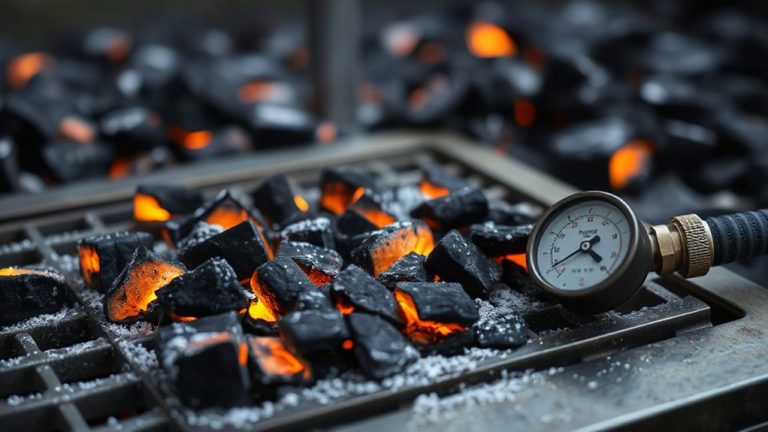
Now that you’ve nailed the structure and sealing of your foil packet, it’s time to get the heat right-because even the best-packed meal can fall flat with improper cooking conditions. Heat control is essential: too hot, and you’ll scorch the outside while the inside stays raw; too low, and your food dries out. Timing precision guarantees ingredients cook evenly without mushiness or underdoneness. For best results, use medium heat and turn packets occasionally.
| Heat Level | Cooking Time (approx.) |
|---|---|
| Low | 30–40 minutes |
| Medium | 20–30 minutes |
| Medium-High | 15–20 minutes |
| High | 10–15 minutes (risk of burning) |
| Oven (375°F) | 25–35 minutes |
Medium heat consistently delivers the best balance, letting flavors meld without sacrificing texture or moisture.
Top Proteins for Foil Pack Dinners
Protein choice makes or breaks your foil pack dinner, shaping both flavor and texture from the first bite to the last. Grilled chicken is a top pick-its firm structure holds up well over direct heat, absorbing seasonings deeply while staying juicy. You’ll want to pre-cook it slightly if using larger chunks, ensuring even doneness without drying out. It pairs reliably with bold sauces and hearty vegetables, making it a versatile staple. For plant-based options, seasoned tofu delivers impressive results when pressed and cubed properly. It soaks up marinades quickly and develops a satisfying, chewy exterior when heated through. Unlike softer proteins, both grilled chicken and seasoned tofu resist breaking apart during transport and flipping, essential when cooking on uneven campfire grates. They also minimize cleanup, releasing few drippings that could cause flare-ups. Choose either based on dietary needs-they perform equally well in flavor retention and structural integrity.
Vegan and Veggie Foil Pack Ideas
A well-packed foil dinner can transform simple vegetables into a rich, satisfying meal, and when you’re aiming for a fully plant-based option, smart ingredient choices make all the difference. You’ll want to layer seasonal vegetables like zucchini, bell peppers, mushrooms, and sweet potatoes-they hold up well over heat and absorb flavors efficiently. Toss them with olive oil, garlic, and herbs to elevate the plant based flavors without relying on dairy or animal products. Using cast iron or heavy-duty foil guarantees even heat distribution, preventing scorching during campfire cooking. Denser veggies should go in first, with softer ones added later to avoid overcooking. This method preserves texture and nutrition, delivering a balanced dish straight from the flames. With thoughtful prep, your vegan pack won’t just be an afterthought-it’ll be the highlight, offering vibrant taste and reliable performance in the wild.
Why Foil Packs Save Time and Clean-Up on the Trail
You’ve already seen how a thoughtfully assembled vegan foil pack can deliver flavor and nutrition without relying on animal products, but one of the biggest advantages goes beyond ingredients-it’s about efficiency. Fo inevitability ensures your meal stays intact over hot coals without tearing or leaking. Heavy-duty foil holds up well under direct heat, reducing the risk of mishaps. Proper pack sealing locks in moisture and flavor while preventing ash or debris from getting in. Once sealed, your meal cooks evenly with minimal attention. There’s no stirring, flipping, or monitoring-just set and forget. When you’re done, simply wrap the cooled packet and pack out the remains. No scrubbing pots or scraping burnt food off pans. This method slashes prep and cleanup time, freeing you to enjoy the trail more. Foil packs work because they combine simplicity with reliable performance, making them ideal for fast, low-effort outdoor meals.
How to Leave No Trace After Foil Cooking
After cooking over the fire, the way you dispose of your foil packs determines whether your campsite stays pristine or becomes another eyesore. Proper waste disposal is critical-never leave foil in the fire ring or scatter it. Instead, let the packs cool completely, then seal used foil in a ziplock bag to pack out with your garbage. Foil doesn’t decompose and can harm wildlife if ingested, increasing your trip’s environmental impact. Even “clean” foil with food residue attracts animals and disrupts natural behaviors. Burning foil doesn’t erase it; it just spreads micro-contaminants into soil and air. Always follow Leave No Trace principles: carry out all non-compostable waste, including foil. Planning ahead minimizes mess and streamlines cleanup. Responsible waste disposal isn’t just practical-it’s an ethical obligation. Your choices directly affect how future hikers experience the wild. Treat the outdoors with respect, and it’ll keep offering unforgettable meals under the stars.
On a final note
You’ll find campfire foil packs efficient and reliable for outdoor cooking-minimal gear, maximum flavor. They trap heat evenly, reduce cleanup, and adapt well to varied diets. While direct flame demands attention, proper sealing and timing yield consistent results. Lightweight and no-waste, they align with Leave No Trace principles when managed responsibly. For hikers and campers, these one-pan meals offer practical nutrition without sacrificing performance.