The Role of Habanero Powder in Caribbean-Inspired Jerk Seasoning for Grilling
You use habanero powder in Caribbean-inspired jerk seasoning to deliver intense heat-100,000+ Scoville units-with a fruity, smoky depth that fresh peppers often can’t sustain. It blends well with allspice, thyme, and pineapple juice, balancing fire and flavor. While not as bright as fresh Scotch bonnets, it offers consistency and shelf stability. Applied in moderation, it enhances without overpowering. You’ll find how to master its heat and harmony in the next steps.
Notable Insights
- Habanero powder delivers intense heat and fruity, citrusy notes essential to Caribbean-inspired jerk seasoning.
- It provides a concentrated, shelf-stable alternative to fresh chilies with consistent Scoville heat levels.
- The powder enhances smoky depth when combined with allspice and pimento wood grilling techniques.
- Use 1/2 to 1 teaspoon of powder per chopped pepper to avoid overpowering other spices.
- Balances with pineapple juice and aromatic spices to create a complex, well-rounded jerk marinade.
What Jerk Seasoning Is (And Why Habanero Matters)
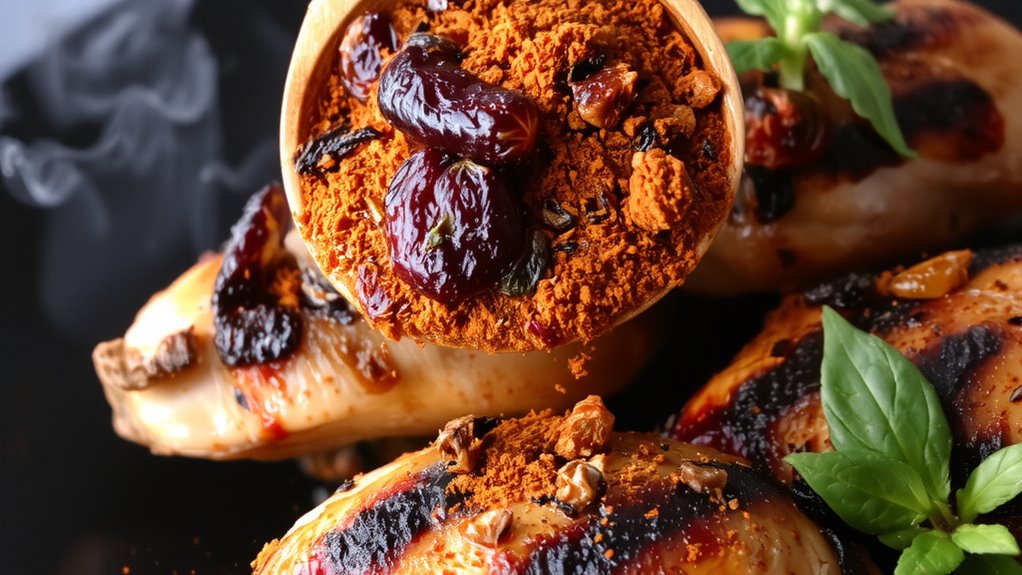
Heat-sharp, sudden, and lingering-is at the soul of jerk seasoning, a bold Jamaican spice blend born from the 17th-century cooking traditions of the Maroons. You can’t talk about Caribbean Jerk without acknowledging how habanero peppers and Scotch bonnet peppers shape its fire. While Scotch bonnets are traditional in Jamaica, habanero peppers are now widely used globally, offering similar heat and depth. Paired with warm, aromatic allspice berries, they anchor the blend’s complexity. Even in small amounts-just 1/4 to 1/2 pepper-habaneros drastically influence the flavor and burn of jerk seasoning. Their high Scoville rating (100,000–350,000 units) delivers the intense kick essential to authentic preparations. When you’re grilling, that heat not only sears the surface but penetrates deep, enhancing smokiness. Habaneros don’t just bring fire; they guarantee the seasoning performs consistently, making them indispensable in Caribbean-inspired jerk outside the islands.
Why Habanero’s Fruity Heat Defines Caribbean Jerk
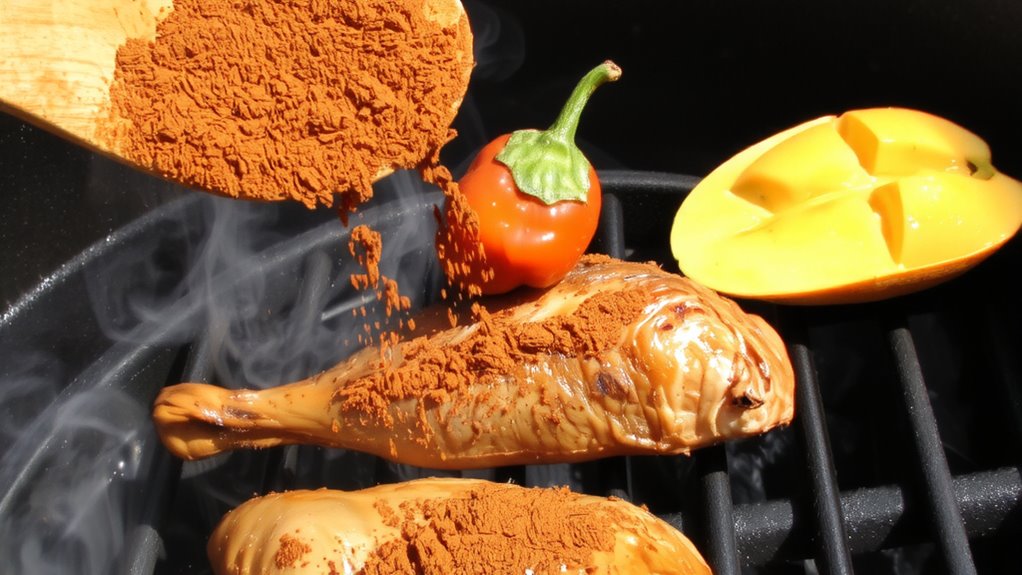
You’re already familiar with how jerk seasoning relies on potent chili heat, and while Scotch bonnets hold tradition in Jamaica, it’s the habanero’s vibrant fruitiness that shapes the character of Caribbean jerk outside the islands. The fruity heat of habaneros-bright, citrusy, and subtly sweet-complements tropical elements like pineapple juice and allspice, enriching the overall spice blend. When dried into habanero powder, that aromatic fire becomes concentrated and smoky, perfect for dry rubs in grilled dishes. This form offers consistency and shelf stability, making it ideal for outdoor cooking. Modern Caribbean jerk seasoning often leans on habanero powder for both accessibility and controlled heat. It balances beautifully with warm spices like cinnamon, nutmeg, and thyme, creating a layered, complex flavor. That’s why, in both homemade and commercial jerk blends, habanero’s fruit-forward burn doesn’t just add spice-it defines the soul of the dish.
Habanero Vs. Substitutes In Authentic Jerk Seasoning
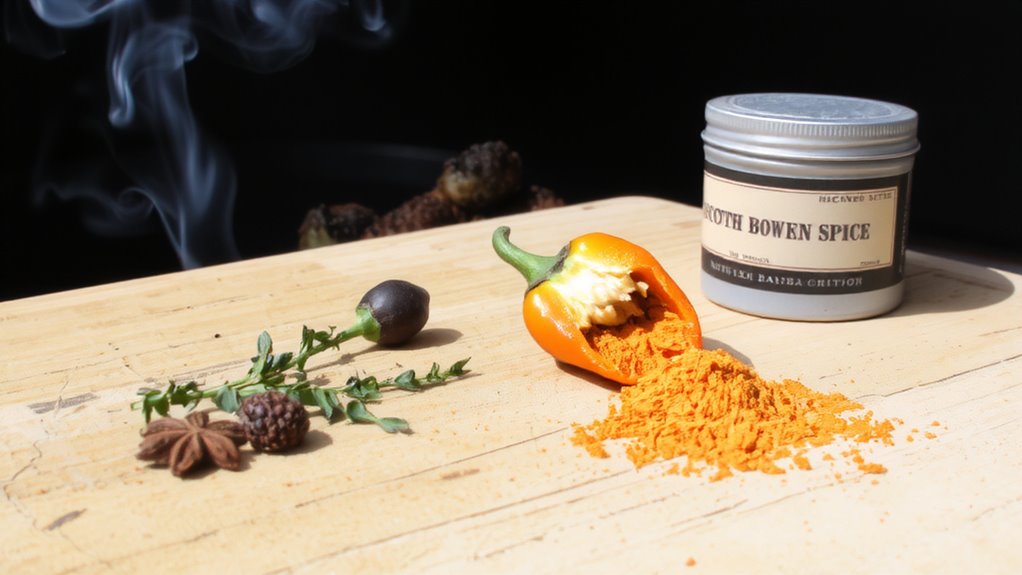
While authentic Jamaican jerk seasoning calls for fresh Scotch bonnet peppers to achieve its signature balance of fire and fruit, many outside the Caribbean turn to habanero powder as a practical substitute. You’ll find habanero powder delivers intense heat but lacks the bright, floral notes of fresh Scotch bonnet peppers, subtly altering the depth of authentic jerk seasoning. In traditional jerk cooking, freshly ground peppers preserve the aromatic complexity that dried powders can’t fully replicate. Though habanero powder offers shelf stability and consistent heat-ideal for commercial blends-it concentrates flavor, so you’ll need just 1/2 to 1 teaspoon to replace one chopped pepper. This potency risks overwhelming the array of spices like allspice, thyme, and scallion that define the blend. For true authenticity, fresh Scotch bonnets are unmatched, but habanero powder remains a viable, accessible option when used thoughtfully.
Balancing Jerk Marinade: Heat, Smoke, and Sweetness
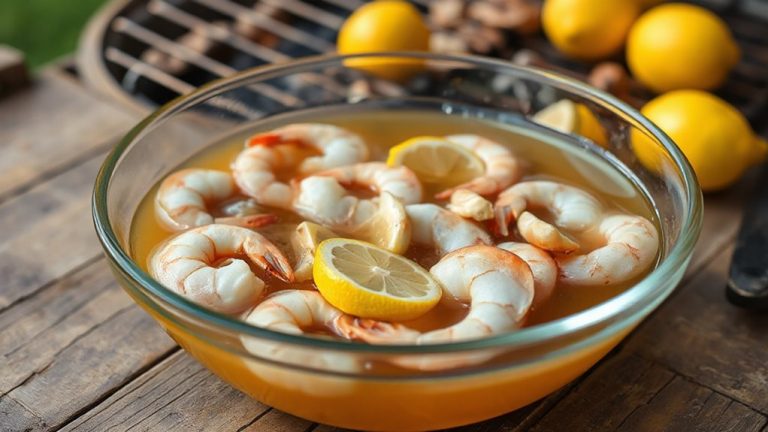
When crafting a well-balanced jerk marinade, managing the intensity of habanero powder is essential, as its heat-ranging from 100,000 to 350,000 Scoville units-can easily dominate if not properly tempered. You’ll want to balance that punch with sweet and smoky layers. Pineapple juice adds tropical sweetness and acidity, helping tenderize proteins while softening the spice. Allspice berries, ground fresh, bring warm, clove-like depth that defines authentic jerk seasoning. When grilled over pimento wood, the smoke enhances those earthy notes, tying the flavor profile together. Here’s how key ingredients contribute:
| Component | Role in Jerk Marinade |
|---|---|
| Habanero powder | Delivers intense, lingering heat |
| Pineapple juice | Balances heat with sweetness and acid |
| Allspice berries | Provides foundational warmth and smoke |
This balance guarantees your jerk marinade delivers complexity-not just burn.
How To Adjust Jerk Heat For Any Palate
Though heat is a hallmark of jerk seasoning, dialing in the right level of spice guarantees the bold flavors remain accessible without overwhelming the palate. If you find habanero peppers too intense, reduce the amount or remove their seeds and membranes in the mixing bowl-this can considerably tone down the fire. You can also swap fresh habanero peppers with milder options like serrano peppers or even jalapeños, keeping the authentic profile while easing the burn. For powdered heat, replace cayenne pepper with smoked chipotle powder or mild chili powder; both deliver depth with less punch. Adding sweet elements like pineapple juice or coconut sugar balances lingering heat. One user found their jerk seasoning too spicy for family tastes and now opts for deseeded Scotch bonnets-proof that personalizing heat works. With smart swaps and careful blending, your jerk seasoning can satisfy every guest, no matter their spice threshold. Choosing the right base pepper is crucial, and best peppers for hot sauce can guide your selection for optimal flavor and heat balance.
Grilling Jerk-Seasoned Meats And Veggies Perfectly
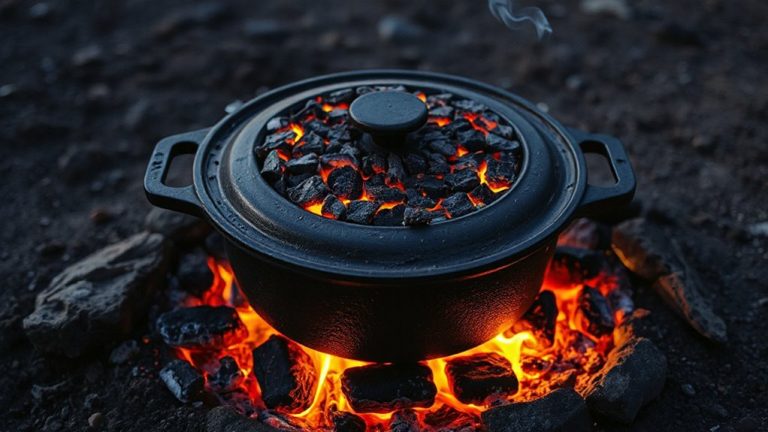
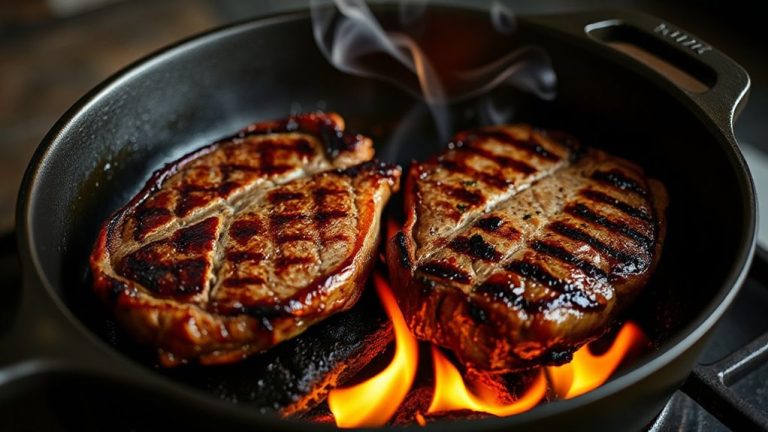
Grilling jerk-seasoned meats and vegetables to perfection hinges on heat control and attention to detail. You’ll want medium-high heat-around 450°F-for 3–5 minutes per side to get that ideal charred exterior and tender interior without burning. If you’re making Jamaican jerk chicken, marinate the drumsticks for several hours, or even overnight, to deepen the flavor, though a bold dry rub works fast when time’s short. When grilling, pimento wood is your best bet; it delivers the authentic, smoky backbone traditional to real jerk sauce. Oil both the grill grates and the food-especially vegetables like eggplant-to prevent sticking and guarantee even cooking. For indoor grilling, a well-greased cast iron skillet can mimic outdoor results, giving you solid sear and caramelization. This method delivers consistency, flavor, and authenticity every time. A well-seasoned cast iron skillet ensures superior heat retention and non-stick performance for indoor grilling.
On a final note
You’ll find habanero powder brings unmistakable heat and fruity depth to Caribbean-inspired jerk seasoning, elevating grilled meats and vegetables with authentic flavor. While substitutes can mimic spice, they lack its bright, tropical edge. When balanced with allspice, smoke, and sweetness, habanero delivers complexity essential for true jerk. Mastering its intensity guarantees bold, layered results on the grill-worth the precision for those pursuing genuine, flavorful outdoor cooking.