How Oak Smoke Provides Balanced, Medium-Intensity Flavor for All-Meat BBQ Platters
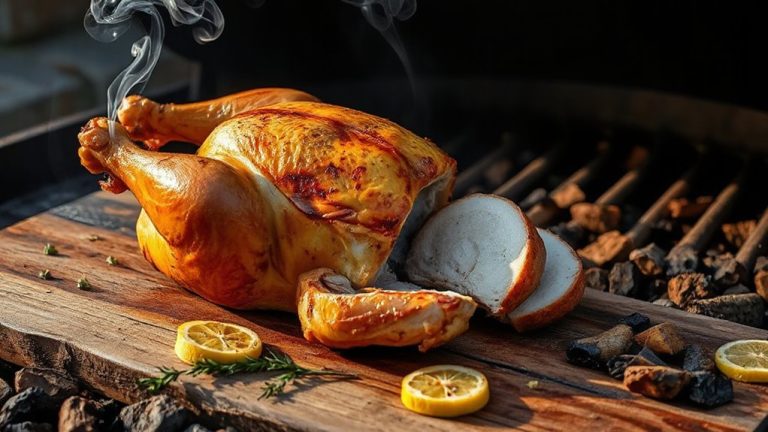
You get a clean, medium-level smoke with oak that enhances each meat without overpowering it. Its steady burn and hard density deliver consistent heat and thin blue smoke, ideal for brisket, pork shoulder, and poultry. Unlike stronger woods, oak balances flavor across varied proteins, making it perfect for mixed platters. It’s reliable in log, charcoal, or pellet form. You’ll learn how to pair it for even better results.
Notable Insights
- Oak smoke delivers medium-intensity flavor that enhances rather than overwhelms various meats on a platter.
- Its clean, consistent burn produces thin blue smoke, ideal for developing bark and smoke rings across meats.
- Oak’s hard density ensures steady heat and prolonged smoke, perfect for low-and-slow cooking of diverse proteins.
- It pairs well with pork, beef, and poultry, offering a balanced profile that unifies mixed meat platters.
- Unlike stronger woods, oak avoids bitterness, providing a versatile, predictable smoke for all-meat BBQ presentations.
Why Oak Is the Best Wood for BBQ Smoke
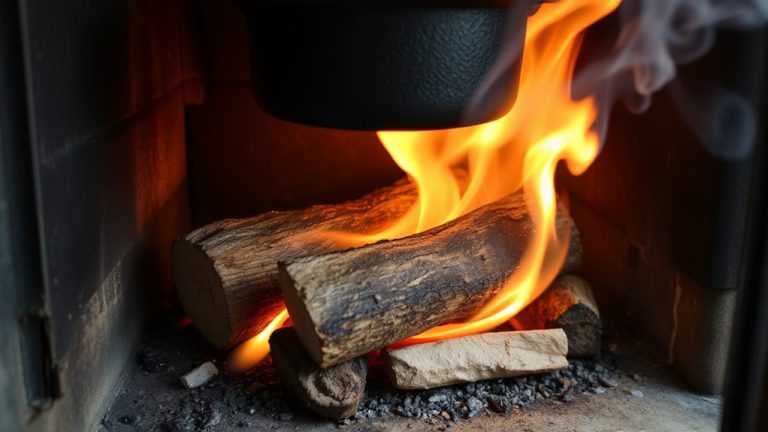
Few hardwoods deliver the balanced, reliable smoke profile that oak does when you’re slow-cooking meats over a grill or smoker. You’ll appreciate how oak pairing works across a variety of proteins without overwhelming them-unlike hickory or mesquite, which can dominate. Oak provides a medium-intensity smoke that enhances flavor rather than masking it, making it ideal for long sessions. Its smoke duration is consistent, burning evenly and needing fewer adjustments, which means less babysitting your fire. You get steady heat and clean smoke, essential for developing a proper smoke ring and deep bark. The wood’s hard density contributes to this sustained burn, ensuring your temperature stays on point. Whether you’re using red or white oak, you’re getting predictable, controllable results. For backyard pitmasters who value stability and depth, oak isn’t just practical-it’s the most dependable choice. Serving your perfectly smoked steak on the right best plates for steak ensures both presentation and heat retention complement your cooking effort.
What Meats Work Best With Oak Smoke?
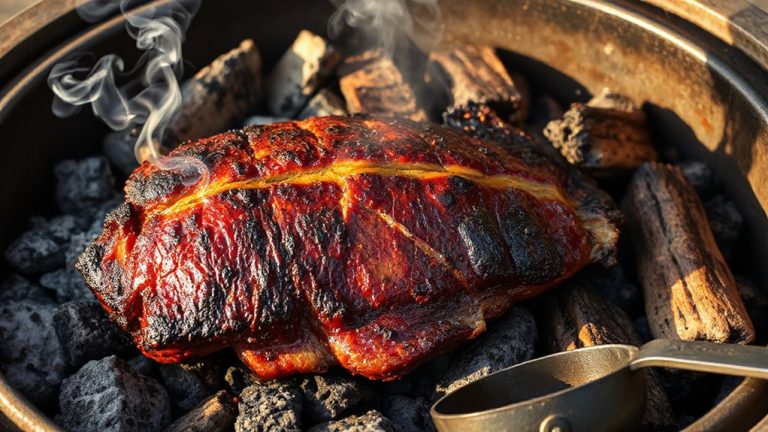
You’ve already seen how oak’s steady burn and balanced smoke make it a top choice for smoking, but what really shows off its strength is the range of meats it complements. Pork shoulder takes well to oak smoke, absorbing its medium-intensity flavor without overpowering the meat’s natural richness. The smoke penetrates deep during long cooks, enhancing the succulent, fatty layers with a clean, earthy note. Beef brisket, with its dense muscle and fat cap, benefits equally-oak’s consistent heat renders fat evenly while adding a sturdy smokiness that stands up to bold rubs and long hours in the smoker. Unlike more aggressive woods, oak won’t dominate delicate proteins, yet it’s assertive enough for larger cuts. You’ll find it especially reliable for mixed platters, delivering harmony across different meats. Whether you’re serving pulled pork or sliced brisket, oak smoke guarantees each bite tastes balanced, familiar, and deeply savory-ideal for any serious BBQ spread. For best results, choose Best Cuts of Meat for Smoking that are well-marbled and suited to low-and-slow cooking methods.
Oak vs. Hickory, Mesquite, and Other Woods
While hickory delivers a bold, bacon-like punch and mesquite can overwhelm with its intense, almost bitter edge, oak strikes a balance that makes it more versatile for everyday BBQ. You’ll find oak especially useful when you want flavor that enhances, not dominates, the meat. Unlike fruitwoods, which offer subtlety, or mesquite, which demands caution, oak provides a clean, medium-intensity smoke that works across pork, beef, and poultry. Historical preferences show oak as a staple in Texas and parts of California, where pitmasters value its consistency. These regional traditions favor oak for large-scale smoking, thanks to its steady burn and even heat. You can maintain steady temperatures longer, which is key for tender, well-smoked results. Whether split for charcoal or used as logs, oak performs reliably. It’s not flashy, but its dependability and balanced profile make it a practical cornerstone in serious smoking. For those exploring wood options, selecting the right best smoking wood can greatly influence the final taste and quality of your barbecue.
When to Choose Oak Over Other Smoking Woods
When you’re aiming for a smoke profile that complements rather than overpowers, oak’s balanced intensity makes it the go-to choice for a wide range of meats and cooking styles. You’ll want oak when smoking brisket, pork shoulder, or poultry-meats that benefit from steady, medium-bodied smoke without sharp bitterness. Unlike stronger woods like mesquite, oak builds flavor gradually, reducing the risk of acridness. If you’re using a smoker that demands consistency, an oak charcoal blend delivers reliable heat and steady smoke output, ideal for long sessions. For pellet grill users, oak pellet convenience means less prep and more precision, with clean burns and minimal ash. Oak also pairs well with fruitwoods or herbs when layering flavors, but stands strong on its own. For versatile, predictable results across different meats and setups, oak is your best all-around option.
How to Control Oak Smoke for Even Flavor
Though oak delivers a clean, medium-strength smoke ideal for long cooks, getting the flavor even and consistent hinges on controlling smoke density and airflow. You’ve got to monitor oak temperature closely-aim for 225°F to 250°F to avoid harsh notes. Too hot, and the smoke turns acrid; too cool, and you’ll get white, billowing smoke that overpowers. Maintain steady, thin blue smoke by regulating oxygen flow and wood feed. Smoke duration matters just as much: lean meats need 1–3 hours, while briskets benefit from 8–12. Patience guarantees flavor soaks in without dominating.
| Oak Temperature | Smoke Duration | Flavor Result |
|---|---|---|
| 225–250°F | 1–3 hours | Light, balanced |
| 225–250°F | 6–8 hours | Rich, even penetration |
| Above 275°F | 4+ hours | Bitter, overpowering |
Avoid These Common Oak Smoking Mistakes
Rushing the fire is the fastest way to ruin a good cut of meat. When you’re keen to get started, it’s tempting to light up green or wet wood, but that backfires fast-excess moisture creates thick, bitter smoke that clings to meat and causes over smoking. Oak should smolder steadily, not blaze unpredictably. You want clean, thin smoke, which only comes from properly seasoned wood dried for at least six months. Over smoking isn’t just about too much time; it’s often flawed fuel. Wet wood produces creosote-heavy smoke that overwhelms the palate and leaves a sharp, ashy aftertaste. Stick to dry, split oak logs or chunks with under 20% moisture. Monitor your smoke color: blue or clear means you’re on track; white or gray means adjust airflow or replace the wood. Control beats intensity-especially when balance defines great BBQ.
How to Layer Oak With Other Woods for Depth
You’ve got the right wood and you’re avoiding the pitfalls of wet or unseasoned oak, so now it’s time to build on that foundation by combining it with complementary woods for a more complex flavor profile. Oak provides a steady base, but smart wood pairing elevates your smoke game. Try blending oak with hickory for a robust, slightly sweet depth-ideal for brisket or ribs. For poultry or pork, mix in apple or cherry wood; their mild sweetness balances oak’s earthiness without overpowering. Flavor blending works best when one wood dominates-oak, in this case-while others add subtle nuance. Avoid overcrowding the smoker with too many types, which can muddy the taste. A 2:1 ratio (oak to secondary wood) maintains balance. This layered approach gives structure to your smoke, enhancing rather than masking the meat’s natural flavors.
On a final note
You’ll find oak delivers a reliable, medium-strength smoke that enhances without overwhelming, making it ideal for mixed meat platters. It burns evenly, producing consistent heat and flavor-critical for long cooks. Compared to hickory’s boldness or mesquite’s intensity, oak strikes a balanced profile. When layered subtly with fruitwoods, it adds depth. Avoid green wood or excessive chunks; they create acrid smoke. Mastering airflow and chip quantity guarantees clean results. For dependable, versatile performance, oak remains a top-tier choice among serious pitmasters.