Coat Grill Grates With Ceramic Rust-Resistant Spray (5 Coats)
You clean your grates first, removing grease and carbon with hot water and a non-abrasive brush. Then scrub with a stainless steel brush and lightly sand for better adhesion. Wipe with isopropyl alcohol before spraying a ceramic rust-resistant coating in five thin, even layers, waiting 10–15 minutes between coats. You heat-cure it at 350°F–450°F for at least 30 minutes to lock in durability. A quality ceramic spray withstands high heat and thermal cycling far better than oil, creating a long-lasting barrier against rust-especially when applied properly. There’s more to get right for lasting performance.
Notable Insights
- Remove grill grates and clean thoroughly with hot water and detergent to eliminate grease and debris.
- Scrub with a stainless steel brush and lightly sand with medium-grit paper for better coating adhesion.
- Wipe the surface with isopropyl alcohol to remove oils and dust after sanding.
- Apply five thin, even coats of ceramic spray, allowing 10–15 minutes of drying time between each coat.
- Heat-cure the coated grates at 350°F to 450°F for 30–60 minutes to achieve full polymerization and durability.
Why Your Grill Grates Rust (And How Ceramic Spray Fixes It)
Ever wonder why your grill grates keep rusting, no matter how carefully you store them? The main culprits are moisture exposure and temperature fluctuations. Even after cleaning and covering, tiny amounts of water cling to the metal, especially in humid climates or after rain. When combined with repeated heating and cooling, these conditions weaken the grate’s protective layer. Iron oxidizes quickly under such stress, forming rust that compromises both performance and food safety. You might think regular oiling solves this, but it’s often not enough over time. That’s where ceramic rust-resistant spray comes in-it bonds chemically with the metal, forming a durable, heat-stable barrier. Unlike temporary coatings, it withstands extreme temperature fluctuations and resists moisture exposure far better. The result? Longer-lasting grates, better heat retention, and fewer sticking issues. It’s not a fix-all, but it’s a smart upgrade for anyone serious about grilling.
Pick the Best Ceramic Rust-Resistant Spray for Grills
While not all ceramic rust-resistant sprays are created equal, choosing the right one can make a noticeable difference in how well your grill grates hold up over time. Look for a product with strong spray durability, meaning it withstands high heat and repeated use without chipping or breaking down. You’ll want a coating that resists thermal cycling-going from hot to cool-without cracking. Check the label for a max heat rating of at least 1,200°F to match your grill’s output. Application safety is just as important; pick a spray with low fumes and no harmful VOCs, especially since you’re working near cooking surfaces. A propellant-free formula often gives more control and reduces overspray. Opt for those designed specifically for grills, not general metal coatings. These offer better adhesion and food-safe assurance once cured. Doing so guarantees long-term protection without compromising your health or flavor.
Remove and Deep Clean Your Grill Grates
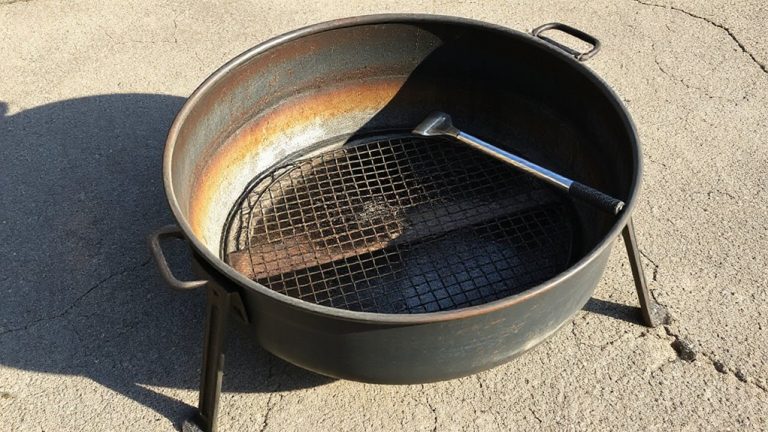
Start by taking the grates out of your grill so you can clean them thoroughly-this step’s essential because built-up grease, carbon, and food debris will undermine any protective coating you apply later. Knowing your grill grate materials-whether cast iron, stainless steel, or porcelain-coated-affects how you clean and prepare them, but all benefit from deep degreasing. Use a strong detergent and hot water to break down residue, scrubbing with a non-abrasive brush to preserve integrity. This deep clean is a foundational rust prevention method, as moisture trapped in grime accelerates oxidation. Even durable materials suffer over time without proper care, reducing longevity and cooking performance. A clean surface guarantees the ceramic-based spray adheres evenly, boosting durability and heat resistance. Skipping this step compromises the entire coating process, making it less effective and shorter-lived.
Scrub and Sand for a Smooth Coating Base
A smooth, clean surface is your best bet for ensuring the rust-resistant ());
spray bonds properly and lasts through seasons of grilling. Now that your grates are free of grease and debris, it’s time to refine the surface texture. Use a stainless steel brush to scrub away any lingering residue or roughness. Then, lightly sand with medium-grit sand Telerik to create a uniform profile-this step is essential because it directly impacts adhesion quality. A slightly abraded surface gives the ceramic coating something to grip, unlike a glossy or uneven finish that could lead to peeling. Don’t over-sand; you’re not removing metal, just preparing a consistent base. Avoid touching the grates with bare hands afterward, as skin oils can compromise the bond. Once done, wipe with a lint-free cloth dampened with isopropyl alcohol. This prep work might seem minor, but it’s the foundation of a durable, high-performance finish. For best results, use a grill brush with stiff bristles that won’t shed under high heat or leave metal fragments behind.
Spray the Ceramic Coating Evenly in Thin Layers
You’ve cleaned and prepped the grates thoroughly, so now it’s time to apply the ceramic coating that’ll shield them from rust and high-heat wear. Use a consistent application technique-hold the spray can 8–10 inches away and move in steady, overlapping passes. Avoid drips by focusing on layer thickness; thin is better. One thick coat can crack or peel under heat, but multiple light layers build resilient protection. Let each coat dry for 10–15 minutes before applying the next.
| Layer | Thickness (mil) | Visual Cue |
|---|---|---|
| 1 | 0.5 | Light sheen |
| 2 | 0.5 | Uniform color |
| 3 | 0.5 | Smooth, no gloss |
| 4 | 0.5 | Matte finish |
| 5 | 0.5 | Fully opaque surface |
Proper layering guarantees long-term performance, especially under direct flame exposure.
Heat-Cure the Coating for Maximum Durability
Once the ceramic coating has been applied in even, thin layers, it’s essential to lock in that protection through a proper heat-curing process, since air drying alone won’t activate the coating’s full durability. You’ll need to place the grates in a cold oven or on a grill set to low heat, then gradually increase the temperature to avoid thermal shock. Maintaining precise temperature control is critical-most ceramic coatings require a range between 350°F and 450°F for maximum bonding. Exceeding the suggested heat can damage the coating, while insufficient warmth leads to poor adhesion. Follow the manufacturer’s recommended curing time, typically 30 to 60 minutes, to guarantee complete polymerization. This thermal cure forms a hard, slick surface that resists rust, withstands high-heat cooking, and improves release properties. Properly cured, the coating performs noticeably better than uncured applications, especially during searing or prolonged grilling sessions.
Clean and Store Grates to Extend Coating Life
While the performance of a rust-resistant ceramic coating largely depends on proper application and curing, how you clean and store the grates afterward plays just as decisive a role in maintaining its integrity over time. After each use, allow the grates to cool slightly, then scrub them gently with a nylon brush-avoid metal bristles, which can scratch the coating. Wipe down the surface with a damp cloth and mild detergent if needed, guaranteeing all residue is removed. Regular grate inspection helps you catch early signs of chipping or wear, allowing for timely touch-ups. Store the grates in a dry place, ideally using protective storage like a sealed plastic bag or fitted cover to guard against moisture and dust. This consistent care preserves the coating’s performance, guarantees longer service life, and improves your grilling results over time. Using the right grill cleaning supplies ensures that maintenance doesn’t compromise the ceramic coating’s protective qualities.
On a final note
You’ve protected your grill grates the right way-ceramic spray resists rust far better than traditional coatings. It withstands high heat, reduces sticking, and lasts longer with proper care. While the prep demands effort, the payoff is cleaner searing and extended grate life. For frequent grillers, this upgrade makes sense. Just remember: consistent cleaning and dry storage preserve the coating. It’s a smart, lasting fix for serious outdoor cooking.