How to Grill Sausages Without Splitting or Burning the Casings
Choose quality sausages with natural casings and avoid pricking them-this keeps juices in and prevents flare-ups. Set up a two-zone heat grill, starting over indirect heat to cook through evenly, then sear over direct heat for color and crust. Use a thermometer: 160°F for pork or beef, 165°F for poultry. Let them rest briefly before serving. You’ll get better results with fresh, local sausages and careful heat management-there’s more to mastering the grill than just fire and time.
Notable Insights
- Choose sausages with natural casings and no fillers to ensure better grilling performance and a satisfying snap.
- Set up a two-zone heat grill to sear sausages over direct heat, then finish cooking over indirect heat.
- Avoid pricking sausages with a fork to prevent juice loss and casing damage during grilling.
- Use a two-stage cooking method: start over indirect heat, then sear briefly over direct flame.
- Monitor internal temperature and rest sausages after grilling to retain juices and prevent splitting.
Pick the Best Sausages for the Grill
A good sausage starts with quality meat, and that’s what you should look for when choosing sausages for the grill. Freshness matters-not just for taste, but for texture and how the sausage holds up over flame. You’ll want to check expiration dates and avoid anything with a grayish tint or off smell. When possible, opt for sausages with natural casings; they offer better casing strength, meaning they’re less likely to split during cooking. A strong casing snaps when bitten and retains juices. Avoid pre-packaged varieties with fillers or excess fat pooling-signs of lower-quality grinding. Locally made sausages often use fresher ingredients and better craftsmanship. Whether you prefer bratwurst, Italian, or chorizo, remember that what goes on the grill directly affects the outcome. Choose wisely: your heat control and technique can only do so much if the sausage itself isn’t up to the task. For spicy, well-seasoned options, consider trying best chorizo sausages that are crafted for grilling.
Set Up Two Zones for Better Heat Control
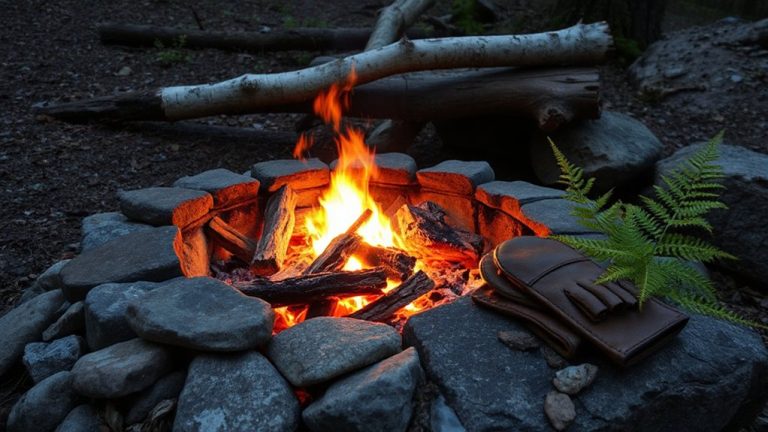
Because grilling sausages requires careful heat management, setting up two cooking zones-direct and indirect-gives you far more control over the process. You’ll sear the sausages first over direct heat to develop color and flavor, then move them to the indirect zone to finish cooking without burning the casings. This two-zone approach creates versatile heat zones that adapt to different sausage types and thicknesses. Effective fire management means balancing temperature, especially with fatty or delicate varieties that react poorly to flare-ups. On a charcoal grill, pile coals on one side; for gas, turn on burners on one side only. Maintaining this configuration guarantees consistent results and reduces the risk of splitting. You’re not just grilling-you’re managing thermal dynamics to enhance texture and taste. Skilled fire management separates decent sausages from exceptional ones, making dual heat zones a practical standard in serious backyard barbecue.
Prick Sausages the Right Way (Or Not at All)
While some swear by pricking sausages to prevent bursting, doing so might actually do more harm than good if you’re aiming for juicy, flavorful results. Puncturing the casing releases precious juices, undermining flavor retention and drying out the meat. Keeping the casings intact helps maintain even internal pressure as the sausage heats, preserving the meat’s moisture and texture. If you must prick, use a fine needle sparingly-only one or two shallow stabs-to minimally relieve pressure without sacrificing too much fat or steam. Better yet, skip pricking altogether and rely on proper heat management to protect the casings’ integrity. High-quality sausages with natural casings respond best to gentle cooking, allowing them to expand without splitting. Ultimately, avoiding unnecessary punctures gives you fuller flavor, better texture, and a more reliably delicious outcome straight off the grill. For best results, choose sausages recommended for grilling, such as those with natural casings for optimal grill performance.
Start With Indirect Heat, Then Sear
You’ll get the best results when you let the sausages warm gradually before hitting them with high heat-this approach builds on the idea of preserving casing integrity without relying on pricks or shortcuts. Start by arranging your coals for indirect heat, placing the sausages away from the flame to cook slowly and evenly. This method allows them to absorb subtle charcoal smoke while minimizing the risk of bursting. After about 15–20 minutes, when they’re nearly cooked through, move them over direct heat. If you’re using a grill with a cast iron sear station or a separate griddle, even better-it delivers consistent browning and crispness. That final sear locks in flavor and creates a satisfying texture contrast. Done right, this two-stage technique balances smokiness, juiciness, and a reliable crust, making it a standout strategy for backyard BBQs that aim for repeatable, high-quality results. For indoor preparation, a stovetop smoker can replicate the smoky depth achieved outdoors.
Check Temp for Perfect Doneness
A reliable meat thermometer isn’t just useful-it’s essential for nailing perfect sausage doneness without guesswork or dry, overcooked results. You can’t judge meat doneness accurately by color or firmness alone, especially with sausages that may brown quickly on the outside while staying undercooked within. For safe, juicy results, always check the internal temperature. Most pork, beef, or lamb sausages need to reach 160°F (71°C), while poultry-based sausages should hit 165°F (74°C). Insert the thermometer through the side of the sausage, aiming for the center without touching the grill grates. This secures an accurate reading. Relying on internal temperature gives you control and consistency, transforming your grilling from hit-or-miss to professionally precise. It’s the only real way to guarantee your sausages are both safe and perfectly cooked.
Stop These Common Grilling Mistakes
Grilling sausages often goes wrong when flare-ups char the outside before the inside cooks through, and that’s usually due to avoidable oversights in heat management and preparation. You should preheat your grill to medium, not high-excessive heat causes fat to drip and ignite, leading to sudden flames. To avoid flare ups, trim excess fat and use leaner links when possible. Keep the lid closed as much as you can; this stabilizes temperature and reduces oxygen feeding flames. Don’t pierce the casing-ever. That puncture lets juices escape, drying out the sausage and increasing the chance of charring. Instead, turn them gently with tongs to cook evenly. This simple step helps maintain moisture and guarantees a plump, flavorful bite. Proper heat control and handling make the difference between a well-grilled link and a charred, hollow disappointment.
Let Sausages Rest for Maximum Juiciness
After coming off the heat, letting sausages rest for a few minutes isn’t just a suggestion-it’s essential for retaining their full flavor and juiciness. During this resting time, carryover cooking gently finishes the process without overcooking the core. You see, sausages continue to cook internally from residual heat, so pulling them just before they reach target temperature prevents dryness. A five-minute rest allows the juices, which have migrated toward the center, to redistribute evenly. Skip this step, and every bite risks being dry or uneven. Think of it as a small delay for maximum payoff: plump, flavorful meat with every cut. For best results, tent them loosely with foil to hold warmth without steaming the casing. In outdoor cooking, patience pays. This brief pause improves texture and taste more than most realize. Resting time isn’t dead time-it’s where great grilling finishes its work.
On a final note
You’ve got the tools to grill sausages right-choosing quality links, managing heat zones, and avoiding unnecessary pricking preserves moisture and structure. Starting over indirect heat, then searing, guarantees even cooking without burst casings. Checking internal temperature (160°F for pork) guarantees safety and juiciness. Resting afterward lets juices redistribute. These steps reflect smart grilling: controlled, informed, and results-driven-exactly what successful BBQ demands.