The Complete Guide to Removing Stubborn Grease Buildup From Pellet Grills
You need to tackle grease buildup head-on to keep your pellet grill running efficiently. Stubborn residue insulates fire rods, blocks airflow, and distorts heat, leading to uneven cooks and bitter flavors. Use a brass-bristle brush on grates, scrape carbonized gunk with a putty knife, and clear the firepot and burn tube regularly. A shop vacuum helps remove fine debris, while drip pan liners cut down future mess. These steps prevent flare-ups and preserve smoke quality-there’s more to mastering cleanup than you might think.
Notable Insights
- Use a brass-bristle grill brush to clean grates thoroughly while preserving the seasoned surface.
- Scrape carbonized grease from corners and burn tube with a putty knife for deeper cleaning.
- Remove and inspect the firepot regularly, replacing it if cracked or heavily corroded.
- Run the grill at high heat for 10–15 minutes post-cooking to burn off residual grease.
- Line the grease tray with drip pan liners to minimize buildup and simplify maintenance.
How Grease Wrecks Your Pellet Grill’s Heat and Flavor
While it might seem harmless at first, built-up grease inside your pellet grill can quietly sabotage both heat efficiency and flavor over time. You’re probably not realizing how much that grime affects heat retention-thick grease layers insulate the fire rod and deflect infrared radiation, forcing your grill to work harder and cycle more often. That means inconsistent temps and longer preheats, which undermine precise cooking. Worse, pooled grease can ignite unexpectedly, creating flare-ups that char food and stress components. Then there’s flavor contamination: as old fats break down and reabsorb into new smoke, they introduce bitter, rancid notes that clash with the clean, wood-fired taste you’re after. It’s not just about cleanliness-it’s about performance. Over time, your results degrade without a clear cause, all because residual grease chemically interferes with combustion and smoke quality. Regular maintenance isn’t optional if you want reliable heat and pure, authentic flavor. Using the right grill cleaning supplies makes a significant difference in removing tough, carbonized grease efficiently.
What Tools to Use to Clean a Pellet Grill
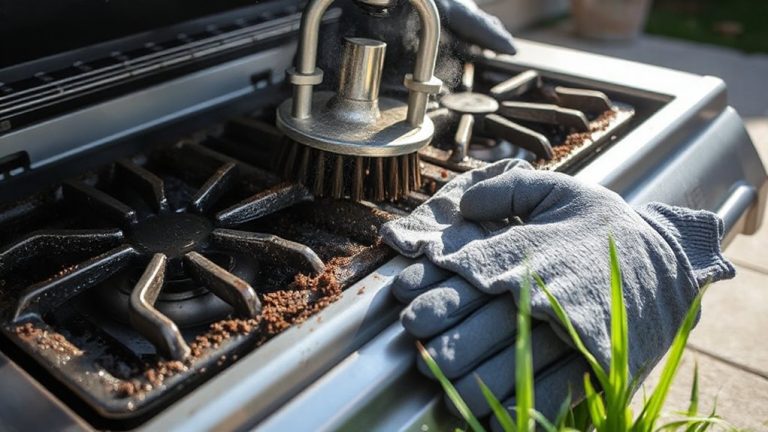
A well-maintained pellet grill starts with the right tools, and choosing them wisely makes all the difference in both cleaning efficiency and long-term performance. You’ll need a sturdy grill brush with brass or stainless steel bristles-these clean effectively without damaging grates or leaving harmful residue. Stiff nylon brushes are a gentler alternative for frequent touch-ups. For stubborn grease on flat surfaces, non-abrasive cleaning pads work best; they lift grime without scratching porcelain or painted finishes. Avoid steel wool or harsh scrubbers that can degrade protective coatings over time. A putty knife helps dislodge carbonized gunk from corners, while a shop vacuum tackles ash and debris in the firepot and grease tray. Heat-resistant gloves keep your hands safe during deep cleans. Using the right combination of tools-like a durable grill brush paired with versatile cleaning pads-not only saves time but also preserves your grill’s integrity, ensuring consistent heat, better flavor, and years of reliable service.
Scrub the Grates and Remove Grease Buildup
You’ve gathered the right tools, so now it’s time to put them to work on the grates where grease and carbon buildup accumulate most. Start by scrubbing each grate with a brass-bristle brush to avoid damaging the metal, especially if you’ve invested in quality grate seasoning. That seasoned layer protects against rust and improves non-stick performance, so preserve it where possible. For caked-on residue, use a putty knife or degreaser, then wipe with a microfiber cloth. Avoid harsh abrasives that strip seasoning. Once clean, inspect the grates for warping or excessive wear-replacement might be needed if efficiency drops. Don’t toss the grease; instead, practice grease recycling. Let it cool, skim impurities, and repurpose for fire starters or animal feed. Proper maintenance not only prolongs grill life but also guarantees better heat transfer and flavor control during cookouts. For best results, choose tools specifically designed for high-heat environments from a list of the best grill cleaning tools.
Clean the Firepot, Burn Tube, and Smokestack
How often do you check the heart of your pellet grill-the firepot, burn tube, and smokestack-where combustion and flavor truly begin? These components deserve attention because grease and ash buildup here can hinder performance. Start by removing the burn tube and clearing out debris that restricts airflow. Inspect the firepot for cracks or firepot corrosion, which weaken structural integrity and disrupt even burning. Replace it if you notice significant pitting or thinning. Clean the smokestack thoroughly, guaranteeing no obstructions affect smoke release. Check smokestack alignment-it must sit straight to maintain proper draft and prevent smoke leakage. Misalignment can reduce efficiency and alter cooking temperatures. Use a brush and shop vacuum for tight spots, but avoid water near electronics. Maintaining these parts not only improves grill longevity but guarantees consistent heat and clean smoke.
Stop Grease Before It Builds Up: Simple Habits
While most grillers focus on cleaning after the fact, the real advantage lies in preventing grease accumulation before it starts-especially since a neglected pellet grill can quickly develop performance issues from excessive drippage and carbonized residue. You can substantially reduce buildup by adopting a few simple habits. Letting the grill run hot for 10–15 minutes after cooking burns off excess grease, a tactic backed by both design and practical use. Using a drip pan liner makes post-cook cleanup faster and more effective. Establishing a consistent cleaning schedule isn’t just helpful-it’s essential preventive maintenance. Wiping down the grates and inspecting the grease tray after each use takes little time but pays off in flavor and longevity. These routines protect internal components and promote even heating. Over time, this proactive approach outperforms sporadic deep cleans, keeping your pellet grill running efficiently and minimizing the risk of flare-ups or flavor contamination. A clean grill surface also enhances the effectiveness of a high-quality stainless steel grill cleaner, ensuring long-term protection against corrosion and staining.
Replace These 3 Worn Parts to Avoid Grease Fires
Because heat, grease, and repeated use take a toll on critical components, replacing three key parts before they degrade fully can drastically reduce the risk of grease fires in your pellet grill. Staying on top of your replacement schedule isn’t just about performance-it’s an essential part of fire safety. Worn parts can lead to poor grease management and hot spots, increasing the chance of flare-ups.
| Part | Signs of Wear | Replacement Interval |
|---|---|---|
| Heat baffle | Warping, cracks | Every 2–3 years |
| Drip tray | Heavy residue, warping | Annually |
| Igniter | Slow startup, misfires | Every 1–2 years |
Inspect these regularly and replace them proactively. A well-maintained grill runs more efficiently and substantially lowers fire risks, keeping your outdoor cooking safe and enjoyable.
On a final note
You’ve cleaned the grates, cleared the firepot, and checked the burn tube-now your pellet grill runs hotter and more evenly. Regular maintenance prevents dangerous grease buildup and guarantees cleaner smoke for better flavor. Replacing worn parts like the grease tray or drip shield isn’t just smart-it’s essential for safety. A well-maintained grill delivers consistent performance, whether you’re searing or smoking. Staying on top of cleaning saves money and extends your grill’s life.